

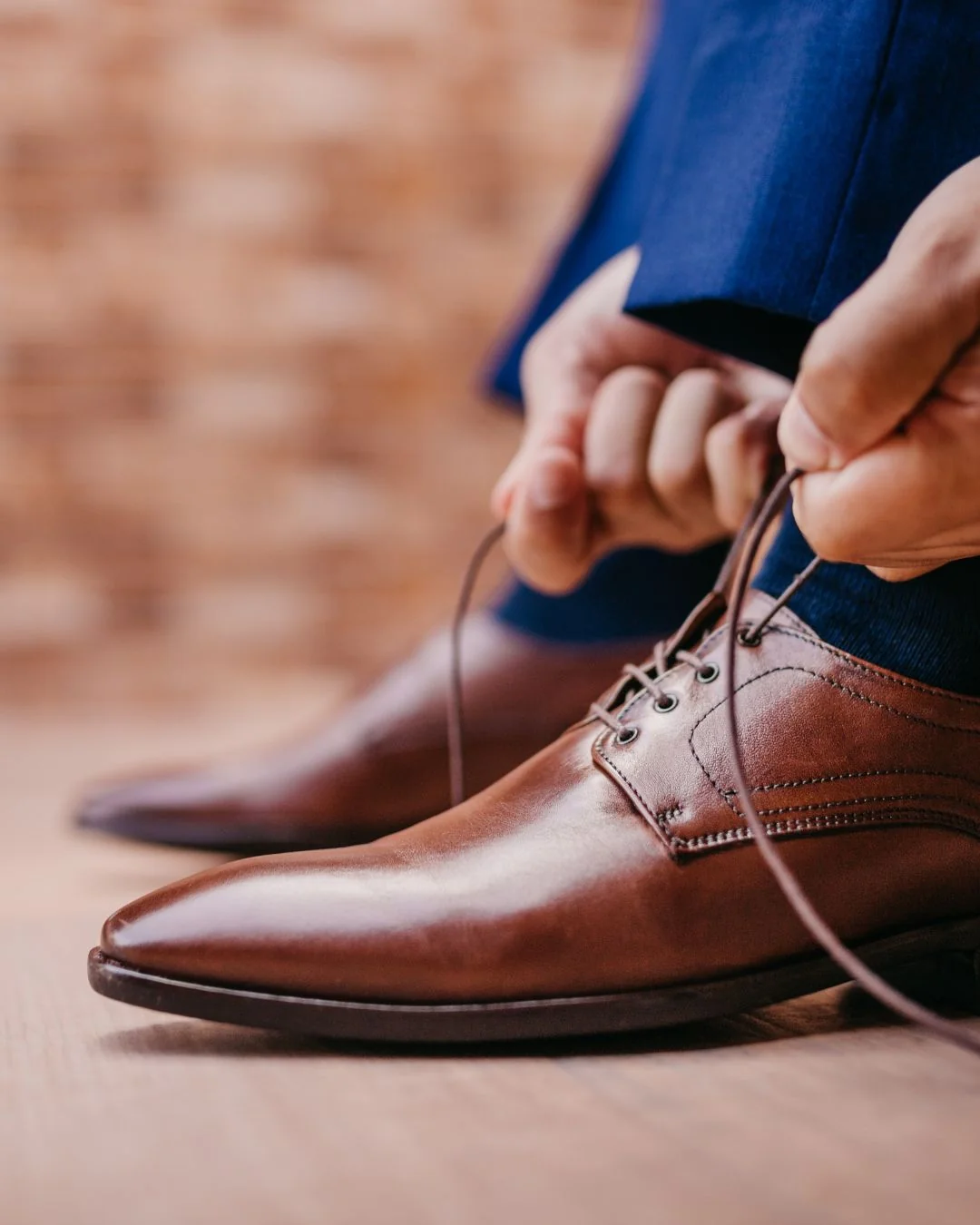
Painful new shoes often need a slower introduction rather than a full day of wear straight from the box. Stiff uppers, firm heel counters, and unfamiliar pressure points can irritate your feet before the materials have had time to soften.
A gradual break-in routine helps you identify trouble early while giving the shoe a chance to adapt without turning minor rubbing into blisters.
Why New Shoes Can Hurt at First
New footwear may feel different because the materials haven’t flexed repeatedly around your walking pattern. Leather can be firm, synthetic panels may resist bending, and new insoles sometimes feel less forgiving than expected.
The shoe’s shape matters too. Breaking in can improve mild stiffness, but it can’t correct a shoe that’s fundamentally too short, narrow, or poorly shaped for your foot.
Know the Difference Between Stiff and Wrong
A slightly firm heel or upper may become more comfortable after several short wears. Sharp pressure, numbness, cramped toes, or significant rubbing suggests a fit problem instead.
| New-Shoe Issue | Likely Situation | Better Response |
|---|---|---|
| Mild upper stiffness | Material needs flexing | Wear briefly indoors |
| Light heel rubbing | Fit needs checking | Use socks or heel padding |
| Cramped toes | Shoe may be too small | Try another size or shape |
| Foot sliding | Shoe may be too loose | Adjust fit or use inserts |
Start With Short Indoor Wear
Wear new shoes around the house for 20 to 30 minutes before taking them outside for hours. Indoor testing lets you notice hot spots while the shoes are still clean enough to exchange if the fit clearly isn’t right.
Your footwear also needs to work with the rest of what you wear. Browsing broader everyday trend perspectives can help you think about style separately from fit, so appearance doesn’t become the only reason you tolerate uncomfortable shoes.
Increase wear time only if your feet feel normal afterward. Mild stiffness is one thing; lingering soreness is a sign to slow down.
Use Socks and Simple Padding Strategically
Socks can reduce friction while a shoe is new. Choose a thickness that still leaves enough toe space, since an overly thick sock can make an already snug shoe worse.
Small heel cushions or blister pads may protect areas that rub during early wears. Discussions around layered personal style can be useful for general outfit inspiration, but footwear comfort should still be judged by pressure, movement, and fit rather than appearance.
Avoid packing a shoe with several pads at once. Too much padding can change foot position and create a new pressure point somewhere else.
Let the Shoe Flex Naturally
Normal walking is usually the safest way to soften everyday footwear. Bend your feet naturally rather than aggressively folding, soaking, heating, or forcing the shoe into a shape it wasn’t designed to take.
If you enjoy coordinating footwear with more traditional or timeless clothing, wardrobe heritage ideas may provide general style context. Still, no styling advantage makes a badly fitting shoe worth repeated discomfort.
Alternating new shoes with a comfortable pair can also help. Your feet get a break while the new pair receives gradual, controlled wear.
Where Break-In Advice Goes Wrong
One common mistake is assuming every painful shoe simply needs more time. A break-in period can soften materials, but it won’t create missing toe room or correct a heel that repeatedly slips.
People also sometimes endure severe rubbing because they don’t want to waste a purchase. That usually creates a worse experience. If discomfort increases instead of improving, reconsider the size, width, or shoe design before wearing it again.
Frequently Asked Questions
How long should I wear new shoes the first time?
Start with a short indoor session and see how your feet respond. If there is no significant rubbing, pressure, or soreness, gradually extend wear rather than jumping directly to a full day.
Can thick socks help break in shoes?
They can reduce friction or gently encourage some materials to relax, but only when the shoe still has adequate space. Thick socks shouldn’t be used to force a painfully tight shoe.
Should new shoes hurt before they become comfortable?
They may feel firm or unfamiliar, but strong pain isn’t something you need to accept. Persistent pinching, numbness, or severe rubbing usually points to a fit issue rather than normal break-in.
Build Comfort Before Full-Day Wear
Treat new shoes like something your feet need time to evaluate. Start indoors, increase wear gradually, and respond quickly to rubbing instead of pushing through it. If the shoe remains painful after several controlled attempts, changing the size, width, or style is usually smarter than trying to force the fit.


Leave a Reply