

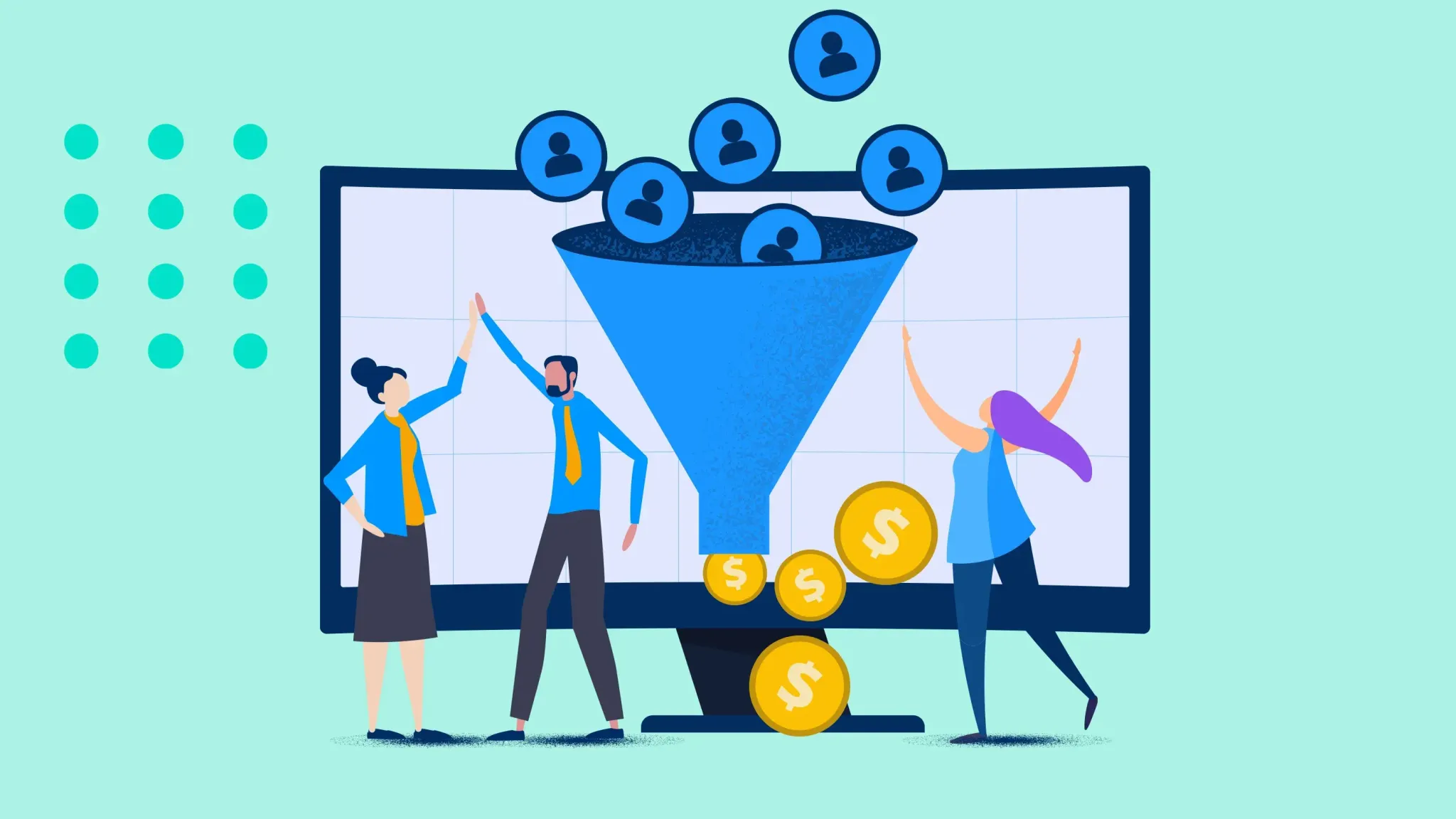
Low sales conversion usually means interested prospects are reaching your offer but finding too many reasons not to buy. The problem may sit in pricing, positioning, credibility, or the buying process itself.
Improvement starts by finding where confidence drops. Instead of pushing harder for sales, strengthen the reasons a qualified buyer should feel comfortable moving forward.
Find Where Buyers Begin to Hesitate
Conversion problems often appear after a prospect has already shown interest. Someone may visit a product page, request information, attend a demonstration, or speak with a salesperson and still leave without committing.
Look closely at the point where momentum disappears. A high number of inquiries with few purchases can suggest weak offer clarity. Strong proposal acceptance but poor checkout completion may point to unnecessary buying friction.
The pattern matters more than one lost sale.
Strengthen the Offer Before Increasing Promotion
An offer should quickly explain the problem being solved, the result the buyer can expect, and what makes the purchase worthwhile. Adding more advertising rarely fixes a confusing value proposition.
Teams reviewing broader sales performance insights can compare outside ideas with their own conversion data, but actual customer behavior should guide changes. Ask recent buyers why they chose you and lost prospects what made them hesitate.
Make the Value Easy to Understand
Avoid forcing customers to translate features into benefits themselves. A software company might replace “advanced automated reporting” with a clearer outcome such as “create weekly performance reports without manually combining spreadsheets.”
Specific outcomes make evaluation easier.
Build Trust Before Asking for Commitment
Customers take on risk whenever they purchase from an unfamiliar company. That risk becomes larger when prices are high, contracts are long, or the solution affects important business operations.
Useful growth planning resources can provide general perspective while you examine which trust signals matter in your own sales process. Clear policies, accurate product information, realistic promises, transparent pricing, and relevant proof can reduce uncertainty.
Trust doesn’t require exaggerated testimonials or bold guarantees. Often, simple clarity works better.
Remove Friction From the Buying Decision
A buyer who wants the product can still abandon the process if purchasing becomes difficult. Long forms, unclear next steps, hidden charges, slow responses, and unnecessary approval stages all create resistance.
Broader margin improvement ideas may help frame commercial decisions, but removing friction doesn’t mean discounting automatically. Better instructions, simpler packages, faster proposals, and clearer payment expectations can improve conversion without sacrificing margin.
| Conversion Issue | Possible Cause | Better Response |
|---|---|---|
| Many inquiries, few orders | Weak qualification | Target stronger-fit buyers |
| Proposals stall | Unclear value | Clarify outcomes and terms |
| Checkout abandonment | Buying friction | Simplify required steps |
| Price objections | Weak value perception | Strengthen offer positioning |
Common Fixes That Often Backfire
Lowering prices is one of the fastest reactions to weak conversion, but it can create a new problem. If customers are hesitating because they don’t understand the value, a discount may reduce revenue without solving the original concern.
More aggressive follow-up can fail for the same reason. Repeating the same pitch doesn’t create confidence. Before adding pressure, determine whether the buyer lacks information, trust, urgency, budget, authority, or a genuine need.
Frequently Asked Questions
What is a healthy sales conversion rate?
There is no universal rate because conversion varies by industry, price, sales cycle, traffic source, and how a company defines a qualified opportunity. Compare performance against your own historical results and similar sales channels.
Can better pricing improve sales conversion?
It can, but pricing is only one factor. Clearer value, stronger trust, better targeting, faster responses, and an easier buying process may improve conversion without requiring a lower price.
Why do interested prospects still fail to buy?
Interest isn’t the same as purchase readiness. Prospects may lack budget, authority, confidence, urgency, or enough information to justify the decision. Identifying the specific barrier makes follow-up more useful.
Turn Buyer Hesitation Into Better Decisions
Treat low conversion as a diagnostic signal rather than a reason to push harder. Review where prospects stop, improve the offer, strengthen trust, and remove avoidable purchasing obstacles.
Start with one measurable stage of the funnel. Fix the clearest source of hesitation, watch what changes, and use the result to decide where improvement should happen next.














Leave a Reply