Home Blog Page 8

Laptop Desk vs. Laptop Table – Which One Should You Buy?

0

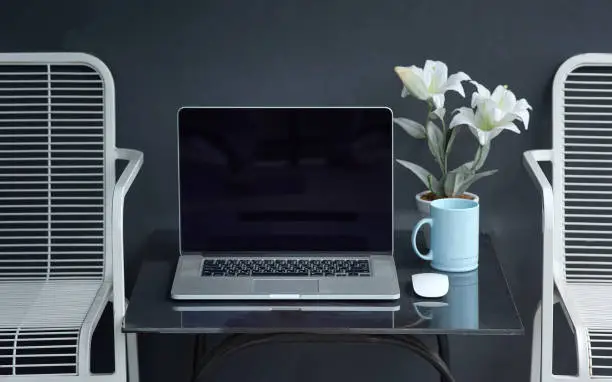
When setting up a workspace at home or on the go, many people get confused between a laptop desk and a laptop table. Though they sound similar, they serve different purposes and are designed for different work environments. Understanding the difference between the two will help you choose the right setup for comfort, efficiency, and productivity.

What Is a Laptop Desk?

A laptop desk is a smaller, more compact version of a traditional office desk, specifically built for laptop use. These desks often include features like drawers, shelves, or built-in cable organizers. Laptop desks are designed for people who need a dedicated and ergonomic working environment for long hours.

These desks usually stay in one place and are ideal for those with a home office or a specific area reserved for work. While they might take up more space than portable tables, laptop desks are better suited for extended use, offering greater stability and comfort.

What Is a Laptop Table?

A laptop table, on the other hand, is a more lightweight and portable piece of furniture. Designed for flexibility and mobility, laptop tables can be used on a bed, sofa, or even the floor. Most laptop tables are foldable and compact, making them easy to store and carry.

They are perfect for people who like to work in different spots throughout the day or have limited space. Some models include adjustable heights, anti-slip surfaces, and ventilation holes to prevent laptop overheating. Whether you’re a student, a freelancer, or someone who prefers working in bed, a laptop table is a convenient choice.

Pros and Cons of Each

A laptop desk provides more stability, better organization, and a professional look for your workspace. It supports longer work hours with proper posture when paired with a good chair. However, it requires more space and isn’t designed to be moved frequently.

Laptop tables are best for short-term or mobile work sessions. They are easy to move and store, which makes them ideal for people working in small apartments, shared rooms, or while traveling. But they often lack storage, and extended use without proper seating can lead to discomfort.

Which One Is Right for Your Setup?

If you work full-time from home or need a more structured and ergonomic workstation, a laptop desk is a solid investment. It gives you the stability and comfort needed for long hours of work and helps keep your workspace tidy.

If your work setup changes frequently or you prefer working from various spots like the couch, bed, or balcony, a laptop table will better suit your needs. It offers mobility and flexibility without taking up much space.

Choosing the right option depends on your work style, available space, and budget. For someone who travels often or lives in a compact area, a portable and adjustable laptop table is the smarter choice. For those needing long-term comfort and focus, a laptop desk offers better support and organization.

Real-Life Scenarios

A remote employee working from a dedicated home office will likely benefit from a laptop desk. It allows for a proper monitor setup, space for accessories, and a tidy environment for focused work.

Meanwhile, a student in a small dorm or a freelancer who enjoys changing their work location during the day will prefer a laptop table. It’s easy to move around, store after use, and works well in multi-purpose living areas.

Additional Tips Before You Buy

When buying either a laptop desk or a laptop table, make sure to check the surface size to fit your laptop and accessories. Look for features like adjustable height, ventilation slots, or built-in holders that can improve your comfort.

Make sure the build quality is solid enough to support your device safely. If you’re buying a foldable laptop table, check that the legs lock properly to avoid wobbles. For laptop desks, ensure they have enough legroom and storage if needed.

Best Use Cases for Laptop Tables

Laptop tables are great for:

  • Working from bed or the sofa
  • Traveling professionals who need compact gear
  • Students with limited space
  • Casual browsing or light work in flexible spots

They provide a quick setup and are easy to pack away after use. Many modern laptop tables also offer stylish designs that fit into contemporary home décor.

Best Use Cases for Laptop Desks

Laptop desks are suitable for:

  • Full-time remote workers
  • People with a dedicated workroom or office
  • Those who need more surface space and storage
  • Long-duration use that requires ergonomic support

A well-structured desk helps maintain posture, reduces physical strain, and provides an environment focused on productivity.

Final Thoughts

Choosing between a laptop desk and a laptop table comes down to how, where, and how long you work on your laptop each day. A laptop desk offers the advantage of a fixed, structured, and ergonomic workspace, ideal for long-term and intensive use. A laptop table provides mobility and flexibility, making it suitable for short sessions or work in various locations.

If you have the space and need a permanent workstation, go with a laptop desk. If you’re after portability, comfort, and convenience, especially for casual or light work, a good quality laptop table is your best bet.

Both options serve specific needs, so consider your routine, habits, and available space before making your purchase. Investing in the right setup can significantly improve your productivity, comfort, and overall work-life balance.

The Marketer’s Guide to Acrylic Standees: A Small Tool with a Big Impact:

0

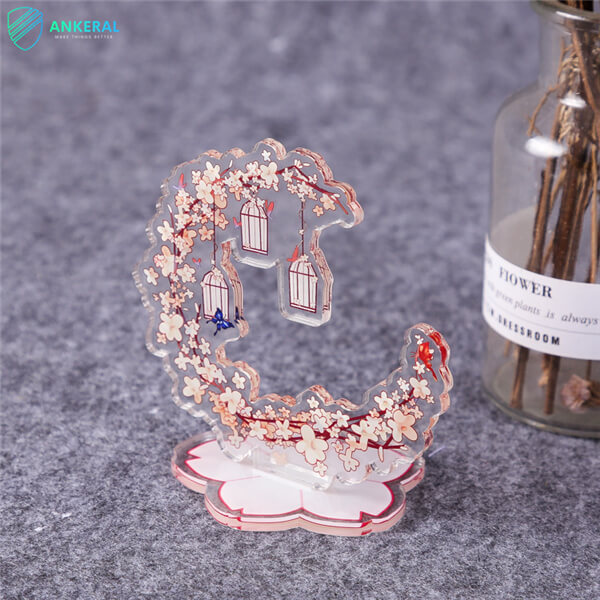
In an era saturated with digital noise, the battle for consumer attention is fought on every screen and in every algorithm. Yet, some of the most effective marketing tools are physical, tangible, and surprisingly simple. The acrylic standee, a once-niche product for collectors, has emerged as a versatile and powerful asset for modern marketers. Far from being a mere decorative item, a well-designed acrylic standee is a strategic tool that can drive sales, enhance brand identity, and create lasting connections with consumers. Its unique blend of aesthetic appeal, durability, and customization makes it an indispensable component of any holistic marketing strategy.

Beyond the Digital Banner: The Power of Physical Presence:

While digital banners and social media ads are essential for reach, they often lack the physical impact needed to cut through the clutter. An acrylic standee, by contrast, occupies physical space, creating an undeniable presence in a retail environment, at a trade show, or on a desk. This tactile engagement is crucial. When a customer physically interacts with a brand’s representation, it forges a stronger, more memorable connection than a fleeting digital impression. The standee acts as a silent brand ambassador, a three-dimensional representation of a company’s message that can be admired, handled, and kept. This physical longevity turns a temporary marketing moment into a long-term brand relationship.

Point-of-Sale (POS) Mastery: Driving Impulse Buys:

One of the most effective applications of acrylic standees is at the point of sale. Strategic placement on a checkout counter, a product display shelf, or a window front can significantly influence purchasing decisions. In retail, these standees can:

  • Highlight New Products: A standee featuring a new product can immediately grab a customer’s attention, drawing their focus from a sea of other options.
  • Announce Promotions: Displaying “Limited Time Offer” or “Buy One, Get One Free” on a vibrant standee can create a sense of urgency and encourage impulse purchases.
  • Facilitate Digital Engagement: Standees with a prominent QR code can link customers directly to an online store, a social media contest, or a product information video, seamlessly bridging the gap between the physical and digital shopping experience.

The standee’s sleek, high-quality finish suggests a premium product, lending an air of professionalism and trustworthiness to the brand it represents.

Brand Identity at Events: Standing Out in the Crowd

At trade shows, conventions, and other industry events, competition for attention is fierce. A custom-branded acrylic standee can be a powerful tool for making a lasting impression. While large banners and booths establish a company’s presence, smaller standees can be used to:

  • Showcase Key Products or Services: Place standees featuring product visuals and key features on tables or at strategic points in a booth to provide a quick, professional overview.
  • Enhance Booth Aesthetics: Use a series of standees to create a visually appealing narrative or to add a professional touch to a display. Their clear, polished look adds a modern flair that stands out from typical paper or cardboard signage.
  • Serve as Memorable Giveaways: A branded standee can be an excellent take-home item. Attendees who receive a standee will place it on their office desk, turning a one-time encounter into a daily brand exposure opportunity.

The portable and durable nature of acrylic standees also makes them ideal for events that require frequent travel and setup.

Corporate Culture & Gifting: A Lasting Impression

Beyond direct marketing, acrylic standees are finding a place in corporate environments. They are perfect for:

  • Office Decor: Displaying company values, mission statements, or key milestones in a sleek, elegant way.
  • Employee Recognition: Creating personalized awards or plaques for top performers, offering a more modern and aesthetically pleasing alternative to traditional trophies.
  • Client Gifts: A custom-engraved standee with a client’s logo or a shared memory can be a thoughtful and sophisticated corporate gift that solidifies business relationships.

This use of standees reinforces brand identity from within and creates a positive, professional image for both employees and clients.

Creative Campaigns & Merchandise: Engaging the Fandom:

For brands with a strong fan base—from video games and anime to popular YouTube channels—acrylic standees are a merchandising staple. Fans love to collect and display standees of their favorite characters or personalities. By offering high-quality, exclusive standees as part of a product launch or a limited-edition collection, companies can:

  • Deepen Fan Engagement: Turn digital characters into physical objects that fans can own and cherish.
  • Create Scarcity and Value: Limited-run standees become valuable collectibles, encouraging fans to purchase them as soon as they are available.
  • Generate User-Generated Content: Fans often share photos of their standee collections online, providing free and authentic marketing for the brand.

Conclusion:

The acrylic standee is a powerful tool that every marketer should consider. Its ability to create a lasting physical presence, drive point-of-sale engagement, enhance brand presence at events, and build strong fan communities makes it a versatile and indispensable asset in today’s marketing landscape. By embracing this simple yet impactful display medium, businesses can cut through the digital noise and connect with their audience in a way that truly sticks.

Why Commercial Window Tinting Matters for Business Interiors

0

A workspace should inspire productivity, comfort, and focus. The environment inside a commercial building plays a massive role in how people feel and perform throughout the day. While layout and lighting are often discussed, there’s another silent contributor to a better business interior—window tinting. It’s more than just a way to block the sun. It’s a smart investment with lasting benefits.

Enhancing Interior Comfort Through Sun Control

Direct sunlight pouring through large windows may look beautiful, but it often brings discomfort. Glare on screens, overheated rooms, and sun-faded furnishings all interfere with daily business operations.

By reducing heat and glare, tinted windows help stabilize interior temperatures. Employees and clients stay more comfortable. Meetings feel more relaxed. Customer-facing areas remain cool and pleasant, even during peak sunlight hours. It’s a simple change that shifts the atmosphere in a big way.

Improving Workplace Efficiency with Commercial Window Tinting

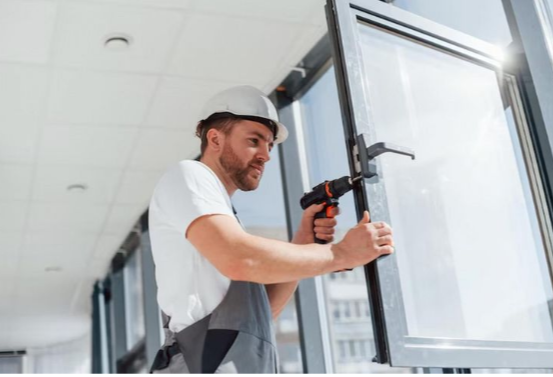
Commercial window tinting refers to applying a thin film to interior-facing glass in business environments. This specially engineered film reduces solar heat gain, cuts glare, and even blocks harmful UV rays.

That might sound technical, but the result is practical. Office equipment runs more efficiently. Air conditioners don’t work overtime to cool down sun-drenched spaces. Less glare on screens means fewer distractions and less eye strain. These gains in comfort and efficiency lead to higher productivity and lower energy bills. That’s why many modern workplaces are embracing commercial window tinting.

Strengthening Security with Tinted Glass Solutions

Security isn’t always about alarms and locks. Sometimes, it starts with visibility. Tinted windows reduce the ability of outsiders to peer into your office space. Sensitive materials, equipment, and even people are less exposed to prying eyes.

In high-traffic areas, or locations with valuable assets, that extra privacy is vital. Certain tinting films also hold glass together if it shatters, adding a safety layer against break-ins or natural damage. 

Energy Savings and Environmental Responsibility with Commercial Window Tinting

Commercial window tinting doesn’t just help your business stay cool—it supports energy-saving goals, too. Reducing heat intrusion cuts the need for constant cooling. That directly impacts your building’s energy consumption.

For businesses focused on sustainability, tinting is a step toward greener operations. It reduces your carbon footprint without compromising aesthetics. Some films are even designed to reflect solar energy efficiently, keeping interiors naturally cooler without blocking the view. 

Boosting Interior Aesthetics and Branding

Visual consistency matters in commercial interiors. Tinted windows provide a sleek, modern look that enhances your building’s design. They create clean lines and balance the lighting inside, eliminating harsh contrasts between bright windows and shaded corners.

For retail environments, restaurant spaces, or creative agencies, tinting also helps protect merchandise, artwork, or décor from UV damage. That keeps branding materials, displays, and fabrics looking fresh and vibrant for longer. 

Customizing Privacy Without Blocking the Light

Many workplaces need privacy, but not darkness. Unlike blinds or curtains, window tints offer selective light filtering. You can maintain a bright and open feel while still limiting external visibility.

In conference rooms, healthcare facilities, and client meeting areas, that level of controlled privacy makes conversations feel more secure and professional. It lets the outside world in—just enough to maintain openness without compromising discretion.

Conclusion

Commercial window tinting is more than a surface upgrade—it’s a strategic enhancement to your business interior. From energy savings and employee comfort to privacy and style, its benefits reach far beyond the glass. Whether you manage an office, a clinic, or a customer-facing space, tinting can redefine the feel of your workplace.

Essential Services to Accelerate Your Business Growth and Increase Brand Visibility

0
Essential Services to Accelerate Your Business Growth

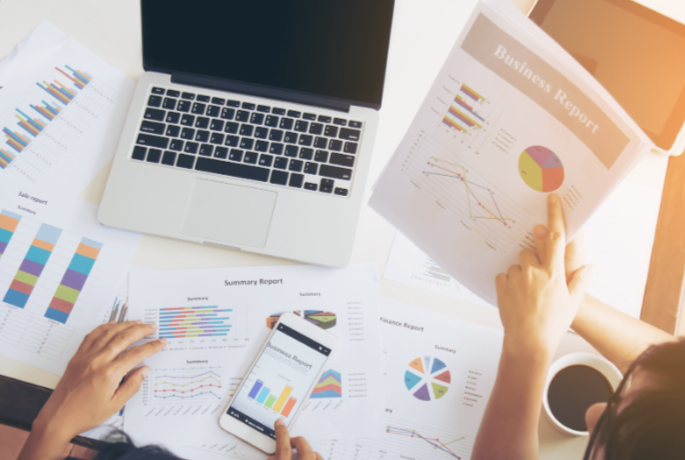
In today’s competitive marketplace, businesses must leverage a variety of services to boost growth and enhance their brand presence. Whether you’re a startup or an established company, the right professional services can dramatically improve your visibility and customer engagement. Here’s a look at some essential services that can accelerate your business success.

Web Design Services: Crafting Your Digital Presence

A strong online presence is fundamental in attracting and retaining customers. Professional web design services ensure your website is not only visually appealing but also user-friendly and optimized for search engines. A well-designed website acts as your digital storefront, providing visitors with a seamless experience that encourages them to explore your products or services. Investing in expert web design service means your business stands out with a responsive layout, fast loading times, and clear navigation, all of which contribute to higher conversion rates.

Logo Design Services: Creating a Memorable Brand Identity

Your logo is often the first impression potential customers have of your brand. Engaging logo design services help craft a unique and memorable logo that reflects your business values and vision. A professionally designed logo fosters brand recognition and trust, serving as the cornerstone for all your marketing materials, from business cards to social media profiles. A thoughtful logo design service can ensure consistency and professionalism that resonates across all platforms.

Digital Marketing Services: Reaching the Right Audience

Beyond visuals, reaching your target market requires a strategic approach. Digital marketing services encompass a range of tools including search engine optimization (SEO), pay-per-click advertising (PPC), email marketing, and social media management. These services help your business appear in front of potential customers actively searching for your products or services. Effective digital marketing increases your brand’s visibility online, drives qualified traffic to your website, and ultimately generates more sales.

Content Creation Services: Engaging and Educating Your Audience

Content is king in the digital age. High-quality content creation services produce blog posts, articles, videos, and infographics that educate your audience while building your authority in your industry. Well-crafted content attracts organic traffic and keeps visitors engaged, encouraging them to return and convert into loyal customers. Additionally, consistent content marketing supports SEO efforts by providing relevant keywords and fresh material for search engines to index.

Social Media Management: Building Relationships and Community

Social media platforms provide powerful channels for businesses to interact directly with their audience. Social media management services handle the creation, scheduling, and monitoring of posts on platforms like Facebook, Instagram, LinkedIn, and Twitter. This helps maintain an active online presence, respond promptly to customer inquiries, and cultivate a community around your brand. Consistent engagement through social media increases brand loyalty and broadens your reach.

Branding and Identity Consulting: Defining Your Unique Voice

Beyond logos and visuals, branding consulting services help define your company’s mission, values, and unique selling proposition. These experts work with you to develop a coherent brand voice and messaging strategy that resonates with your target market. A clear and consistent brand identity builds customer trust and differentiates your business from competitors, setting the stage for long-term success.

Customer Relationship Management (CRM) Solutions: Enhancing Client Interaction

Effective management of customer data and interactions is key to sustainable growth. CRM solutions help businesses organize customer information, track communications, and automate marketing efforts. Implementing CRM services ensures personalized experiences that enhance customer satisfaction and retention. This leads to repeat business and valuable word-of-mouth referrals.

Conclusion

Accelerating business growth and boosting brand visibility require a comprehensive approach that combines design, marketing, content, and customer engagement strategies. Investing in professional web design service and logo design service lays a solid foundation, while digital marketing, content creation, social media management, and branding consulting amplify your presence. Complementing these with CRM solutions ensures lasting customer relationships. By leveraging these essential services, businesses can unlock new growth opportunities and establish a strong, recognizable brand in their industry.

Cosmic Choreography: The Critical Role of Sample Transfer Arms in Aerospace & Space Exploration

0
Sample Transfer Arms in Aerospace & Space Exploration

The vast frontier of space offers immense discovery opportunities but poses extreme challenges. Space endeavors, from orbital assembly to collecting distant geological treasures, demand tools of unfailing precision and reliability in hostile environments like vacuum and extreme temperatures, often with hazardous materials. 

Here, the sample transfer arm is an unsung hero. More than just robotic extensions, these specialized manipulators are indispensable for critical tasks. 

They act as intelligent hands, bringing extraterrestrial samples to us and building infrastructure for humanity’s future in space. Their role is fundamental to scientific objectives, mission success, and safeguarding precious resources.

1. Extraterrestrial Sample Collection and Containment

One of the most thrilling applications of a Sample Transfer Arm is in the collection of extraterrestrial materials. Missions like Mars Sample Return rely on these sophisticated robotic arms to delicately scoop up Martian soil and rock cores. 

Beyond mere collection, the arm is instrumental in transferring these precious samples into hermetically sealed containment vessels, crucial for preventing contamination (both of the samples by Earth microbes and vice versa) and preserving their scientific integrity for analysis back on Earth.

2. In-Situ Analysis and Instrument Feeding

On planetary landers and rovers, space-grade sample transfer arms are used to deliver collected material to on-board scientific instruments for in-situ analysis. 

This involves precisely placing a soil sample into a spectrometer, or positioning a rock fragment under a microscope. 

The arm’s ability to perform these intricate maneuvers in harsh environments, often with extreme temperature swings and radiation, is vital for providing immediate scientific feedback and guiding mission decisions without the need to return samples to Earth.

3. Assembly and Maintenance in Space

Beyond scientific collection, sample transfer arms, or more generally robotic arms designed for fine manipulation, play a crucial role in the assembly and maintenance of satellites, space telescopes, and even future orbital habitats. 

These arms can precisely handle delicate components, connect intricate wiring, and perform repairs, significantly reducing the need for risky and time-consuming extravehicular activities (EVAs) by astronauts. 

The precision of a sample transfer arm here is critical for ensuring the structural integrity and functionality of space-based assets.

4. Handling Hazardous or Contaminated Materials

In environments like lunar regolith or Martian soil, potential hazards such as abrasive dust, reactive chemicals, or even hypothetical biohazards exist. A sample transfer arm provides a safe, remote interface for interacting with these materials. 

It ensures that valuable samples are handled without direct human exposure, protecting both astronauts and the integrity of the collected material from Earth-based contamination. This protective barrier is paramount for both crew safety and scientific validity.

5. Contamination Control for Pristine Environments

For highly sensitive instruments or experiments on spacecraft, maintaining an ultra-clean, often vacuum, environment is essential. 

A sample transfer arm designed for such tasks facilitates the movement of components or samples within these sealed habitats without introducing particles or gasses that could compromise the delicate conditions. 

This meticulous contamination control is vital for the longevity and accurate operation of precision space-borne equipment.

.

Medarchitect: A Trusted Name in Medical Simulation Products

0
Medical Simulation Products

In the ever-evolving field of medical education, hands-on practice is crucial for developing the skills needed to provide excellent patient care. This is where high-quality simulation products become invaluable tools. Among the leaders in this industry is Medarchitect, a brand renowned for its realistic and durable training materials, including comprehensive suture practice kits and highly realistic suture pads and models.

In this article, we explore why Medarchitect has earned the trust of medical professionals and educators worldwide.

Why Simulation Matters in Medical Training

Simulation allows students and professionals to practice procedures repeatedly in a safe environment without risk to patients. For skills like suturing, realistic training tools are vital for mastering technique, precision, and confidence.

High-fidelity simulation products like suture pads and models provide tactile feedback that mimics real human tissue, making them essential for effective surgical training.

Medarchitect’s Commitment to Quality and Realism

What sets Medarchitect apart in the crowded market of medical simulation products is their unwavering commitment to quality. Their suture practice kits and suture pads and models are designed with meticulous attention to detail to replicate the feel and structure of human skin.

Key Features of Medarchitect Products:

  • Multi-layered Silicone Construction: Medarchitect pads feature layers that simulate the epidermis, dermis, and subcutaneous tissues, providing realistic resistance and texture.
  • Variety of Wound Types: Their models include multiple wound patterns, allowing learners to practice a wide range of suturing techniques.
  • Durability: Made from premium materials, these pads withstand repeated use, making them a cost-effective choice for medical schools and individual learners alike.
  • Complete Practice Kits: Medarchitect offers comprehensive kits that come equipped with surgical needles, thread, forceps, scissors, and instructional materials — everything needed for a full training experience.

Why Medical Educators and Students Prefer Medarchitect

Medical schools, hospitals, and training centers trust Medarchitect products because they:

  • Enhance learning outcomes with realistic practice scenarios.
  • Support learners at all levels, from beginners to advanced surgeons.
  • Provide long-lasting training tools that offer excellent value.
  • Combine ease of use with professional-grade quality, facilitating effective self-directed learning.

Beyond Suturing: Medarchitect’s Broader Impact

While known primarily for their suture pads and models, Medarchitect also develops a range of other medical simulation tools that support various clinical skills. Their focus on innovation and quality has made them a preferred partner for institutions aiming to provide cutting-edge training.

Conclusion

When it comes to building confidence and competence in suturing and other clinical procedures, using high-quality simulation products is non-negotiable. Medarchitect stands out as a trusted brand delivering realistic, durable, and comprehensive suture practice kits and suture pads and models that elevate medical training.

Whether you are a medical student, educator, or healthcare professional, investing in Medarchitect’s simulation products means choosing tools that truly prepare you for real-world clinical success.

Vetti Buba Pet Emergency Clinic – What to Do If Your Pet Needs Urgent Help Abroad

0

Travelling with pets can be an amazing part of your life abroad – until something goes wrong. Whether it’s a sudden illness, an accident, or an allergic reaction, pet emergencies can strike when you least expect them. If you’re in Croatia and urgently searching for a Zagreb pet emergency clinic, here’s what you need to know.

Recognising When It’s Time to Seek Emergency Help

Pets can’t tell us when something is wrong – but their bodies will. Some of the most common signs of an emergency include:

  • Severe vomiting or diarrhoea, especially with blood
  • Sudden difficulty breathing, coughing or choking
  • Collapse, seizures or unresponsiveness
  • Visible trauma, open wounds or broken bones
  • Ingestion of foreign objects or toxins
  • Inability to urinate or severe bloating

If your dog or cat shows any of these symptoms, you shouldn’t wait. Immediate attention from a qualified veterinary clinic in Zagreb is essential to avoid serious complications.

Where to Find Help: 24/7 Veterinary Support in Zagreb

One of the leading options for both locals and international pet owners is Vetti Buba Veterinary Clinic, a modern, fully equipped Zagreb pet emergency clinic with 24/7 availability. Their English-speaking staff and advanced diagnostic equipment make them a reliable choice for urgent veterinary care while travelling or living in Croatia.

Vetti Buba offers:

  • 24-hour emergency care, 365 days a year
  • Advanced imaging: CT scans, digital X-rays, ultrasound
  • Surgery, neurology, orthopaedics, cardiology
  • Internal medicine and dental care
  • Friendly, experienced vets who work with tourists and expats

With a reputation for professionalism and rapid response, the clinic ensures your pet receives comprehensive care without delays.

Preventing Pet Emergencies While Abroad

Planning ahead is key. Before travelling, ensure your pet is vaccinated, microchipped, and protected from parasites. Once in Zagreb, it’s worth scheduling a routine check-up at a veterinary clinic in Zagreb, especially if you’ll be staying long-term.

A proactive health check can catch underlying issues early – and local vets can give advice specific to regional risks (e.g. tick-borne diseases or heatstroke in summer).

Final Tip: Emergencies are stressful enough – but being in a foreign country adds an extra layer of worry. Fortunately, if you need a dependable Zagreb pet emergency clinic, Vetti Buba is there 24/7 to help your pet recover safely and swiftly.

Whether you’re visiting for a weekend or relocating to Zagreb, knowing where to go in an emergency could make all the difference.

How to Focus Your Energy On Everest Trek Success

0

The Mount Everest Base Camp Trek is one of the most adventurous treks in the lap of the Himalayas, but it’s also challenging since the higher altitudes lack oxygen. The trek reaches altitudes of 5,364 meters (17,598 feet), where there is less oxygen and concerns about altitude sickness are real. Understanding and reducing the effects of this hypoxia is critical for a successful and safe ascent.

Adaptation is one of the key methods for coping with oxygen risks. And the secret to avoiding altitude sickness is not to bomb straight to Everest Base Camp but to climb slowly, giving your body a chance to acclimate to the thinning air. The trek considers this, incorporating numerous acclimatization points along the route. There are popular acclimatization steps in Namche Bazaar, Tengboche, and Dingboche, we trekkers prefer to spend extra days to become acclimatized to the increasing height. Trekkers also up between these pauses, facilitating better oxygen penetration. When you climb slowly, your body makes more red blood cells, which enhance its capacity to carry oxygen and decrease the chance of altitude sickness.

Hydrating and nourishing yourself is likewise crucial for controlling oxygen. The human body has difficulty functioning in an oxygen-deprived setting, and when it goes above 8,000 feet in elevation, dehydration makes this even more difficult. Hydration with primarily rehydration drinks, which contain electrolytes, is very important. Diet is a key factor, as well. High consumption of complex carbohydrates and protein adds energy and helps the body fight off low-oxygen conditions. Staple foods such as rice, lentils, and pasta can be readily found on the trail, and these foods provide long-lasting energy to sustain trekkers as they hike. Plus, having meals with high-iron content does good things for the ol’ oxygen transfer & blood flow—also making it easier to cope with the thin air ahead of you when you’re in thin air!

For those who are incapable of adapting to the lower oxygen content in the air, additional oxygen can be a great help. Some trekkers will take extra oxygen in tanks, which is not usually needed, unless they have not properly acclimatized. You should keep a close eye on your health as you continue to gain altitude. If you start to feel symptoms of altitude sickness like dizziness, nausea, and headache, you must descend to a lower altitude at once. More severe forms include HACE (high-altitude cerebral edema) or HAPE (high-altitude pulmonary edema), both of which necessitate immediate attention and evac.

Psychological readiness is another vital element of making a successful trip despite the risk of low oxygen. Hiking to Everest Base Camp is tough on the body and mind. The slow going, the high altitudes, and the steep terrain can take a toll on your endurance. Physicality, too, is placed in perspective, with mental resilience just as integral in grinding through tiredness and being energised over rough patches. Knowing that this is going to be hard and loving the journey and not the result will help you to stay positive and determined. Imagery can serve as a useful psychological gimmick, too. Before you start the Trek, spend some time visualizing the challenges that lie ahead and mentally rehearse your way through them, especially when it comes to high altitude with the oxygen levels dropping.

Finally, hiring a knowledgeable guide makes all the difference in the world. You’ll also have a guide who is experienced in high-altitude trekking to assist with checking your health, pacing, and acclimatisation. They are skilled in identifying those with the early signs of altitude sickness and can provide immediate help or make a decision on trek adjustment as required. Their skill and knowledge enable trekkers to safely find their way around the challenges on the route and the serious problems that they entail.

The Everest Base Camp trek is an amazing challenge that offers jaw-dropping views and a sense of accomplishment for those who undertake it. With acclimatization, slow ascent, good hydration and nutrition, and mental preparedness, the dangers of hypoxia can be minimized. By implementing these measures, you can commit to safe, successful travel to one of the globe’s most celebrated places.

Learn why Oxygen is so Vital at High Altitude

Everest Base Camp Treks At high altitudes, there is much less oxygen than at sea level. At Everest Base Camp (EBC) where I am, for instance, oxygen levels are only half that at sea level. The dearth of oxygen may give trekkers physical problems. The body depends on oxygen to function, especially to power muscles and organs. As you climb, your body has to work harder to process the lower oxygen levels. It starts to acclimatize by creating more red blood cells to ferry oxygen, but this takes time and varies by person.

Oxygen at high altitudes is not to be dismissed. When we can’t breathe in good quality oxygen, the risk of altitude sickness increases, and altitude sickness can wreak havoc on the body. Anyone trekking in the high mountains, such as the Himalayas, must know about these. Oxygen levels decrease gradually as you climb, and it’s important to acclimate properly to allow your body to cope. Trekkers should also be alert for symptoms of oxygen deprivation, such as dizziness, difficulty breathing, or weakness. That is why it is important to take your time and let the body adjust.

Evaluate the Risk of Altitude Sickness and Hypoxia

It occurs when the human body fails to adjust to the reduced levels of oxygen found at high elevations. It is a common ailment among people who are trekking to altitudes greater than 2,500 meters (8,200 feet), and the risk rises at altitudes above 3,500 meters (11,500 feet). And at Everest Base Camp, the elevation is 5,364 meters (17,598 feet), high enough that the oxygen level in the atmosphere is much lower than at sea level, significantly increasing the risk of hypoxia.

AMS can cause headache, dizziness, nausea, tiredness, and breathlessness. High altitude pulmonary edema (HAPE) and high altitude cerebral edema (HACE) are more serious and even life-threatening illnesses. Lack of oxygen has its impacts as well on the body’s capacity to do the most basic things, like digesting food and holding energy. It can even hamper endurance, blur focus, and lead to a greater likelihood of accidents.

Through learning about the dangers of altitude sickness and lack of oxygen, trekkers can safely plan and pace themselves on the trail, concerning rest and acclimation. Prevention includes acclimation, maintaining hydration, and avoiding overexertion. The best treatment for AMS is to descend to a lower elevation.

Properly Acclimatize: Take Rest Days

Trekking at high altitude- acclimatisation is very important. When you climb in altitude, there’s less of it in the air, so your body gets stressed! The best way to avoid altitude sickness is to walk high and sleep low while giving your body a chance to acclimatize (it takes seven to 10 days to complete your body’s construction of more red blood cells). These are rest days, to let your body adjust to the decreasing oxygen.

During the Trek To Base Camp Mt Everest, trekkers typically take rest days at pivotal spots, like Namche Bazaar, Dingboche, and Tengboche, to help their bodies adjust. It is the so-called “climb high, sleep low” tactic in which trekkers ascend to high altitude during the day, then descend to lower elevation to sleep in the evening. Such strategic rest days are crucial if one wants to minimize the risk of altitude sickness.

Acclimatization also serves the purpose of trying to get rid of the hiking from below symptoms (AMS) and getting the body used to operating at the higher elevation. During these rest periods, it’s important to pay attention to your body. If you are feeling fatigued or have altitude sickness symptoms, add an extra rest day or descend to a lower elevation before pushing to a higher elevation.

Track your health and symptoms often

One of the best ways to avoid suffering from altitude sickness and oxygen deprivation while trekking is to keep track of your health regularly. As you gain elevation, listen to your body and watch for signs of acute mountain sickness, which is characterized by headaches, dizziness, nausea, and shortness of breath. These early symptoms are a sign that your body is having difficulty coping with the decreased amount of oxygen available at higher elevations.

Check in with yourself daily, noticing how you’re feeling along the trek. Check in regularly with your energy, your breath, and any sensations in the body. Watch the hydration too, as altitude sickness can make dehydration worse. If there are any troubling symptoms, don’t hesitate to take a break, slow down, or descend to an even lower elevation.

Seek medical help or consult your guide if symptoms persist or worsen. In the setting of severe AMS, HAPE, or HACE, one needs to descend. By simply staying on top of and ahead of your health, you may be able to ward off a potentially treacherous problem and make your trek safer and more enjoyable.

Teach Your Body to Adapt to High Altitudes

This type of training for high-altitude treks like Everest Base Camp is key to strengthening your body and being able to handle and meet the demands of lower oxygen levels and difficult hiking days. Mountain trekking is quite different from sea level trekking owing to oxygen deficiency.

Commence training at least two or three months before the trek. Concentrate on cardio training: running, cycling, or swimming to get in shape. Condition your legs, core, and upper body with activities such as hiking, stair climbing, or weightlifting. And these exercises will also enhance your stamina and strength for the demanding terrain, long trekking days, and altitude variations.

Also, emphasize breathing exercises and lung endurance by doing interval training along with aerobics. This will help your body more efficiently use oxygen at high altitudes. Try to walk or trek with the weight in your rucksack to get used to the conditions. Altitude training can help too—if you can, train for hiking at a high altitude so you can feel that depletion of oxygen and how your body responds. By getting your body and mind in shape, you will be in the best position possible to deal with the rigours of high-altitude trekking and find success on your Everest Base Camp trek.

Bring the necessary altitude sickness meds

Base Camp Everest Trek When traveling to high elevations like Everest Base Camp, it’s very important to be aware of the risk of altitude sickness. Medications. There is a possibility of altitude sickness, and carrying necessary medication is crucial a mild case of Acute Mountain Sickness (AMS), the symptoms can be treated with medication to help minimize the madness. One of the most popular drugs for AMS is Acetazolamide (Diamox), which induces your body to acclimatize better by increasing your oxygen intake and prompting your breathing.

On top of acetazolamide, you should also take anti-nausea medication such as Promethazine or Ondansetron to counteract nausea, a common side effect of altitude sickness. These meds can help reduce pain and allow you to descend or rest as necessary. As always, talk to your health care provider before the trek to make sure these drugs are appropriate for you.

Remember, medication alone cannot help avoid altitude sickness. They should be used with acclimatization, hydration, and rest. Staying ahead of the curve will help make sure you’re ready for all the altitude can bring on your trek.

If It’s Needed, Go Easy on the Supplemental Oxygen

Extra oxygen can be a valuable resource when hiking at high altitudes, like Everest Base Camp, where the level of oxygen is about half what it is at sea level. Most trekkers are able to cope with the decreased oxygen level safely by acclimatizing and trekking at a slow pace, but some people may require extra oxygen, especially at altitudes above 8,000 meters (26,247 feet), or if they start to show symptoms of altitude sickness.

For example, supplemental oxygen may help by increasing your oxygen intake, alleviating fatigue, and moderating or recovering from symptoms of AMS, HAPE, and HACE. However, it should be used judiciously and sparingly. Trekking companies provide supplementary oxygen for rent, but it is usually not needed until reaching higher altitudes, for example, Camp II or the final push to the top.

It can never just be about supplemental oxygen for acclimatization. The body still requires time to acclimate to the thin air at such altitude in the conventional way. Should you start to feel uncomfortable or have symptoms of oxygen deprivation, descend right away to a lower altitude, which is still the best treatment for severe altitude sickness.

Hydrate and Fuel Yourself adequately

Maintaining adequate hydration and nutrition is very important in dealing with the consequences of this reduced oxygen pressure at high altitude. The higher you ascend, including to an outpost like Everest Base Camp, the drier the air becomes, the faster your body loses fluids, and the worse the symptoms of altitude sickness may become. The body requires hydration for proper function and to help you avoid fatigue. Make sure to drink lots of water during your trek, and bring water purification tablets or a filter with you for safe drinking water.

Food is as important as water. Consuming balanced meals full of carbohydrates, proteins, and good fats will give you the strength to fight physical fatigue and strain on your body from lower levels of oxygen. Instead, opt for some easy-to-digest foods, including pasta, rice, lentils, and soups, all of which will give your body much-needed nutrients without weighing too heavily on your stomach. Iron-rich foods, including leafy greens, nuts, and red meat, may also help with circulation and absorption of oxygen in the blood (vital for a mountain environment).

You can help your body acclimate to the physical stress of trekking at high altitudes and minimize the chance of altitude sickness by staying well hydrated and nourished.

Develop Mental Strength to Fight the Shortage of Oxygen

The Nepal Everest Base Camp Trek is as much a mental challenge as it is a physical one. The effects of not having enough oxygen can lead to fatigue, dizziness, and add to your feeling frustrated; therefore, mental toughness is crucial. It’s crucial to remain positive and focused, especially when hiking at higher elevations, where the air is thin, the steps are taxing.

Developing mental strength is about bracing yourself for those tough spots out on the trail. Optimism, being in the moment, and reminding yourself about the amazing gift you are giving can keep your spirits high. Mental strategies, such as using visualization to picture yourself making it to the top successfully, or practicing mindfulness techniques to help you remain calm, can be useful tools to combat the mental fatigue that sets in as a result of reduced oxygen.

It can also be beneficial to set small, attainable goals along the way. Concentrate on getting to the next milestone or teahouse instead of focusing on how far you have to go. This way, your brain is busy, and you are not feeling overwhelmed. Half the battle of high-altitude trekking is won if you can overcome its physical challenges with your mental strength.

Know When to Head Back: Safety First

The target to get to Everest Base Camp is an exciting one, but safety has to be the priority. You need to listen to your body and know when to call it on any sickness that could progress into something more. You feel sick, are dizzy, have shortness of breath, trouble sleeping—this can be an indication that your body is failing to adapt to the lower oxygen levels.

When this happens, the best thing to do is to descend to a lower altitude. If symptoms are ignored or an individual attempts to “push through” a situation, the consequences can be catastrophic, such as HACE or HAPE, either of which demands evacuation. It’s important to stay fluid in your plan. It might not always be possible to get to Everest Base Camp in one trek , and it is fine to turn back for your health.

Knowledgeable guides will assist in keeping an eye on you and letting you know when it is time to descend. After all, the journey is more important than getting to our destination. Keep taking care of yourself and stay safe.

Is oxygen required at Everest Base Camp?

Everest Base Camp Trek Packages Typically, hikers don’t need to take supplemental oxygen at Everest Base Camp (EBC) due to it being “only” at 5,364 meters (17,598 feet), and altitudes below 6,500 meters (21,325 feet) rarely require oxygen supplementation. The percentage of oxygen in the atmosphere is roughly half that at sea level, and so your body will have to acclimatise to lower oxygen levels. It can usually be controlled by adequate acclimatisation, slow ascent, and appropriate pacing.

But those include feeling unwell when you are at a higher altitude than you are accustomed to, without first being allowed to acclimate, dehydration, and overexertion.

The most common, on the other hand, are climbers who wish to go higher, above 7,500 meters (about 24,600 feet) on Mount Everest, with supplemental oxygen to protect themselves and perform at their best. But at Everest Base Camp, you rarely need supplemental oxygen unless you have altitude sickness, where you can barely breathe.

How not to get altitude sickness at Everest Base Camp?

The key to not being sick is to acclimatise your body to the changing oxygen at a medium pace so you can enjoy the trek! The following tips can help:

  • Ascend Gradually: Don’t go up too fast. Spend a couple of extra days at the crucial elevations, such as Namche Bazaar or Dingboche, to acclimatize properly.
  • Relax and Take It Easy: You are supposed to do the trek at your own pace. Working rest days into your schedule helps your body to acclimate to the altitude and prevents overtraining.
  • Hydrate: Dehydration can worsen altitude sickness. Keep yourself hydrated by drinking lots of water on the way uphill.
  • Abstain from Drinking and Smoking: Drinking alcohol and smoking exacerbate the symptoms of altitude sickness as they affect how the body oxygenates itself.
  • Eat Healthy: Eat a balanced and high-carbohydrate diet. The body requires more energy at that altitude.
  • Check In: Stay ahead of symptoms and look out for the early stages of altitude sickness (headaches, nausea, dizziness, and fatigue). If symptoms don’t improve within two days, it’s important to descend to a lower altitude as soon as possible.

What was the blood oxygen concentration when you were at Everest Base Camp?

At Everest Base Camp Trek In Nepal, the SaO2 is so much lower compared with sea level. At sea level, the blood oxygen saturation of a healthy person is around 95-100 %. At EBC, since atmospheric pressure, and thus the partial pressure of oxygen, is lower, a normal oxygen saturation is correspondingly lower, 70-80% perhaps.

This decrease is part of the cause of trekkers feeling out of breath, tired, or fatigued. Your body adjusts by creating more red blood cells to carry oxygen, but this takes time; thus, gradual acclimatization is necessary for your body to adapt to the lower oxygen levels. Those with lower oxygen saturation are at higher risk of altitude sickness, so it’s important to be aware of symptoms and pace yourself during the hike.

How to acclimate for Everest Base Camp?

Acclimatization is an absolute necessity to make your Mt Everest Base Camp Trek experience free from altitude sickness. Here are some steps to ensure good acclimatization:

  • Climb High, Sleep Low: This is one of the most important acclimatization techniques. Some days you will be climbing to a higher elevation during the day and descending to a lower one at night to sleep. This will help your body adjust without overtaxing it.
  • Rest Days: Schedule rest days at bucket list towns such as Namche Bazaar, Dingboche, and Tengboche. These recovery days provide your body with an opportunity to acclimate to the high altitude.
  • No Quick Ascent: Don’t race up the mountain. If you hike slowly and steadily, your body can adjust to lower and lower amounts of oxygen.
  • Stay Hydrated and Full: Dehydration can make people feel worse from altitude sickness. Stay hydrated and eat well-balanced, energy-sustaining meals to fuel your body.
  • Check Your Symptoms: If you suddenly feel headaches, dizziness, nausea, breathlessness, or tiredness, then the first step before attempting anything to the summit is to reassess your symptoms. If you begin to feel these symptoms and signs, do something about it: rest, and descend if you need to!
  • Chat with a Doctor: Before you even go on your trek, have a conversation with your doctor or healthcare provider to understand what’s best for you and, if need be, to get medications (like acetazolamide) to assist with aclimatization.

By doing these, you can increase the rate of your successful acclimatization with the crowd at Everest Base Camp and reduce your odds of suffering from altitude sickness.

 

Men’s Gym Clothes – Premium Workout Apparel for Every Athlete

0

Introduction

In today’s fitness-conscious world, choosing the right gym clothes men is more than just about style. It’s about performance, comfort, and durability. For men in Australia, especially those in Perth, finding the perfect gym attire can make a significant difference in their workouts. Whether you are a beginner, a seasoned athlete, or a personal trainer (PT) in Perth, having the right gear is essential.

Why Gym Clothes Matter

Wearing the right gym clothes for men goes beyond aesthetics. The right fabric, fit, and design can improve performance, boost confidence, and even prevent injuries. Men’s gym clothes in Australia are designed to cater to different weather conditions and workout styles.

Benefits of High-Quality Men’s Gym Clothes

Enhanced Comfort

Comfort is crucial when working out. Premium gym clothes for men are made from breathable, moisture-wicking materials that keep sweat away, ensuring you stay dry during intense sessions.

Improved Performance

The right gym clothes allow for better flexibility and movement. Compression shirts and shorts provide muscle support, which can enhance performance and reduce muscle soreness.

Increased Confidence

Wearing stylish and well-fitting gym clothes can boost your confidence. Whether you are at the gym, running outdoors, or training as a PT Perth, looking good can motivate you to push harder.

Popular Types of Men’s Gym Clothes

T-Shirts and Tanks

T-shirts and tank tops are versatile options for any workout. Look for moisture-wicking and breathable materials to stay comfortable.

Shorts

Men’s gym shorts are designed for maximum mobility. Opt for lightweight fabrics with quick-drying properties.

Compression Wear

Compression shirts and pants offer muscle support, reduce fatigue, and enhance blood circulation, making them ideal for high-intensity workouts.

Hoodies and Sweatshirts

Perfect for warm-up sessions or outdoor training, hoodies provide comfort and warmth without restricting movement.

Accessories

From headbands to gym gloves, accessories play a crucial role in ensuring a complete workout experience.

Choosing the Best Gym Clothes for Men in Australia

When shopping for gym clothes in Australia, consider the following factors:

Fabric Quality

Choose breathable and moisture-wicking fabrics like polyester, spandex, and cotton blends for ultimate comfort.

Fit

Make sure your workout attire fits properly, offering just the right amount of flexibility without being too tight or too loose.

Style

Choose a style based on your training preferences and personality. The correct style may increase your confidence, regardless of your preference for vibrant colors or a minimalist appearance.

Best Brands for Men’s Gym Clothes in Australia

Australia is home to some of the best gym clothing brands. Whether you are in Perth or any other city, you can find high-quality options that suit your needs.

Gym Clothes for Personal Trainers in Perth

For PTs in Perth, having a professional look is essential. Choose clothes that offer comfort, flexibility, and a stylish appearance to maintain a confident image.

Conclusion

Investing in high-quality mens gym clothes Australia is an investment in your fitness journey. Whether you are a beginner, a seasoned athlete, or a personal trainer in Perth, the right gym attire can boost your performance and confidence. Choose wisely and enjoy a comfortable and stylish workout experience.

Why Rest Isn’t Always Enough When You’re Always Tired

0
Rest Isn’t Always Enou

Feeling tired all the time can be frustrating. Most people assume they just need more sleep, but what if that doesn’t fix it? What if the problem isn’t about how long you’re in bed, but something else going on in the background?

Tiredness that sticks around even after a full night’s sleep can be a sign that the body is dealing with more than just a lack of rest. It could be the result of stress, not moving enough, not eating right, or even something as simple and surprising as eye strain. Let’s talk about what might really be behind constant tiredness and what can actually help.

Sleep Isn’t the Only Thing That Affects Energy

Most people know sleep is important. But energy doesn’t come from sleep alone. What happens during the day, like staring at screens, sitting too long, or forgetting to drink water can wear a person down without them even noticing.

Think about how much time is spent looking at phones, computers, or TVs. That can mess with the eyes and the brain. And when the eyes are overworked, it doesn’t just make them sore. It can make the whole body feel off.

This is one reason people in busy cities or tech-heavy jobs often feel more worn out than expected. Even in places with lots of sun and fresh air, like Texas, people can feel drained if they’re not paying attention to the hidden causes.

Eye Strain Is a Bigger Deal Than Most People Think

Eye strain isn’t just annoying—it can lead to headaches, trouble focusing, blurry vision, and even sleep problems. And when sleep is affected, it becomes a cycle: poor sleep causes tiredness, and tiredness makes focusing harder, which leads to more eye strain.

One reason this happens is because people don’t always know their eyes are struggling. Maybe the eyes are dry, or the vision has changed, but they’ve just gotten used to it. That can make daily tasks harder without even realizing why.

Getting regular eye checkups helps catch those problems early. Places like Mann Eye can spot changes in vision or signs of eye fatigue before they turn into bigger issues. It’s not just about glasses, it’s about keeping the whole body in better shape.

Other Reasons You Might Still Feel Tired

Besides eye strain, there are other things that can make someone feel low-energy all the time:

1. Not Moving Enough
 When the body doesn’t get any activity, it actually makes a person more tired. Even short walks or stretching can help boost energy.

2. Stress and Worry
 Stress messes with everything. It can make it hard to sleep, make the muscles tense, and wear a person out mentally and physically.

3. Poor Nutrition
 Eating a bunch of sugar or skipping meals can cause energy crashes. The body needs balanced food—like protein, healthy fats, and fruits or veggies—to keep running smoothly.

4. Not Drinking Enough Water
 Being even a little dehydrated can lead to tiredness. Many people forget how important water is, especially in hot places.

5. Underlying Health Issues
 Sometimes, being tired all the time can point to things like low iron, thyroid problems, or even allergies. That’s why it’s smart to talk to a doctor if nothing seems to help.

What You Can Actually Do About It

Just going to bed earlier isn’t always enough. If tiredness is still a problem, here are some small changes that can make a big difference:

Take Eye Breaks
 Use the 20-20-20 rule: every 20 minutes, look at something 20 feet away for 20 seconds. This gives the eyes a chance to relax.

Get Your Eyes Checked
 Even if vision seems fine, regular eye exams can catch problems early. Subtle changes in eyesight can make the brain and body work harder without anyone realizing it.

Move Around More
 It doesn’t have to be a full workout. Just standing up, walking around the house, or stretching for a few minutes helps reset the body.

Eat Real Food
 Try to eat meals that include different food groups. Snack on fruit or nuts instead of chips or candy when possible.

Drink More Water
 Keep a water bottle nearby and sip throughout the day. Thirst can sneak up, and by the time it feels obvious, the body’s already behind.

Talk to Someone
 If the tiredness feels deep or emotional, it might help to talk to a counselor, teacher, or doctor. Mental health is just as important as physical health.

When It’s Time to Ask for Help

If nothing seems to work, and the tiredness keeps getting worse, it’s time to take it seriously. Long-term fatigue could be a sign of something more than just screen time or a bad sleep schedule. That’s why it’s important to listen to the body.

Doctors can run tests to see if there’s anything else going on. Sometimes just getting a diagnosis, even for something simple can help a lot. It gives a name to the problem and a way to fix it.

The key is not to ignore it or wait too long. Energy is a sign of how the body’s doing, and it deserves attention.

The Main Takeaways

Feeling tired all the time isn’t just about sleep. It can come from things people don’t usually think about—like eye strain, bad habits, or even stress. The good news is, there are real ways to fix it.

Pay attention to how the eyes feel. Take breaks. Get checkups. Move more. Eat better. Stay hydrated. Don’t wait too long to ask for help.

Small changes can add up to a big difference.

And remember: just because tiredness is common doesn’t mean it’s normal.