

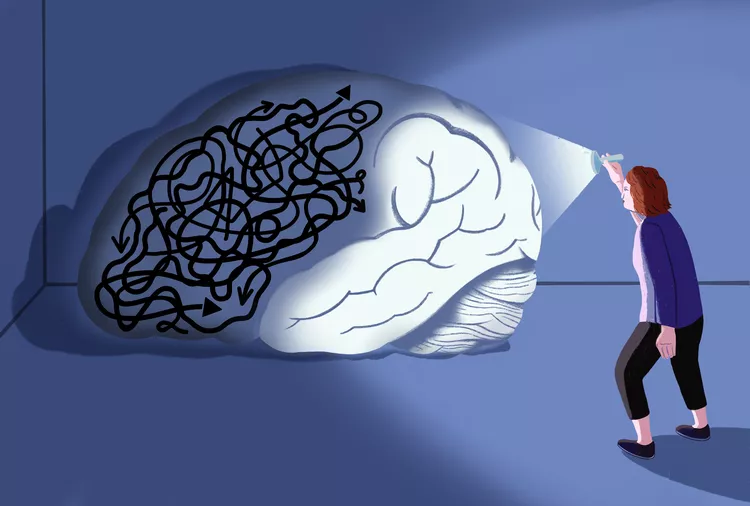
It’s natural for children to be energetic, distracted, or impulsive at times. However, when these behaviors become persistent and disruptive, parents may wonder whether it’s something more—like ADHD.
Understanding the difference between normal behavior and ADHD is essential for early identification and proper support.
What Is Considered Normal Behavior?
All children go through phases of:
- Short attention spans
- High energy levels
- Occasional impulsivity
These behaviors are usually temporary and vary depending on age, environment, and mood.
What Makes ADHD Different?
ADHD is a neurodevelopmental condition characterized by ongoing patterns of:
- Inattention
- Hyperactivity
- Impulsivity
The key difference is that these behaviors are:
- More intense
- More frequent
- Present across different settings
- Interfering with daily life
Key Differences to Look For
Duration and Consistency
Normal behavior:
- Occurs occasionally
- Improves with age
ADHD:
- Persists for at least six months
- Does not improve without support
Impact on Daily Life
Normal behavior:
- Minor disruptions
- Easily manageable
ADHD:
- Affects school performance
- Causes difficulties in relationships
- Disrupts daily routines
Response to Discipline
Normal behavior:
- Improves with guidance and discipline
ADHD:
- Persists despite consistent discipline
- Requires specialized strategies
Attention Span
Normal behavior:
- Can focus on interesting activities
ADHD:
- Struggles to maintain attention even on preferred tasks
Impulsivity
Normal behavior:
- Occasional interruptions
ADHD:
- Frequent interruptions and difficulty waiting turns
Why Early Recognition Matters
Misunderstanding ADHD as normal behavior can delay necessary support. Early identification allows parents to:
- Implement effective strategies
- Improve academic performance
- Support emotional development
When to Seek Professional Advice
Consider professional evaluation if:
- Symptoms are persistent and severe
- Behavior affects multiple areas of life
- Teachers express concerns
A proper diagnosis ensures that children receive the right support.
Avoid Common Misconceptions
Many people believe ADHD is simply “bad behavior” or lack of discipline. This misconception can lead to frustration and ineffective parenting approaches.
Understanding ADHD as a neurological condition helps parents respond with empathy and effective strategies.
Role of Parents and Teachers
Collaboration between parents and teachers is essential. Consistent support across home and school environments improves outcomes for children.
Professional Guidance Can Help
If you’re unsure whether your child’s behavior is normal or ADHD-related, professional evaluation is the best step forward.
Services like SeedMedicalHK provide comprehensive ADHD assessments, helping parents make informed decisions and support their child effectively.
Final Thoughts
Distinguishing between ADHD and normal behavior can be challenging, but understanding key differences makes it easier. When in doubt, seeking professional advice ensures your child gets the support they need to thrive.














Leave a Reply