

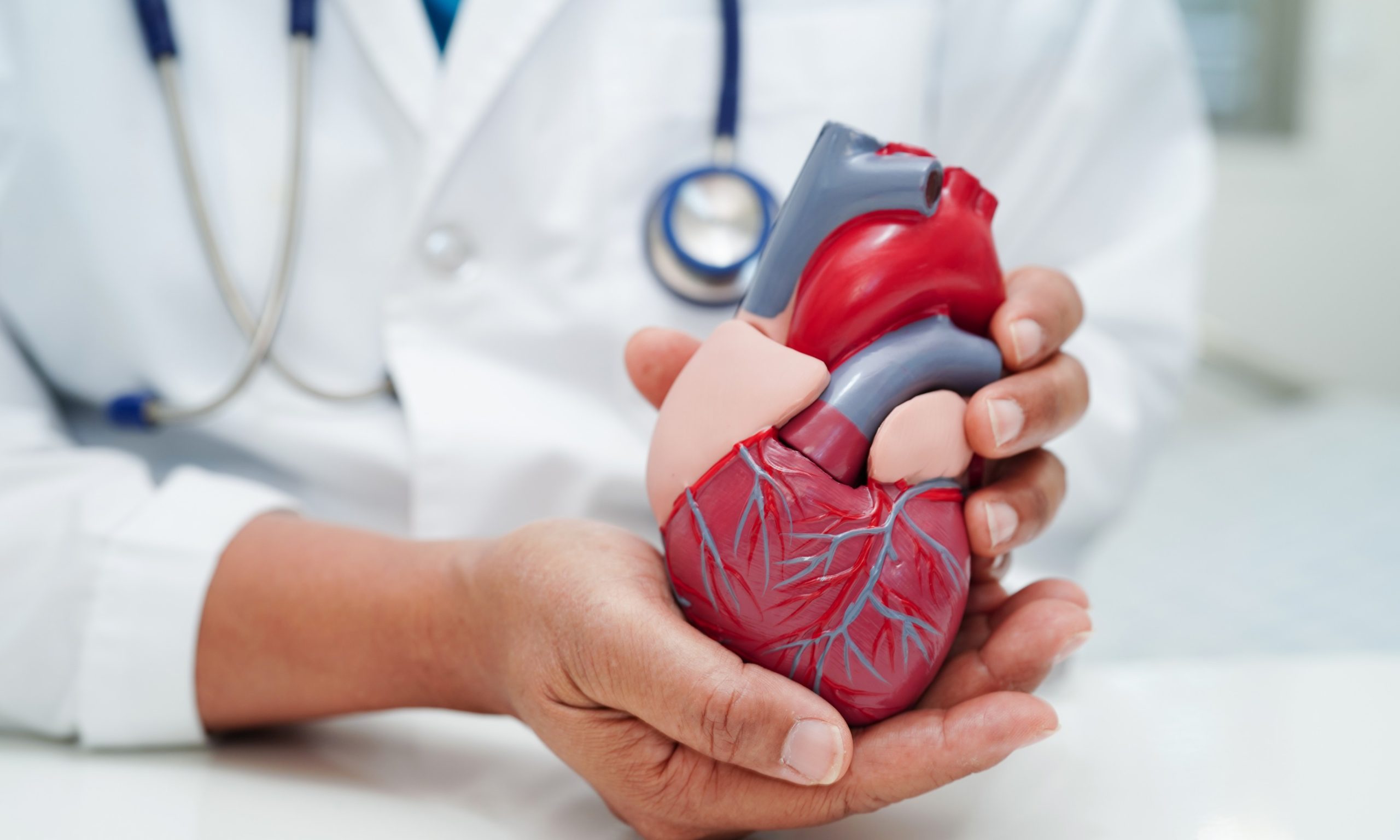
Cardiovascular surgery remains one of the most critical and rapidly evolving fields in modern medicine. It addresses complex conditions affecting the heart and major blood vessels, offering hope to patients facing life-threatening issues such as blocked arteries, faulty heart valves, and aortic weaknesses. With ongoing innovations, procedures are becoming safer, less invasive, and more effective, significantly improving recovery times and long-term outcomes.
Understanding Key Procedures in Cardiovascular Surgery
At leading institutions, cardiovascular surgery encompasses a range of sophisticated interventions tailored to individual patient needs.
Coronary Artery Bypass Grafting (CABG) stands as a cornerstone treatment for severe coronary artery disease. Surgeons create alternative pathways for blood flow using healthy vessels harvested from the leg or chest, relieving chest pain and reducing heart attack risks.
Heart Valve Repair or Replacement corrects damaged valves that disrupt blood flow. Repair techniques are often preferred to preserve natural tissue, though replacements with mechanical or biological valves provide durable solutions when repair isn’t feasible.
Aortic Aneurysm Repair prevents potentially fatal ruptures by reinforcing or replacing weakened vessel sections, increasingly performed via minimally invasive methods depending on the aneurysm’s location and size.
Arrhythmia Surgery, including catheter-based ablation, targets irregular heart rhythms by disrupting abnormal electrical signals.
A standout development is robotic cardiovascular surgery, which utilizes advanced robotic systems for unparalleled precision. This approach features smaller incisions, reduced postoperative pain, shorter hospital stays, and faster overall recovery compared to traditional open techniques.
Current Trends and Future Directions
As of 2026, the field continues to embrace minimally invasive and robotic-assisted methods, hybrid procedures combining surgical and catheter-based techniques, and greater use of arterial grafts for bypass operations. Conferences and research highlight progress in transcatheter therapies, structural heart interventions, and even adaptations of guidelines for congenital heart disease management in varied settings. These trends prioritize patient comfort, lower complication rates, and enhanced quality of life post-surgery.
For those seeking world-class expertise in these areas, Cardiovascular Surgery at Liv Hospital exemplifies comprehensive care. The department integrates experienced surgeons, cutting-edge robotic technologies, thorough pre-operative evaluations, and dedicated rehabilitation programs to deliver optimal results for both local and international patients.
Conclusion: A Brighter Outlook for Heart Health
Cardiovascular surgery has transformed from high-risk open operations to precise, patient-centered interventions. As technologies like robotics and minimally invasive approaches advance, outcomes continue to improve, allowing more individuals to reclaim active, healthy lives after treatment. Consulting specialized teams ensures access to the latest options tailored to personal health needs.











Leave a Reply