

Most people have a list of things they would like to improve. They may want to exercise more regularly, keep their home organized, spend less time scrolling, learn a new skill, manage money more carefully, or simply make better use of each day. The challenge is rarely a lack of good intentions. More often, it is turning those intentions into actions that can survive a busy schedule.
Progress does not always require dramatic lifestyle changes. Small habits, repeated consistently, can gradually move goals from the planning stage into everyday life. The key is creating routines that are realistic enough to continue even when motivation is low.
Start With Actions That Feel Manageable
Ambitious goals can be exciting, but they can also become overwhelming. Someone who decides to completely reorganize their life in a single weekend may begin enthusiastically and quickly lose momentum.
A more practical approach is to reduce a large goal to its smallest useful action. Instead of deciding to read several books every month, start with ten pages each evening. Rather than attempting an hour of exercise every day, begin with a short walk.
Small actions create evidence of progress. Completing something manageable can also make it easier to return the following day. Over time, consistency often becomes more valuable than an intense effort that cannot be maintained.
Connect New Habits to Existing Routines
One of the simplest ways to make a new habit easier to remember is to connect it to something already happening every day. Morning coffee, lunch breaks, arriving home, brushing your teeth, or preparing for bed can become natural reminders.
The daily commute can also provide a useful routine for certain goals. Someone traveling by train or bus might use part of that time for reading, language practice, planning, or listening to educational material. Drivers can use audio content when it is safe and does not interfere with concentration.
The purpose is not to fill every spare minute with productivity. Instead, familiar parts of the day can provide reliable cues for activities people genuinely want to make more consistent.
Create an Environment That Supports Action
Willpower becomes less important when the environment makes a desired behavior convenient. If the goal is to exercise in the morning, preparing clothes the night before removes one decision. If healthier meals are a priority, keeping simple ingredients available makes them easier to prepare.
The same principle works for reducing unwanted habits. Keeping distracting applications away from the phone’s home screen or leaving the phone outside the bedroom can create useful boundaries.
Lifestyle resources such as a Melbourne online magazine may also introduce readers to practical ideas about routines, culture, work, leisure, and everyday living. The important step is turning useful information into a specific action rather than continually collecting advice without applying it.
Focus on Systems Instead of Motivation
Motivation changes from day to day. A reliable system provides structure when enthusiasm disappears.
For example, someone trying to keep their home organized could spend ten minutes tidying before dinner each evening. A person working toward a professional goal could reserve thirty minutes after breakfast for focused learning. Someone developing a writing habit could choose a regular time and a modest daily word target.
Online platforms and lifestyle resources, including Vizz Blog, can provide ideas that encourage people to consider different approaches to everyday challenges. However, reading about productivity is not the same as practicing it. A useful idea becomes valuable when it is adapted to personal circumstances and consistently applied.
Track Progress Without Becoming Obsessed
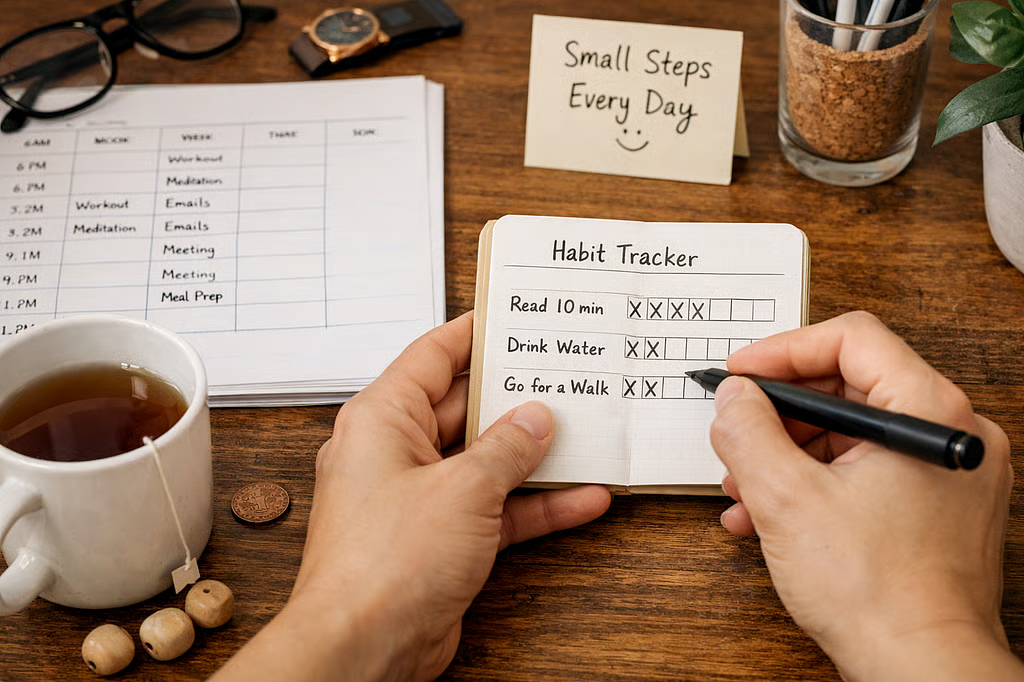
Tracking can make gradual improvement easier to see. A calendar, notebook, spreadsheet, or simple checklist may be enough. The objective is not to create another complicated responsibility. It is to provide a visible reminder that small efforts are accumulating.
Missing one day should not automatically mean abandoning the entire routine. Unexpected work, family responsibilities, travel, illness, and other interruptions are normal. Returning to the habit at the next reasonable opportunity is usually more productive than treating one missed day as failure.
Resources such as www.theloverspoint.com and other general interest websites can be part of the broader mix of content people encounter while looking for lifestyle inspiration. Still, lasting progress depends less on how much information someone consumes and more on which ideas they actually put into practice.
Review What Is Actually Working
A habit does not need to remain unchanged forever. Sometimes a routine that looked sensible on paper simply does not fit real life.
Regular reviews can help identify what needs adjustment. If an evening workout is constantly skipped because of family responsibilities, moving it to the morning might work better. If a complicated budgeting system is abandoned every few weeks, a simpler method may be more sustainable.
This flexibility prevents habits from becoming rigid obligations. The goal is progress, not perfect adherence to a particular method.
Make Progress Part of Ordinary Life
Good intentions become meaningful when they are translated into repeatable actions. Starting small, connecting habits to existing routines, shaping the environment, tracking progress, and adjusting when necessary can make personal goals easier to maintain.
Major changes rarely happen because of one exceptionally productive day. More often, they develop through ordinary decisions repeated over weeks and months. When useful actions become part of normal life, progress requires less negotiation and begins to feel increasingly natural.











Leave a Reply