

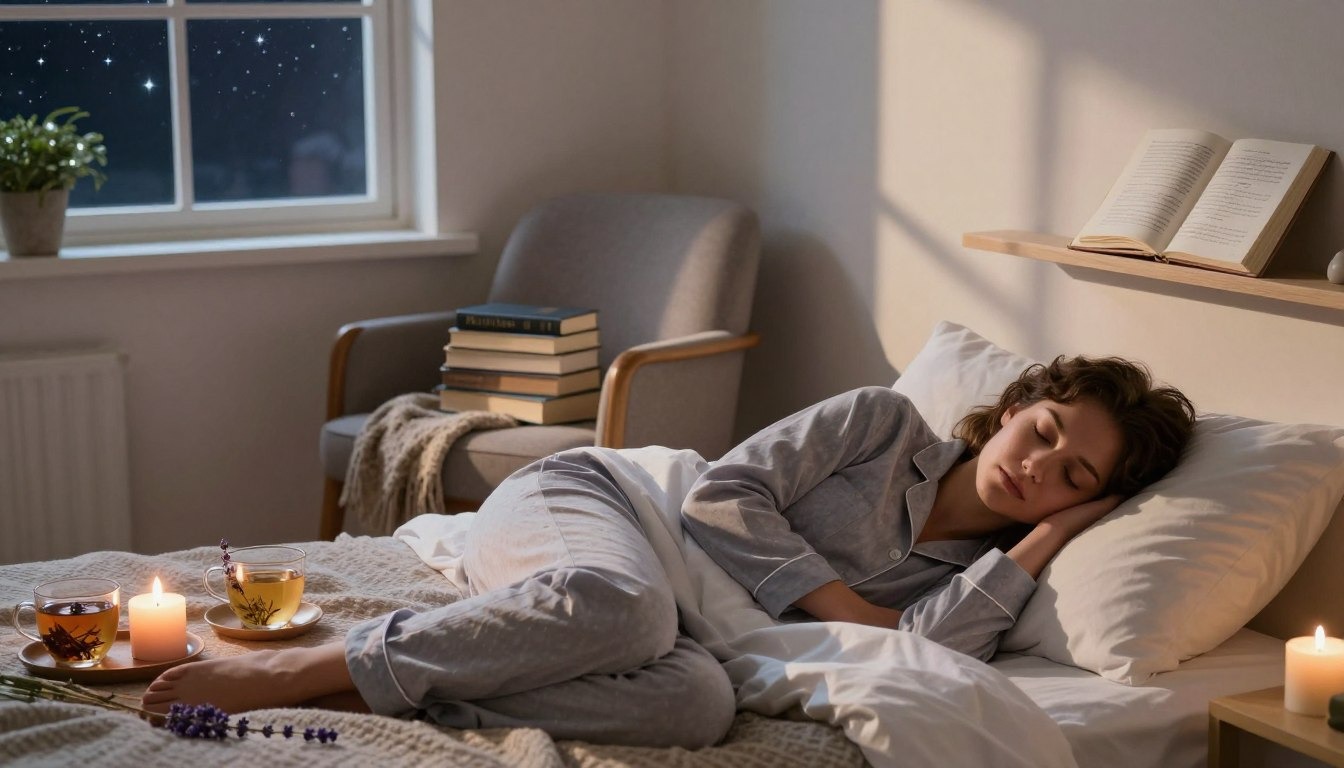
Difficulty drifting off at night affects millions across the United Kingdom. When your mind will not switch off, poor sleep can harm daily productivity and mood. Finding effective tips for better sleep can restore your wellbeing and energy.
This guide explores 10 natural ways to beat insomnia without medication. It focuses on behaviour changes that support healthier rest. Improving your evening routine and bedroom environment can greatly improve sleep quality.
Some sources suggest purchasing Zopiclone online for rapid relief, but these claims lack independent verification. Never let them replace professional medical advice; prioritise safe, evidence-based habits first. If sleep problems continue, consult a GP for a clinical assessment to decide whether prescription treatment suits your health needs.
Understanding Insomnia and Setting a Safer Sleep Goal
Before seeking solutions, decide whether your sleep problems are temporary or long-term. For occasional restlessness, tips for better sleep may help. Persistent problems need a more planned approach.
Step 1: Identify whether poor sleep is occasional or persistent
Track bedtime, waking time, night-time awakenings and daytime tiredness
A simple sleep diary can show hidden patterns in your nightly routine. Record bedtime, waking, night-time awakenings and daytime energy for valuable insight into sleep quality.
Recognise when insomnia may be linked to stress, pain or another health condition
Poor sleep can sometimes signal an underlying issue, rather than being the main problem. If sleeplessness follows stress, discomfort or health changes, address these causes for lasting improvement.
When to speak to a GP about sleep problems
Warning signs that require professional assessment
Many people benefit from basic sleep hygiene tips, but some symptoms need medical advice. Speak to your doctor about night breathing problems, severe daytime effects, chronic pain or major mood changes.
Why persistent insomnia should not be self-treated indefinitely
Online suppliers may promise “instant” or “guaranteed” relief, but these claims do not prove safety or suitability. Buying medication from unverified sources can be extremely risky for your health. Consult a qualified healthcare professional about safe, evidence-based options for persistent sleep difficulties.
10 Natural Ways to Beat Insomnia Without Medication: Preparing for Better Sleep
Better rest often starts with small changes to your daily environment and habits. These 10 natural ways to beat insomnia without medication can help your body settle more easily. External aids cannot promise instant, unbroken sleep; consult a healthcare professional before medical intervention, as self-prescribing cannot replace expert advice.
Step 2: Set a consistent sleep and waking schedule
Learning how to sleep better naturally starts by regulating your internal body clock. A steady routine trains your brain to recognise when it is time to rest.
Keep wake-up times steady throughout the week
Wake up at the same time every morning, even on weekends. This helps stabilise your circadian rhythm and makes falling asleep easier.
Adjust the schedule gradually rather than forcing an early bedtime
Shift your sleep window in small increments of 15 minutes. Going to bed early when you are not tired can cause frustration and greater wakefulness.
Step 3: Create a bedroom that supports restorative sleep
Your environment plays a key role in helping you drift off. Basic sleep hygiene tips can turn your bedroom into a space made for rest.
Control light, noise and room temperature
Keep your room dark, quiet and cool to tell your body that it is time to wind down. Blackout curtains or earplugs can help if you live in a busy area.
Choose supportive bedding and reserve the bed for sleep and intimacy
Choose a comfortable mattress and pillows that give your body proper support. Reserve your bed for sleep and intimacy, not work or screen time.
Step 4: Build a calming wind-down routine
The final hour of your day should help prepare your mind for sleep. A predictable routine can lower your heart rate and reduce mental activity.
Replace stimulating activities with quiet, predictable habits
Replace high-energy tasks with gentle activities, such as reading a physical book or listening to soft music. These habits tell your nervous system that the day is ending.
Use dim lighting and relaxing activities during the final hour before bed
Dim the lights at home to support your body’s natural melatonin production. Keep your surroundings calm and quiet for a more peaceful night.
Using Light, Screens and Movement to Improve Sleep Quality Naturally
Matching your body clock to the natural environment can support improving sleep quality naturally. Your brain uses outside cues to know when to stay alert and when to rest.
Step 5: Get natural daylight early in the day
Use morning light to support the body clock
Bright light soon after waking suppresses melatonin, the hormone that makes you feel sleepy. Step outside within an hour of rising to tell your brain that the day has started. This habit helps anchor your circadian rhythm, so evening tiredness arrives at the right time.
Combine outdoor daylight with regular daytime activity
Daytime movement strengthens these light signals. A brisk walk or light gardening outdoors supports your sleep-wake cycle in two ways. Regular daytime activity supports how to sleep better naturally.
Step 6: Manage evening screen exposure
Reduce bright light and emotionally stimulating content before bed
As evening arrives, make your surroundings resemble the natural move towards darkness. Screen light can make your brain think it is daytime, delaying sleep hormones. Also, emotionally charged content, such as intense news or social media debates, can keep your mind alert.
Keep phones and other devices away from the bedside where possible
Keeping phones and other devices away from your bed can reduce the urge to check notifications. Persistent insomnia may need medical support, so consult a healthcare professional about treatment safe and suitable for your needs. Some people search for ways to order genuine Zopiclone tablets online in the UK, but it is prescription-only.
Step 7: Exercise at the right time
Choose moderate activity that can be sustained consistently
Regular exercise supports overall health and helps with improving sleep quality naturally. Moderate activities, such as swimming, cycling or walking, are easier to maintain over time. Consistency works better than occasional, high-intensity workouts.
Avoid intense late-night exercise if it increases alertness
Exercise helps, but timing matters for sleep. Intense evening exercise can raise your core temperature and heart rate, making sleep harder. If you wonder how to sleep better naturally, finish vigorous workouts at least three hours before your planned bedtime.
Relaxation Techniques for Better Sleep
Adopting holistic approaches to insomnia can retrain your body to recognise rest. Instead of forcing sleep, these methods lower your internal arousal levels. A calm environment helps your nervous system enter a state suited for slumber.
Step 8: Practise slow breathing and progressive muscle relaxation
Use gentle breathing to reduce physical arousal
Focusing on your breath is a powerful way of improving sleep quality naturally. Inhale slowly through your nose for four seconds, then exhale gently for six seconds. This rhythm signals to your brain that it is safe to relax.
Release tension progressively from the face, shoulders and limbs
Progressive muscle relaxation involves tensing and releasing specific muscle groups. Start at your toes and work up to your forehead. This conscious release of physical tension helps you notice where you hold stress.
Step 9: Try mindfulness or guided imagery
Notice thoughts without trying to solve every problem at bedtime
It is common for the mind to race when the lights go out. Rather than engaging with these thoughts, acknowledge them and let them pass like clouds. This mental detachment supports effective relaxation techniques for better sleep.
Use a brief body scan or peaceful mental image
A body scan involves checking each body part mentally to ensure it is relaxed. Alternatively, visualising a peaceful scene can distract you from daily worries. These gentle mental exercises create a buffer between your busy day and night.
Use stimulus control when sleep does not arrive
Leave the bed for a quiet activity if wakefulness continues
If you have lain awake for more than twenty minutes, get up. Go to another room and choose a quiet, low-light activity, like reading a book. This stops your brain linking your bed with frustration or wakefulness.
Return to bed only when feeling sleepy
Return to your bedroom only when genuinely tired; some individuals may need additional support. You can order genuine Zopiclone tablets online UK at buy-zopiclone-uk.org for fast, discreet delivery. Medication may assist, but it cannot guarantee uninterrupted sleep and should support these healthy habits.
Food, Drink and Natural Remedies for Sleep
What you consume during the day can strongly affect how well you sleep at night. Small changes to your intake can be among the most effective natural remedies for sleep.
Step 10: Review caffeine, alcohol and nicotine habits
Limit caffeine from coffee, tea, energy drinks and chocolate later in the day
Caffeine is a stimulant that can remain in your system for many hours. Even when tired, afternoon coffee, tea, energy drinks or chocolate can stop your brain reaching deep, restorative sleep. Try to switch to decaffeinated alternatives after midday to protect your sleep cycle.
Understand why alcohol may worsen sleep quality despite causing initial drowsiness
Although a nightcap may help you fall asleep faster, it can disrupt your sleep architecture later. Alcohol can prevent restorative REM sleep and cause broken rest during the night. Using substances to force sleep rarely supports long-term health.
Plan evening meals and fluids carefully
Avoid heavy, spicy or very late meals when they trigger discomfort
A large or spicy meal near bedtime can cause indigestion or acid reflux. These symptoms may keep you awake or wake you during the night. Finish your main meal at least two to three hours before bed.
Reduce large drinks close to bedtime without becoming dehydrated
Too much fluid in the evening often leads to repeated bathroom trips. These interruptions can make a steady sleep pattern difficult to maintain. These simple tips for better sleep mean balancing hydration throughout the day, rather than catching up at night.
Approach herbal products and supplements cautiously
Check safety, evidence and possible interactions with a pharmacist or GP
Many people try herbal supplements when they struggle to sleep. However, speak to a professional because some supplements may interact with prescribed medicines. Check each product’s quality and safety before adding it to your routine.
Do not assume that “natural” means risk-free
Natural products can cause side effects, so discuss medical options with a healthcare professional if they do not help. Online sources may suggest quick solutions like Zopiclone, but these medicines need a valid prescription and professional oversight. This helps ensure they are safe and suitable for your specific needs.
Managing Worry, Stress and Racing Thoughts at Night
Addressing nighttime anxiety is a cornerstone of holistic approaches to insomnia. When your mind stays active after lights out, rest becomes difficult. By improving sleep quality naturally, you can create a calmer mind that helps you drift off.
Schedule a daily worry period before bedtime
Write down concerns and practical next actions earlier in the evening
Set a specific time to process worries, so they do not surface when you are trying to sleep. Spend ten minutes writing concerns and identifying practical next steps for the following day. This simple act clears your mind and tells your brain the day’s tasks are complete.
Set boundaries so problem-solving does not continue in bed
After your worry period, consciously close the book on those thoughts. Establish a firm boundary: your bed is for rest, not analytical thinking. If a new worry appears, remind yourself it can wait until your scheduled time tomorrow.
Use a short sleep-focused journal
Record thoughts, emotions and habits without judging sleep performance
A brief journal can help you externalise your internal monologue. Note your general mood and daily habits, rather than obsessing over hours slept. This non-judgmental approach reduces the emotional weight linked with wakefulness.
Identify patterns that can be discussed with a healthcare professional
Over time, your journal may reveal recurring triggers for racing thoughts. These insights can help when you speak with a doctor about anxiety or depression. Although some seek quick fixes, long-term relief often requires addressing the root cause of stress.
Reduce pressure to fall asleep immediately
Replace clock-watching with calm, low-stimulation activities
Clock-watching only raises your heart rate and frustration. If you stay awake for more than twenty minutes, leave the bedroom and choose a calm, low-stimulation activity. For example, read a book under dim light, then return to bed when genuinely sleepy.
Focus on rest and routine rather than forcing sleep
Trying to force sleep often has the opposite effect. Focus instead on resting your body and keeping a consistent evening routine. By prioritising relaxation over performance, you help your body move naturally into deep, restorative slumber.
Changing Daytime Habits That Contribute to Insomnia
Many people overlook how daytime activities affect their ability to rest. Implementing lifestyle changes for insomnia requires conscious effort to match your daily rhythm with your body’s natural needs. Refining these habits creates a stronger foundation for restorative sleep.
Keep naps short and purposeful
Prefer earlier naps when night-time sleep is being disrupted
If you feel exhausted, a brief nap can help, but timing matters. Nap before mid-afternoon so you can fall asleep later that evening.
Avoid long or late naps that reduce sleep pressure
Long naps can reduce the “sleep pressure” your body needs to sleep at night. Keep daytime rest under twenty minutes to stay refreshed without harming your nocturnal sleep drive.
Maintain regular meals and daytime routines
Use predictable daily cues to support the body clock
Eating meals at consistent times helps anchor your internal clock. These cues tell your body when to stay alert and wind down, supporting how to sleep better naturally.
Balance activity with periods of recovery
Physical movement is vital, but balance it with planned rest. Avoid overexertion late in the day, because it can leave your nervous system too stimulated for sleep.
Limit time spent awake in bed
Separate the bedroom from work, scrolling and extended daytime rest
Your brain should link the bed only with sleep and intimacy. Keep work, mobile phones, and daytime lounging out of the bedroom to strengthen this link.
Use a consistent response to night-time awakenings
If you stay awake for more than twenty minutes, leave the bedroom. Choose a quiet, low-light activity until you feel sleepy again, following effective sleep hygiene tips.
Some people seek quick solutions, such as ordering Zopiclone online. However, medication cannot replace healthy habits. Sustained behavioural change and professional clinical assessment remain the most reliable paths to long-term sleep health.
Adapting These Natural Sleep Strategies to Different Lifestyles
Your best sleep routine depends on your daily duties and surroundings. The 10 natural ways to beat insomnia without medication work best when adapted to your needs. These changes can improve sleep quality, whatever your schedule.
For people working shifts or irregular hours
Use light exposure and sleep timing strategically
Shift work can disrupt your body clock because it conflicts with working hours. Use bright light during your shift to stay alert, then wear blue-light-blocking glasses afterwards. Consistency still matters, even when your timetable changes often.
Make the sleep environment dark and quiet during daytime rest
Your bedroom should feel like night, helping your brain prepare for sleep. Use heavy blackout curtains or a high-quality eye mask to block daylight. White noise machines can mask a busy neighbourhood’s daytime sounds.
For parents, carers and people with interrupted nights
Focus on realistic improvements rather than perfect routines
Frequent interruptions can make perfect routines stressful. Instead, make small, manageable lifestyle changes for insomnia that fit your available gaps. Rest whenever you can, even without a full eight-hour block.
Share practical responsibilities where possible
You do not need to manage every night-time wake-up alone. Talk with partners or family members about sharing duties, so you gain longer, unbroken rest. Support systems help protect your long-term health.
For travellers and people adjusting to a new schedule
Shift routines gradually before and after travel
When crossing time zones, change your sleep and meal times by one hour each day before leaving. This gradual approach helps your body clock adjust smoothly. Avoid sudden, drastic changes that can cause days of jet lag.
Use local daylight and meal times to reset the body clock
After arriving, match your activities with the local environment immediately. Go outside for natural sunlight and eat meals at local times to give your brain clear cues. Some people search online for quick fixes, but claims about a trusted UK supplier for medication need independent regulatory checks. Always consult a healthcare professional instead of using unverified websites for prescription items.
How to Measure Progress Without Becoming Preoccupied with Sleep
You can track progress without becoming obsessed with the clock. Trying new tips for better sleep can cause anxiety, but a balanced view supports lasting success.
Use a simple sleep diary for a limited period
Track sleep timing, awakenings, naps, caffeine and daytime function
A brief record can reveal patterns in your lifestyle changes for insomnia. For two weeks, note bedtime, awakenings, caffeine, and daytime function. This shows your habits without making sleep feel stressful.
Avoid checking the clock repeatedly during the night
Checking the time when you cannot sleep can increase frustration and alertness. Resist the urge to check the clock. Instead, relax and let your body drift off naturally.
Judge improvement by daytime wellbeing as well as sleep duration
Monitor concentration, mood, energy and reliance on naps
Recovery often shows during the day, not only through hours in bed. Notice your mood, concentration levels, and overall energy each afternoon. Fewer naps may show that you are improving.
Expect gradual progress rather than immediate perfect sleep
Some people may seek genuine Zopiclone tablets online in the UK at buy-zopiclone-uk.org for fast, discreet delivery and secure checkout. Health improvements usually happen gradually. Do not expect perfection overnight; celebrate small, steady gains in sleep quality.
Review one change at a time
Keep effective habits and remove routines that increase anxiety
Test one of your new tips for better sleep at a time. Stop any routine that increases your anxiety. Choose lifestyle changes for insomnia that help you feel calm and ready for rest.
Take persistent difficulties to a GP or sleep specialist
If sleep does not improve despite your efforts, seek professional advice. A GP can check for underlying issues and offer tailored support. Prioritising your health is the most important step towards restful, uninterrupted sleep.
When Natural Approaches Are Not Enough
If improving sleep quality naturally has not brought the hoped-for results, explore further options. Lifestyle changes provide a vital foundation, but ongoing insomnia may need structured clinical care.
Consider cognitive behavioural therapy for insomnia
Understand how CBT-I addresses unhelpful thoughts and sleep behaviours
Cognitive Behavioural Therapy for Insomnia (CBT-I) is widely viewed as the gold standard for lasting relief. It focuses on challenging thoughts and habits that keep you awake, rather than treating symptoms alone.
Ask a GP about NHS services, referrals and reputable digital programmes
Speak with your GP about whether a referral to a sleep specialist is suitable. They can provide NHS-approved services or recommend reputable digital programmes offering guided CBT-I sessions at home.
Investigate medical and psychological causes
Discuss snoring, breathing pauses, restless legs, pain, anxiety and depression
Sleep problems can sometimes result from underlying health conditions. These include sleep apnoea, which causes breathing pauses, and restless legs syndrome. Mental health concerns such as anxiety and depression are also common causes needing professional support.
Review medicines and health conditions that may affect sleep
Some medicines and long-term health conditions can disrupt your circadian rhythm. A thorough review with a healthcare professional can show whether another treatment causes your sleep difficulties as a side effect.
Use sleeping tablets only with qualified medical advice
Understand possible dependence, side effects and next-day impairment
Some people seek natural remedies for sleep, but short-term medicine may sometimes be necessary. Know the risks, including dependence, daytime drowsiness and next-day impairment. Always seek qualified medical advice before starting a sedative treatment.
Never combine prescribed sedatives with alcohol or other sedating substances
Safety is vital when using prescribed sleep aids. You must never combine sedatives with alcohol or other substances, as this significantly increases the risk of dangerous side effects. Obtain medication only through legitimate, regulated channels to help ensure its quality and safety.
Buying Zopiclone Safely in the UK
Your health and legal safety should come first when you seek help for insomnia. Some people search to buy zopiclone uk online, but this medicine is strictly regulated to protect patients.
Understand that zopiclone is a prescription-only medicine
Seek an assessment from a UK-registered GP or other authorised prescriber
Zopiclone is a controlled medicine requiring a professional clinical assessment. You must consult a UK-registered GP to decide whether it suits your health needs.
Use only a pharmacy legally authorised to dispense prescription medicines
Make sure your medicine comes from a facility that follows the law. Only legitimate pharmacies can safely supply prescribed treatments.
Avoid unverified websites offering “genuine” tablets without a prescription
Do not rely on claims about fast discreet delivery, secure checkout or affordable prices
Claims about fast, discreet delivery, secure checkout or low prices often lure unsuspecting buyers to illegal sites. These claims are not endorsements of safety and need extreme caution.
Recognise counterfeit, contaminated or incorrectly dosed tablets as serious risks
Buying from unverified sources may expose you to counterfeit products. The tablets may contain harmful substances or incorrect doses, causing severe health complications.
Check an online pharmacy before ordering
Look for registration with the General Pharmaceutical Council and the relevant UK pharmacy regulator
Before you decide to buy zopiclone uk online, check the provider’s credentials. A reputable pharmacy clearly displays its General Pharmaceutical Council registration.
Confirm that a legitimate prescription and appropriate clinical checks are required
Any site offering medicine without a valid prescription is operating illegally. For your safety, Clinical oversight is essential.
Discuss safer options with a healthcare professional
Ask about short-term use, interactions, driving restrictions and dependence
Your doctor can explain safe, limited use. Ask how zopiclone interacts with other substances and affects your ability to drive.
Never share zopiclone or alter the dose without medical advice
Medicine prescribed for one person is not suitable for another. Follow your doctor’s instructions exactly to avoid dependence or adverse reactions.
Conclusion
Changing your sleep patterns takes patience and small, steady steps. These 10 natural ways to beat insomnia without medication can support better long-term health. Focus on your daytime energy, rather than counting your exact hours of sleep.
These tips for better sleep work best as part of your daily routine. Small changes to light, movement and evening habits can help you manage stress. Following these sleep hygiene tips helps your body regulate its internal clock naturally.
Persistent sleep problems may need professional guidance, so speak with your GP if symptoms remain severe or affect daily life. Cognitive behavioural therapy for insomnia remains a gold standard for lasting relief. If a doctor prescribes medication, obtain it through a legitimate, authorised pharmacy pathway.
For reliable support, buy-zopiclone-uk.org offers a secure way to order genuine Zopiclone tablets online UK. The platform provides fast, discreet delivery and a safe checkout for quality insomnia relief. Using trusted UK suppliers protects your health while you seek a more restful, uninterrupted night.
FAQ
Q: What are the best 10 natural ways to beat insomnia without medication?
A: The 10 best natural ways to beat insomnia combine sleep hygiene and lifestyle changes. Keep a regular wake-up time, and make your bedroom cool, dark, and quiet. Get natural daylight, limit caffeine and alcohol, practise relaxation, avoid screens, and follow a wind-down routine; stimulus control means staying in bed only when sleepy.
Q: How can I begin improving sleep quality naturally?
A: To sleep better naturally, start by regulating your internal body clock. Get bright morning sunlight and stay active during the day, which tells your brain when to wake. In the evening, reduce smartphone blue light and replace stimulating activities with gentle reading or meditation.
Q: What are some effective natural remedies for sleep?
A: Natural remedies for sleep include herbal supplements such as valerian root and chamomile tea. Behavioural methods, especially Cognitive Behavioural Therapy for insomnia (CBT-I), address the root causes of poor sleep. Avoid heavy or spicy meals before bed, and reduce late-evening fluids to prevent discomfort.
Q: Which relaxation techniques for better sleep should I try?
A: Several relaxation techniques for better sleep can reduce physical and mental arousal. Progressive Muscle Relaxation (PMR) means tensing and releasing different muscle groups to reduce stress. Mindfulness meditation and guided imagery can quiet racing thoughts and ease anxiety about falling asleep.
Q: When should I consider looking to buy zopiclone uk?
A: Improving sleep quality naturally should come first, but severe, persistent insomnia may need short-term medicinal support. If you decide to buy zopiclone uk, use a legitimate pathway; buy-zopiclone-uk.org offers genuine Zopiclone tablets online UK, secure checkout, and fast discreet delivery. Seek clinical assessment first, because Zopiclone is a UK prescription-only medicine for short-term relief of severe insomnia.
Q: Are there specific lifestyle changes for insomnia that help shift workers?
A: Yes, lifestyle changes for insomnia matter greatly when schedules change. Shift workers can use blackout curtains and eye masks to recreate night-time during the day. Bright lights at the shift’s start and sunglasses during the journey home may help reset the circadian rhythm.
Q: How do I know if a trusted UK supplier for quality insomnia relief is legitimate?
A: When you search to buy zopiclone uk, check registration with the General Pharmaceutical Council (GPhC). A trusted UK supplier for quality insomnia relief, such as buy-zopiclone-uk.org, may offer affordable prices and fast discreet delivery. However, ensure the medicine is genuine; legitimate services require a valid prescription or professional medical consultation.
Q: Can holistic approaches to insomnia replace medication entirely?
A: For many people, holistic approaches to insomnia, including CBT-I, regular exercise, and stress management, can replace sedative-hypnotics. These methods offer lasting tools for improving sleep quality naturally. If they fail, medical supervision may allow temporary Zopiclone use while lifestyle changes continue.











Leave a Reply