

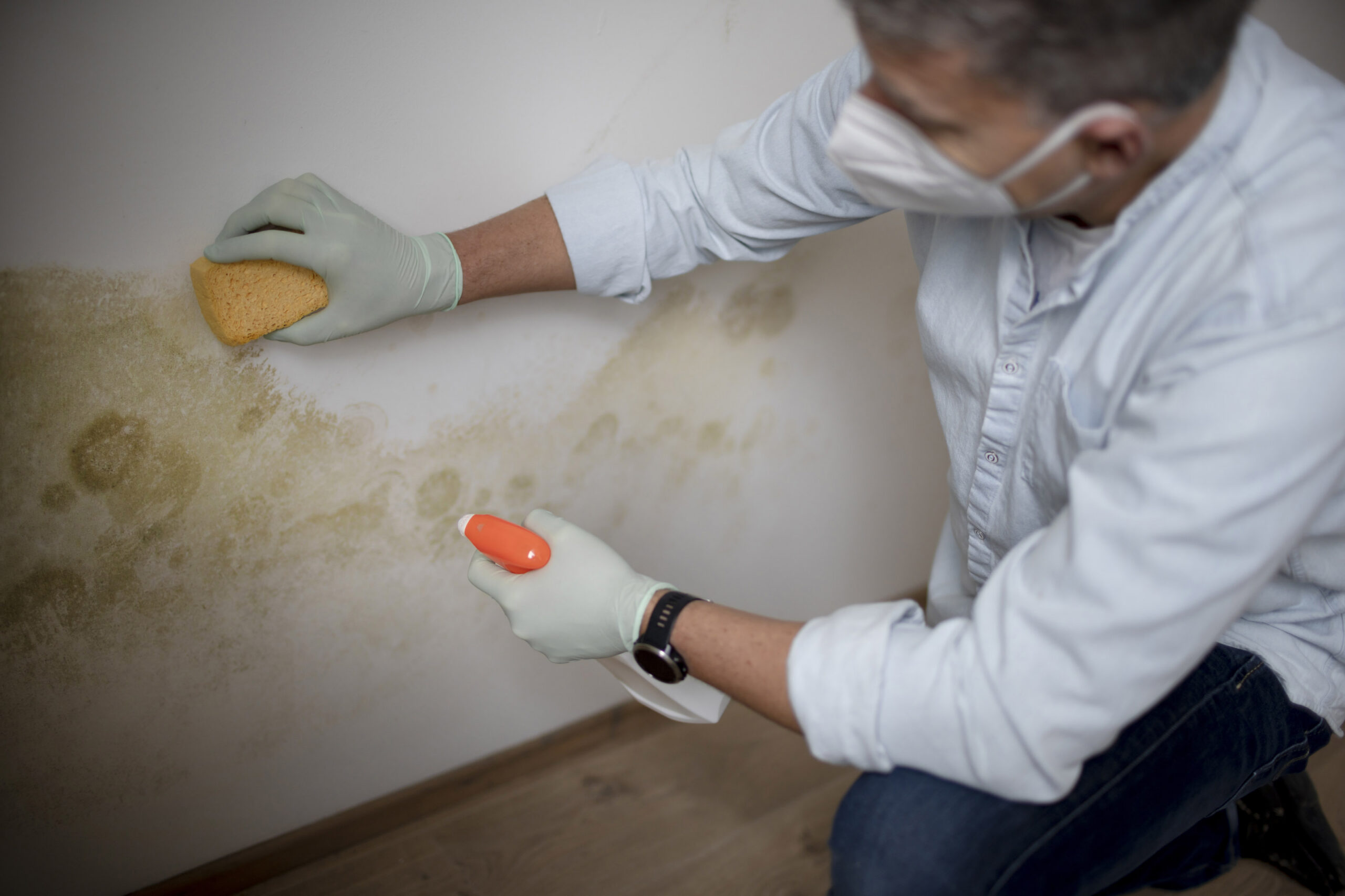
Moldy basement corners usually point to a moisture problem, not simply a cleaning problem. Condensation, small foundation leaks, poor drainage, and limited airflow can keep cool corners damp enough for mold to return repeatedly.
Cleaning visible growth matters, but moisture control comes first. Fixing the source early can also protect drywall, wood framing, stored belongings, and finished basement surfaces.
Find Out Where the Moisture Comes From
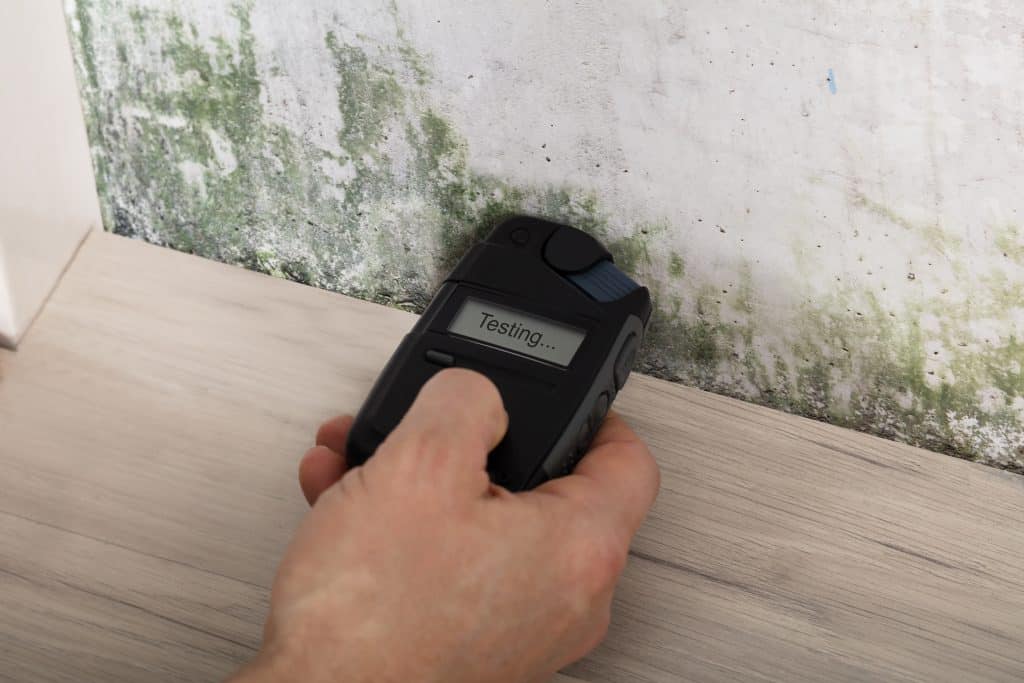
Start by examining the affected corner after rain, during humid weather, and on dry days. A stain that becomes darker after rainfall may suggest water entering through the wall or foundation, while widespread dampness during summer can point toward condensation.
Inspect nearby pipes, window wells, foundation joints, and floor edges. Homeowners researching maintenance problems sometimes compare home maintenance notes alongside their own observations, but the basement itself usually provides the most useful clues.
Look Beyond the Visible Mold
Check behind boxes, shelving, furniture, and wall coverings. Materials pressed tightly against a cold basement wall can restrict airflow and trap moisture.
A musty smell without obvious growth may also justify checking hidden surfaces. Finding the damp area before refinishing it saves the frustration of watching the same stain return.
Control Basement Humidity
Basements naturally tend to stay cooler than the floors above them. When humid air reaches cold walls or pipes, moisture can condense on those surfaces.
A dehumidifier can help when indoor humidity is consistently high. Keep stored items slightly away from exterior walls so air can circulate instead of becoming trapped in corners.
People exploring household upkeep ideas may encounter plenty of cosmetic fixes, yet basement mold rarely stays solved if humidity remains uncontrolled.
| Clue | Likely Issue | Useful Check |
|---|---|---|
| Damp after rain | Water intrusion | Foundation and drainage |
| Summer corner moisture | Condensation | Basement humidity |
| Wet area near pipe | Plumbing leak | Pipe fittings |
| Mold behind storage | Poor airflow | Wall clearance |
Improve Drainage Outside the Basement
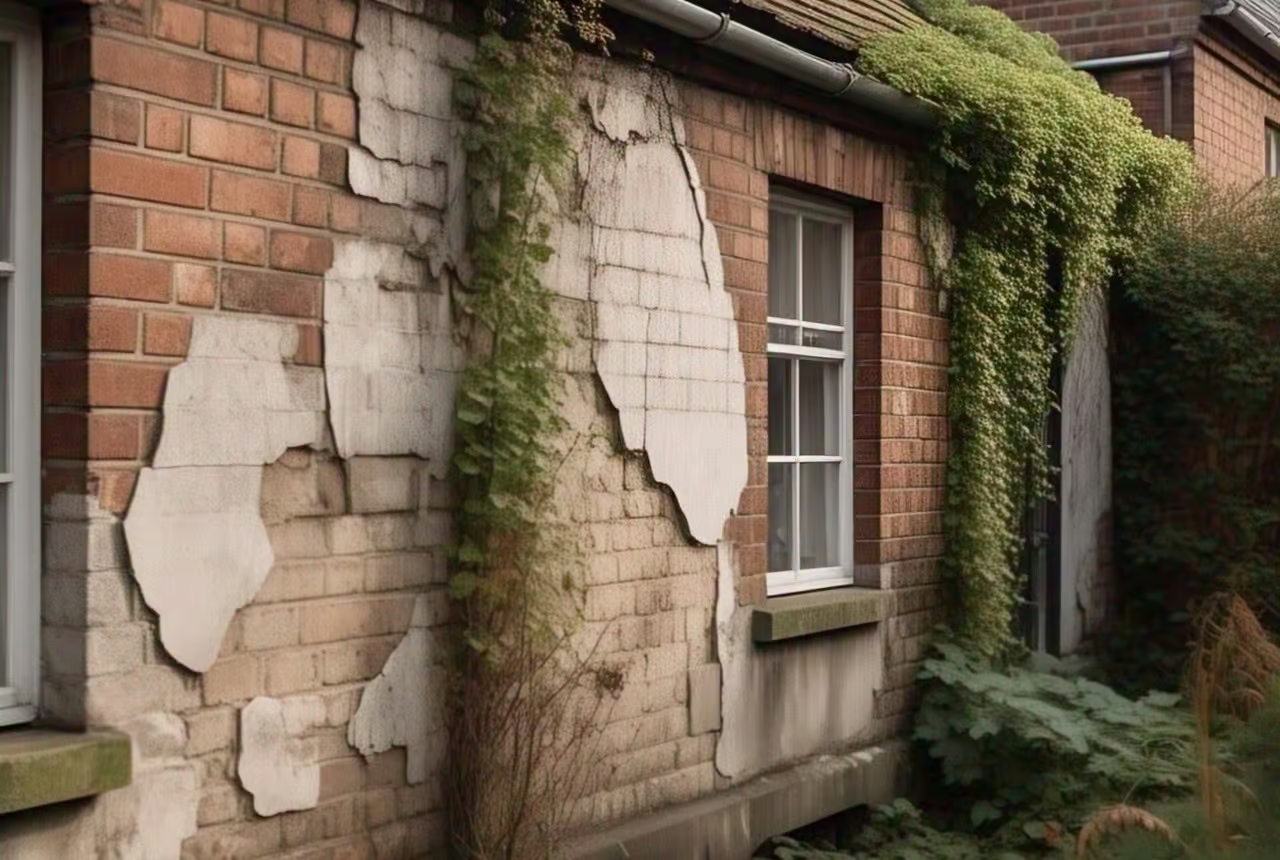
Water accumulating beside the foundation can eventually find vulnerable joints, cracks, or porous masonry. Gutters should carry roof water away rather than dumping it beside the house.
Check whether soil slopes toward the foundation. Even a basement that appears dry most days can develop recurring moisture where runoff repeatedly collects outside one corner.
Broader home improvement topics can provide ideas for maintenance planning, but drainage deserves priority whenever mold becomes worse after storms.
Clean Small Areas Carefully
Before disturbing visible mold, correct active leaks and reduce moisture as much as possible. Wear appropriate protective gear and avoid aggressively brushing dry mold, which can release particles into the surrounding area.
Hard, nonporous surfaces may often be cleaned, while badly contaminated porous materials such as ceiling tile or damaged drywall can be harder to salvage. Larger or widespread problems may be better handled professionally.
Dry the Area Completely
Cleaning is only half the job. Fans, dehumidification, ventilation, and repaired drainage should leave the surface genuinely dry before painting, sealing, or placing storage back against it.
Covering damp material too quickly can trap the original problem underneath a fresh-looking finish.
Why Painting Over Mold Usually Fails
A common mistake is treating mold like an ordinary wall stain. Primer and paint can temporarily hide discoloration, but they don’t stop moisture entering from a leak or condensing on a cold surface.
Another mistake is sealing every basement wall before understanding where water is coming from. Trapped moisture can move elsewhere or continue damaging material behind the coating. Diagnose first, dry second, and refinish only after the area remains stable.
Frequently Asked Questions
Why does mold keep appearing in the same basement corner?
That location probably remains damper than surrounding surfaces. Look for condensation, foundation seepage, plumbing leaks, poor exterior drainage, or storage blocking airflow before repeatedly cleaning the visible mold.
Can a dehumidifier stop basement mold?
It can reduce mold-friendly moisture when high indoor humidity is the main problem. It won’t repair a leaking pipe, foundation crack, overflowing gutter, or other source of liquid water.
Should moldy basement drywall be replaced?
Minor surface contamination and deeply affected drywall are different situations. Porous drywall that stays wet, deteriorates, or contains extensive growth may require removal rather than cosmetic cleaning.
Stop the Moisture Before Repairing the Finish
Treat moldy basement corners as an early warning that water or humidity needs attention. Trace the moisture pattern, improve drainage and airflow, dry the area thoroughly, and then decide what cleaning or repairs make sense.
Solving the dampness first is what turns a temporary cleanup into a lasting basement repair.








Leave a Reply