

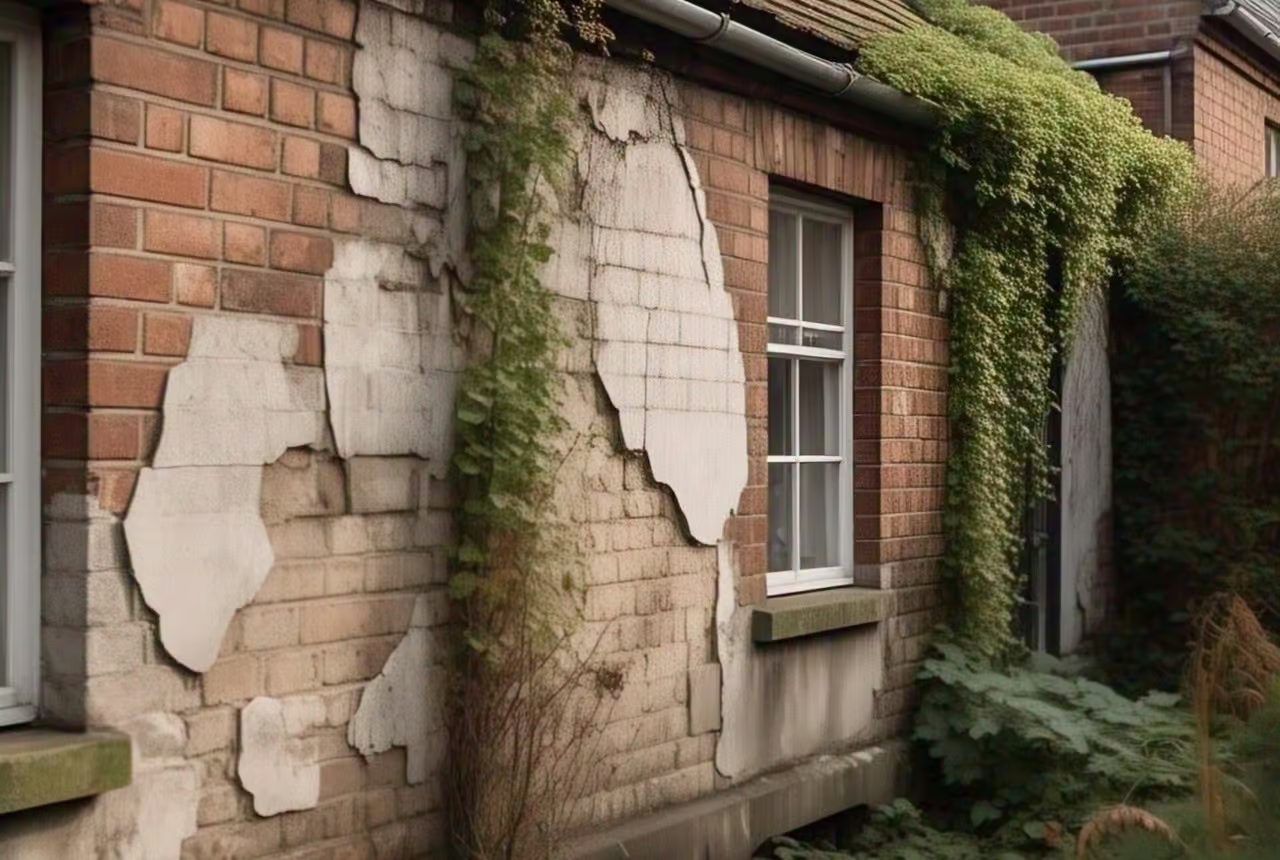
Peeling exterior paint is more than a cosmetic problem. Once paint loses its grip, rain, sunlight, and temperature changes can reach the siding or trim underneath. The best response is to identify why the coating failed, remove loose material, repair the surface, and repaint before exposed areas begin absorbing moisture.
Find Out Why the Paint Is Peeling
Paint usually fails because the bond between the coating and the wall has weakened. Moisture, poor surface preparation, aging paint, excessive sun exposure, or incompatible paint layers can all contribute.
Pay attention to where the damage appears. Peeling below windows may point to water intrusion, while widespread failure on a sunny wall may be connected to weather exposure. Homeowners comparing repair approaches sometimes use practical home reading alongside manufacturer instructions and local contractor guidance.
Finding the cause matters because repainting over an unresolved moisture problem may produce another round of peeling.
Remove Loose Paint Before Repainting
Scrape away paint that is already lifting, curling, bubbling, or separating from the surface. The goal isn’t to remove every old coating, but unstable material has to come off before a new coat can hold properly.
Sand rough transitions between bare areas and sound paint so the repaired wall doesn’t look patchy. Collections of maintenance idea topics can provide general reading, but the paint manufacturer’s preparation instructions should guide the exact products and methods used.
Wear suitable eye protection and a dust mask while scraping or sanding. Older homes may also require extra precautions because some historic coatings can contain lead.
Repair the Surface Before Adding New Paint
Bare wood should be checked for softness, cracking, rot, or persistent dampness. Masonry may need loose material, damaged joints, or small cracks repaired before primer is applied.
| Surface Problem | What to Check | Better Response |
|---|---|---|
| Bare wood | Soft or dark areas | Repair before painting |
| Hairline cracks | Movement or moisture | Seal appropriately |
| Chalky surface | Powder on your hand | Clean thoroughly |
| Rough paint edges | Raised transitions | Sand them smooth |
A sound surface gives primer and finish paint something stable to grip. Skipping repairs may hide the problem briefly without fixing it.
Keep Water Away From Freshly Repaired Walls
Exterior paint lasts longer when the building itself manages water correctly. Inspect gutters, downspouts, flashing, window seals, and roof edges near the damaged area.
Broader household planning resources may help homeowners think about related upkeep, but obvious drainage defects deserve direct attention. A clogged gutter can repeatedly soak fascia or siding no matter how carefully the wall was painted.
Choose exterior primer and paint intended for the actual surface. Follow temperature, drying-time, and weather recommendations printed by the manufacturer.
Why Painting Over Peeling Areas Usually Fails
One common mistake is treating fresh paint as a repair material. New paint cannot create a strong foundation when the coating underneath is already separating from the wall.
Pressure washing too aggressively can create another problem by driving water into joints or damaging softer siding. Painting before the surface has dried can then trap moisture beneath the new finish. More paint isn’t always the answer; better preparation usually matters more.
Frequently Asked Questions
Can I paint directly over small peeling spots?
Loose edges should normally be scraped and sanded first. Painting directly over unstable paint may make the repair look finished temporarily, but the new coating can separate along with the old layer.
Why does exterior paint peel after only a few years?
Early failure can result from moisture, poor preparation, incompatible coatings, painting damp surfaces, strong sunlight, or using a product unsuited to the material. The pattern and location of peeling often provide useful clues.
Should exterior peeling paint always be professionally repaired?
Small accessible areas may be manageable for an experienced homeowner. Large-scale failure, high walls, rotten materials, persistent water intrusion, or possible lead paint can make professional inspection and repair the safer choice.
Fix the Cause Before the Finish
Peeling paint deserves attention while the exposed area is still manageable. Start by finding the source of moisture or adhesion failure, remove unstable material, repair the underlying surface, and use compatible exterior coatings. A carefully prepared repair protects more than appearance. It helps keep weather away from the material that actually forms your home’s exterior.



Leave a Reply