

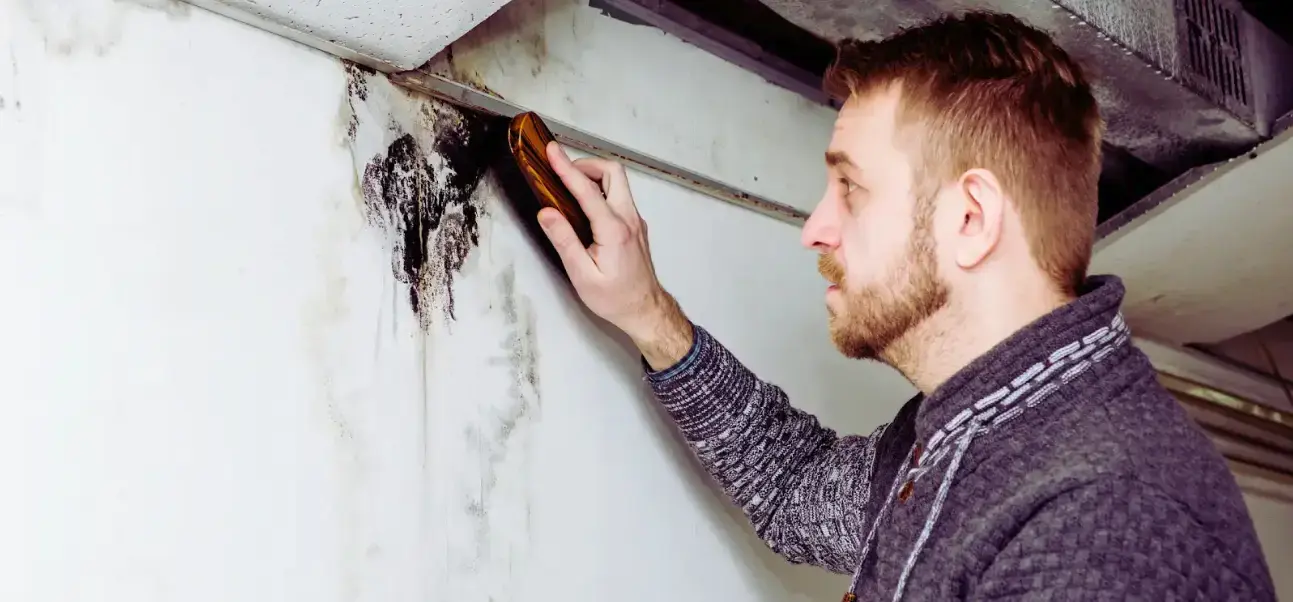
A bathroom exhaust vent should move humid air outside quickly enough that mirrors, walls, and ceilings begin drying after a shower. When airflow becomes weak, moisture stays trapped longer, increasing condensation and creating conditions where mildew or mold can develop.
A blocked bathroom vent doesn’t always mean the fan itself has failed. Dust buildup, a clogged grille, a stuck exterior flap, or restricted ductwork can reduce performance.
Start With the Most Common Airflow Restrictions
Dust is often the easiest problem to spot. Over time, the vent grille collects lint and particles that reduce the open area through which air can pass.
Turn the fan off before removing the cover. Clean the grille with mild soap and water, let it dry completely, and vacuum loose dust around the fan housing without disturbing wiring.
People comparing home maintenance ideas across household reading topics may find many possible fixes, but beginning with visible restrictions keeps troubleshooting simple and inexpensive.
Check Whether the Fan Is Actually Pulling Air
Hold a single sheet of toilet paper near the grille while the fan is running. A working system should noticeably pull the paper toward the vent.
Weak suction after cleaning suggests the restriction may be farther inside the duct or the fan motor may no longer be moving enough air.
Inspect the Duct Path Before Replacing the Fan
Bathroom fans commonly connect to flexible or rigid ductwork leading through an attic, wall, soffit, or roof. Crushed flexible duct, excessive bends, disconnected sections, and debris can all reduce airflow.
Homeowners browsing practical content ideas sometimes encounter advice to immediately install a stronger fan. That can miss the real problem. A larger fan cannot perform properly when the duct path remains restricted.
| Airflow Problem | Typical Sign | Useful Check |
|---|---|---|
| Dirty grille | Weak suction | Remove and clean cover |
| Restricted duct | Fan runs but moisture lingers | Inspect accessible duct |
| Exterior flap stuck | Little outside airflow | Check termination vent |
| Aging fan | Noise with poor airflow | Inspect motor and housing |
Check the Exterior Vent Termination
The duct should discharge outdoors rather than into an attic or enclosed ceiling space. At the exterior termination, a damper or flap normally opens when the fan runs.
Paint, dirt, insect nests, lint, or physical damage can keep that flap partly closed. Broader everyday headlines may offer countless household tips, but this small exterior component is easy to overlook during bathroom ventilation troubleshooting.
Use care around roof-mounted vents. If the termination cannot be reached safely from the ground or a stable working position, leave inspection to a qualified professional.
Reduce Moisture While You Fix the Airflow
Ventilation problems become more noticeable when long showers produce large amounts of steam. Running the exhaust fan during the shower and leaving it on afterward can help remove lingering humidity.
Opening the bathroom door after showering may also allow drier household air to circulate. Wiping heavy condensation from windows, tile, and painted surfaces reduces the amount of moisture that must evaporate.
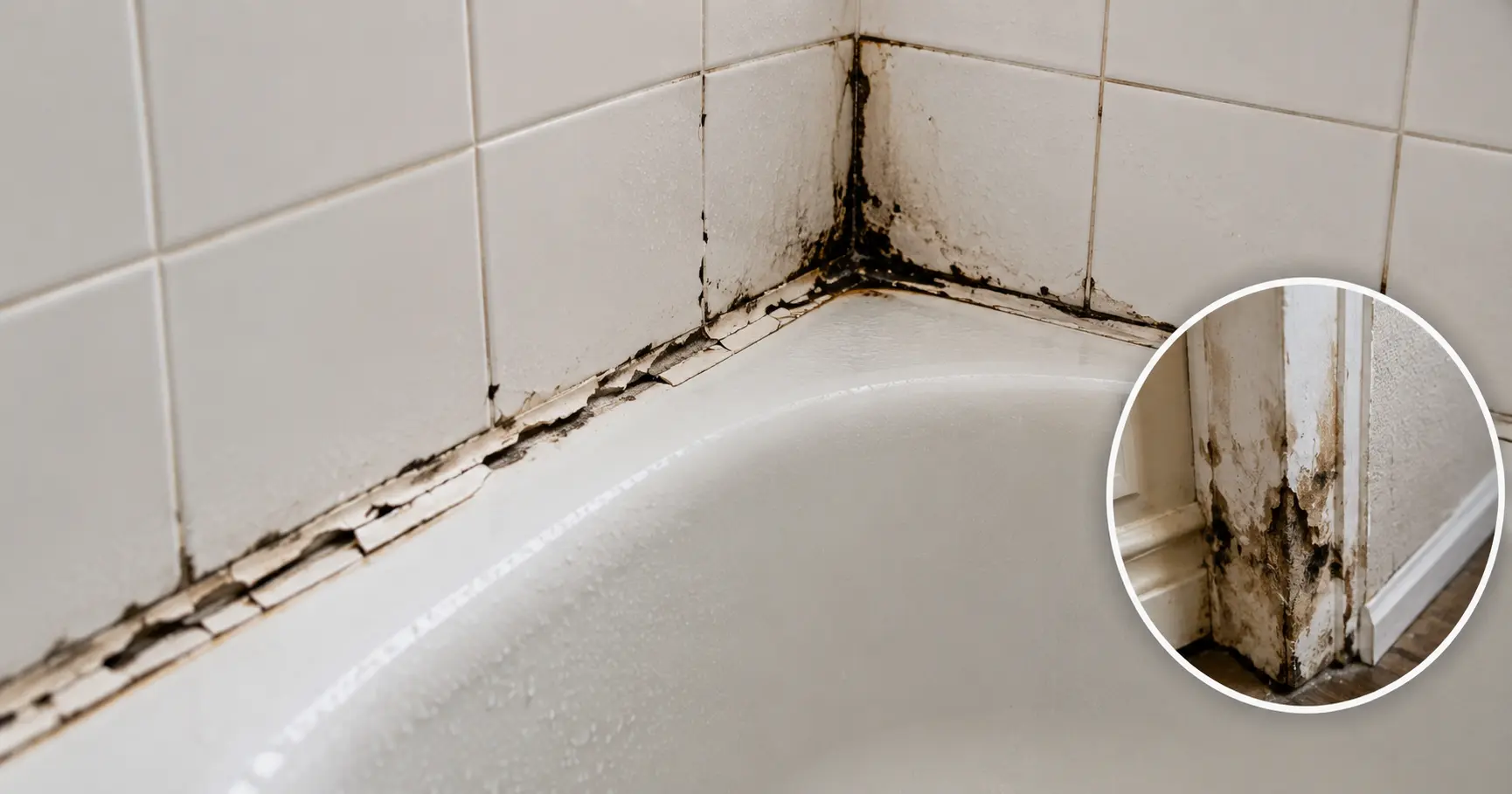
If staining has already appeared, improving airflow remains important, but ventilation alone does not remove established mold growth or repair moisture-damaged materials.
Mistakes That Can Make the Problem Worse
One common mistake is assuming louder means stronger. A noisy fan may have worn bearings, an obstructed blower wheel, or vibration without moving much air.
Another mistake is venting bathroom exhaust into an attic because it seems easier than reaching an exterior wall or roof. That simply moves moisture into another part of the building, where condensation may affect insulation, wood, or roof components.
Avoid pushing tools deep into concealed ducts without knowing their route. Flexible ducting can tear or disconnect.
Frequently Asked Questions
Why is my bathroom fan running but not pulling air?
The grille may be dirty, the duct may be restricted, or the outside damper may not be opening fully. Fan motor wear can also reduce airflow even though the motor still makes noise.
How can I tell whether my bathroom vent is clogged?
Start by cleaning the grille and checking suction at the fan. If airflow remains weak, inspect accessible duct sections and confirm that air is reaching the outdoor termination.
Should a bathroom exhaust fan vent into the attic?
Bathroom exhaust should normally discharge outdoors. Releasing warm, humid air into an attic can create condensation and moisture problems around insulation, framing, and roof materials.
Restore the Air Path Before Upgrading Equipment
Treat weak ventilation as an airflow problem before treating it as a fan-shopping problem. Clean the grille, verify suction, inspect accessible ductwork, and make sure the exterior damper opens freely.
If the duct is clear but performance stays poor, then evaluating the fan itself makes sense. Fixing the restriction first gives any existing or replacement fan a better chance of keeping the bathroom dry.










Leave a Reply