

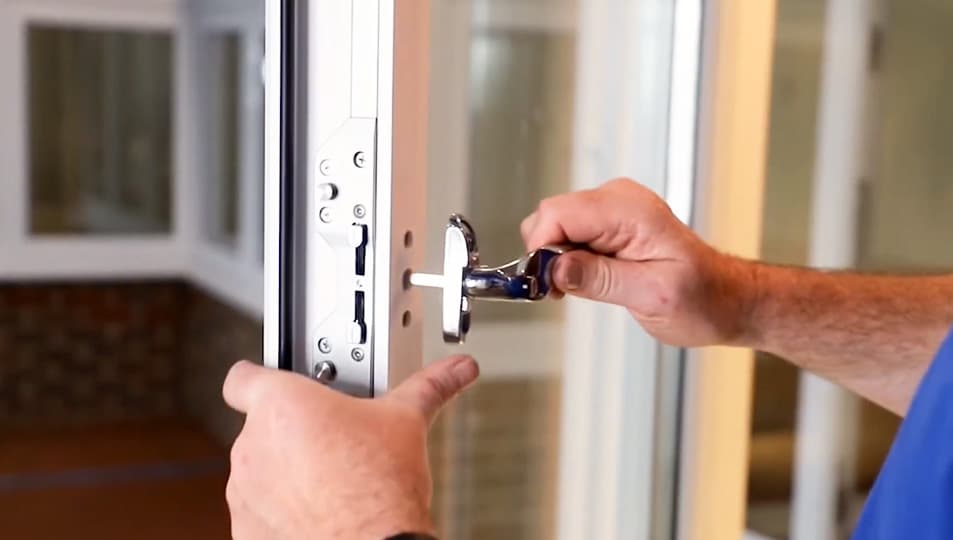
A window lock that wiggles, misses its keeper, or refuses to close firmly can weaken security and allow drafts or rattling. Loose window locks often come from ordinary hardware movement rather than a completely failed window. A careful inspection, small alignment changes, and properly tightened screws can restore a firm lock without turning the job into a major repair.
Why Window Locks Become Loose
Repeated opening and closing can slowly loosen screws or shift the lock and keeper out of alignment. Seasonal expansion, frame movement, worn screw holes, or years of pulling the sash against the latch can also change how the parts meet.
Test the window while watching the lock closely. If the latch reaches the keeper but sits slightly high, low, or sideways, alignment is probably the main issue. If the handle itself moves while its mounting plate remains still, the lock mechanism may be worn.
Start With a Careful Hardware Inspection
Close the window fully before adjusting anything. Check every visible screw, the keeper plate, the latch body, and the surrounding frame for cracks or obvious movement.
Use a screwdriver that properly fits the screw head. General home maintenance reading can offer useful ideas, but the condition of the actual window should determine what needs adjustment. Avoid forcing a screw that feels stripped because excessive tightening can damage the frame.
Check Whether the Sash Is Sitting Square
A lock cannot compensate for a window that no longer closes evenly. Look at the gaps around the sash and compare the top, bottom, and sides.
If one corner remains noticeably farther from the frame, inspect hinges, tracks, rollers, or balances before moving the lock. Correcting the underlying fit often makes the latch line up again.
Tighten and Realign the Lock
Start with loose screws. Tighten them gradually while holding the lock in its original position, then close the window and test the latch.
When the latch still misses slightly, loosen the keeper plate enough to move it a small amount. Practical household improvement topics can help homeowners understand common repairs, but alignment should be adjusted in tiny increments. Move the keeper, retighten it, and test again before making another change.
| Problem | Likely Cause | First Move |
|---|---|---|
| Lock wiggles | Loose screws | Tighten mounting screws |
| Latch misses keeper | Misalignment | Reposition keeper slightly |
| Screw won’t tighten | Worn screw hole | Repair mounting point |
| Handle binds | Worn or distorted hardware | Inspect or replace lock |
Know When Hardware Needs Replacement
A lock that remains loose after proper tightening may have worn internal parts or damaged mounting holes. Replacement is usually more sensible when the latch is cracked, badly corroded, bent, or unable to hold tension.
Compare the old lock’s dimensions and screw spacing before buying new hardware. Broader practical repair resources may introduce maintenance ideas, but matching the window type matters more than choosing a lock by appearance alone.
If screw holes have become enlarged, repair them using a method appropriate for the frame material. Wood, vinyl, aluminum, and composite windows require different approaches.
Common Mistakes That Make the Problem Worse
One mistake is tightening every screw as hard as possible. That can strip wood, distort softer frames, or make the mechanism bind instead of improving security.
Another is moving the keeper before checking whether the window closes correctly. A misaligned sash may continue shifting, leaving the newly positioned lock out of alignment again. The lock should finish the closing action, not pull a poorly fitting window into place.
Frequently Asked Questions
Can a loose window lock be tightened without replacing it?
Yes. If the lock and keeper are still intact, tightening mounting screws or making a small alignment adjustment may restore normal operation. Replacement becomes more likely when parts are cracked, badly worn, bent, or unable to stay secure.
Why does my window lock keep becoming loose?
Repeated use, frame movement, worn screw holes, or a sash that closes unevenly can repeatedly place stress on the hardware. Finding the underlying cause is more effective than tightening the same screws every few weeks.
Should a window lock pull the window tightly closed?
It may apply some final closing pressure, but it shouldn’t need excessive force. If you have to pull hard on the latch, check the sash, tracks, hinges, weatherstripping, or alignment before assuming the lock needs stronger hardware.
Make the Window Secure Again
Treat a loose lock as an alignment problem first and a replacement problem second. Check how the window closes, tighten hardware carefully, and make only small adjustments between tests. If the frame is damaged or the sash remains badly misaligned, repairing that issue is more important than forcing the latch to work. A lock should close smoothly and hold firmly without excessive pressure.












Leave a Reply