

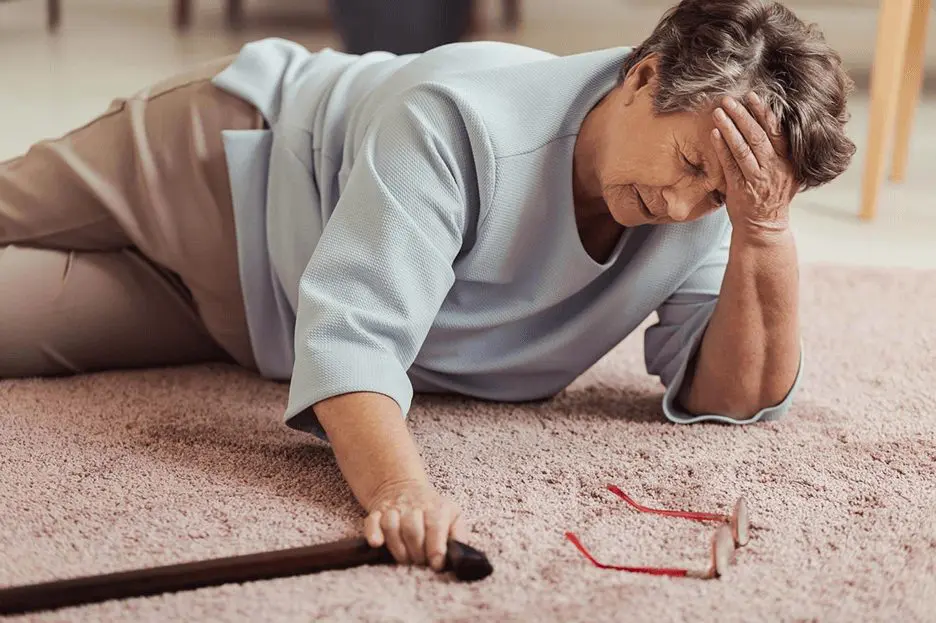
A rising risk of falls is not something to dismiss as an unavoidable part of getting older. Changes in leg strength, vision, balance, medications, footwear, and the home environment can all affect stability. Improving balance while removing everyday hazards can make walking and routine activities safer without turning the home into a restrictive space.
Why Can Fall Risk Increase?
Fall risk often develops from several small changes rather than one obvious problem. Weaker muscles may make it harder to recover after a stumble, while reduced vision or slower reactions can make obstacles more difficult to notice.
Certain medicines may also contribute to dizziness or sleepiness in some people. Because several factors can overlap, looking at the whole pattern is more useful than blaming age alone.
Notice Changes During Ordinary Tasks
Pay attention to difficulty rising from a chair, stepping onto a curb, turning quickly, or walking across uneven ground. Holding furniture more often or avoiding stairs can also signal declining confidence or stability.
These observations can help a clinician understand when and where problems occur.
Build Balance Into Regular Movement
Balance improves through appropriate practice rather than simply trying to “be more careful.” Exercises involving controlled standing, weight shifting, and leg strengthening may support steadier movement when matched to a person’s abilities.
People exploring general wellness reading online may encounter many exercise ideas, but unfamiliar movements should be judged against current strength, medical conditions, and fall history rather than copied automatically.
Walking can support general activity, but it does not challenge balance in exactly the same way as targeted exercises.
Make the Home Easier to Move Through
A safer home provides clear walking paths and predictable support. Loose rugs, electrical cords, clutter near beds, poorly lit stairs, and slippery bathroom floors can create hazards even for someone who usually walks confidently.
Broader healthy living resources can be useful for generating household ideas, although individualized safety decisions are better based on the person’s actual mobility and home layout.
| Home Issue | Possible Problem | Practical Change |
|---|---|---|
| Loose rugs | Foot may catch or slide | Secure or remove them |
| Dim hallways | Obstacles are harder to see | Improve lighting |
| Slippery bathroom | Poor footing when wet | Add stable nonslip surfaces |
| Unstable furniture | Unsafe support | Use secure handholds |
Frequently used items should also be stored where they can be reached without climbing on chairs or stretching into unstable positions.
Judge Online Advice With Care
Fall-prevention information can range from sensible home adjustments to exercise routines that are too demanding for some people. General health education pages can be part of broader reading, but they should not replace evaluation when balance has noticeably changed.
A useful rule is simple: advice should fit the person’s actual abilities. Someone who becomes dizzy when standing or has recently fallen needs a different approach from someone who only wants to maintain balance.
What People Often Get Wrong
One mistake is assuming that avoiding movement is the safest response to increasing fall risk. Excessive inactivity can allow strength and confidence to decline further, potentially making everyday movement harder.
The opposite extreme is also risky. Challenging balance without stable support or appropriate supervision may increase the chance of falling. Prevention works best when activity progresses gradually while environmental hazards, vision concerns, footwear, and medication effects are considered together.
When Should You Get Medical Help?
Talk with a health professional if falls are recurring, balance is worsening, dizziness is frequent, or walking has changed without a clear explanation. The CDC’s fall-prevention guidance recommends discussing fall risk and medicines with a health care provider and addressing strength, balance, vision, and home hazards.
Seek urgent medical attention for a fall involving serious injury, loss of consciousness, sudden weakness, new difficulty speaking, severe chest symptoms, or another sudden neurological change.
Frequently Asked Questions
Can better lighting actually reduce fall hazards?
Good lighting can make stairs, changes in floor level, furniture edges, and objects in walking paths easier to see. Pay special attention to entrances, bathrooms, hallways, and routes used at night.
Should someone who has fallen stop exercising?
Not automatically. Appropriate physical activity may support strength and balance, but the exercise type should fit the person’s abilities and medical situation. A recent unexplained fall may justify professional evaluation before starting challenging movements.
Are walking aids useful for preventing falls?
A correctly selected and fitted cane or walker may improve stability for some people. Using the wrong height or technique can create problems, so professional fitting and instruction may be worthwhile.
Make Prevention Part of Daily Life
Fall prevention works better as a collection of small habits than as a single major change. Keep walking routes clear, maintain appropriate activity, notice new balance problems, and review possible contributing factors rather than waiting for another fall. If stability continues to decline, arrange an evaluation so the cause and safest next steps can be considered.
This article is for general informational purposes and is not a substitute for professional medical advice, diagnosis, or treatment.







Leave a Reply