

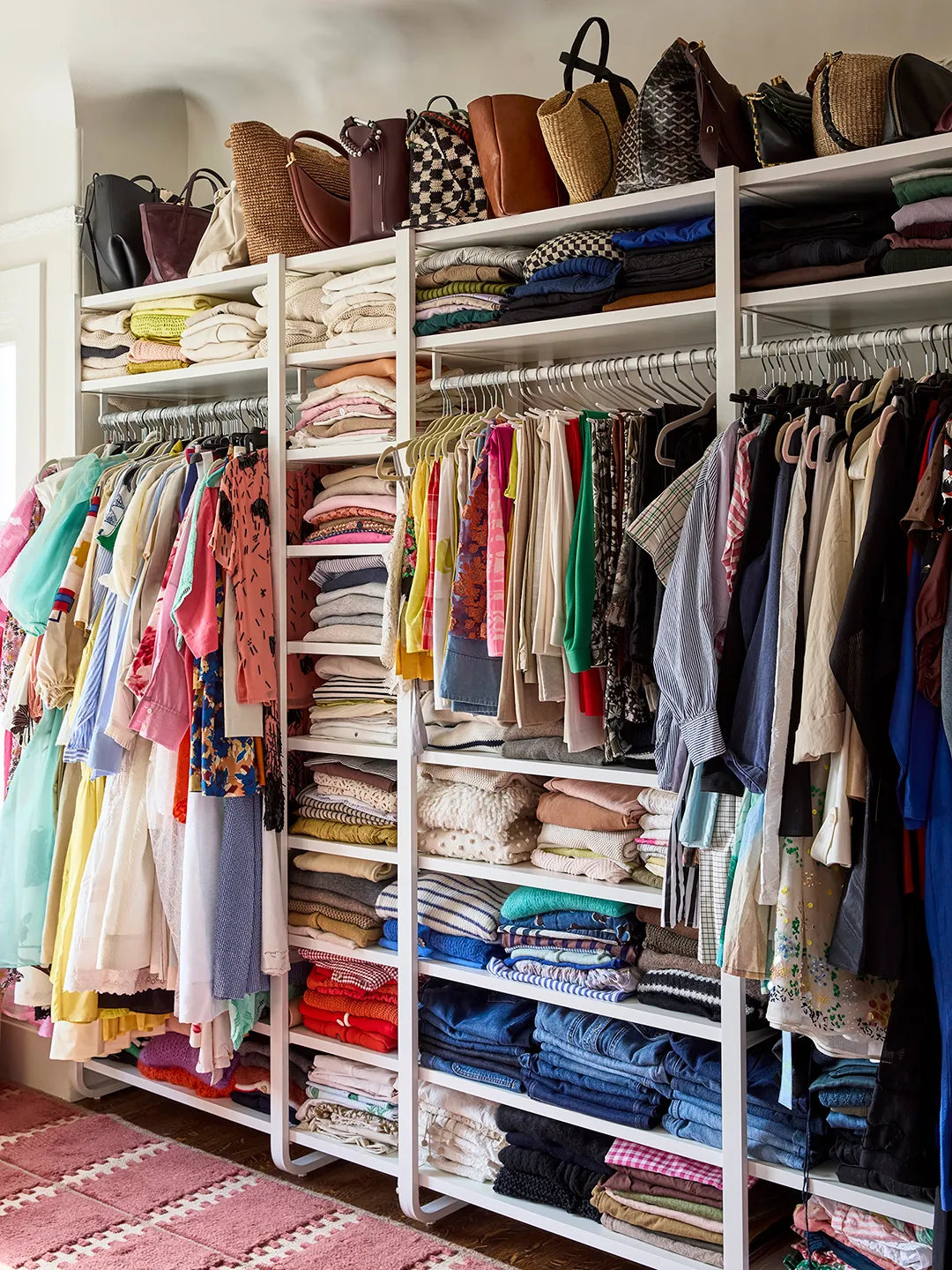
A crowded closet often has more usable space than it seems. The real problem is usually poor placement, wasted vertical room, and storage methods that hide what you already own. With a few adjustments, you can create noticeably more room without tearing out walls, replacing shelving, or starting an expensive renovation.
The goal isn’t to squeeze everything tighter. It’s to make each section of the closet serve a clear purpose.
Start by Removing What Steals Useful Space
Take everything out of one closet section instead of emptying the entire room at once. Separate clothing into items you wear regularly, seasonal pieces, special-occasion clothing, and things that haven’t been used in a long time.
Unused hangers, empty boxes, oversized packaging, and forgotten shopping bags can consume surprising amounts of room. Looking at broader home organization ideas can also encourage you to treat storage as a system rather than a collection of containers.
Decide What Deserves Closet Space
Closet space should go first to items that benefit from being protected, hung, or kept close at hand. Bulky luggage, rarely used equipment, and long-term keepsakes may work better elsewhere.
Once low-priority items leave, the closet becomes easier to organize without buying anything.
Use the Vertical Space You Already Have
Many closets waste the area between the highest shelf and the ceiling. Lightweight storage bins can turn that dead zone into practical seasonal storage.
The lower half of a closet is often underused too. A low shelf, narrow drawer unit, or second hanging rail can make small-space storage planning more effective without changing the permanent structure.
| Problem Area | Simple Adjustment | Useful For |
|---|---|---|
| High shelf | Labeled bins | Seasonal items |
| Empty floor | Low shoe rack | Footwear |
| Long hanging gap | Second rail | Shirts and pants |
| Shelf gaps | Stackable dividers | Folded clothing |
Group Similar Items Instead of Filling Every Gap
Random placement wastes space because every opening becomes temporary storage. Group shirts with shirts, shoes with shoes, bags with bags, and folded items by type.
Uniform categories also make empty space easier to see. Browsing practical household layouts can reinforce the value of assigning fixed zones rather than repeatedly shifting clutter from one shelf to another.
Keep Everyday Items in the Easy Zone
The most convenient shelves and hanging areas should hold what you use most often. Seasonal clothing can move higher, while rarely used accessories can go toward the sides.
This simple priority system reduces digging and keeps the organized layout intact longer.
Choose Storage Pieces That Add Capacity
Storage products aren’t automatically helpful. A wide drawer tower can consume more closet volume than the clothing it holds.
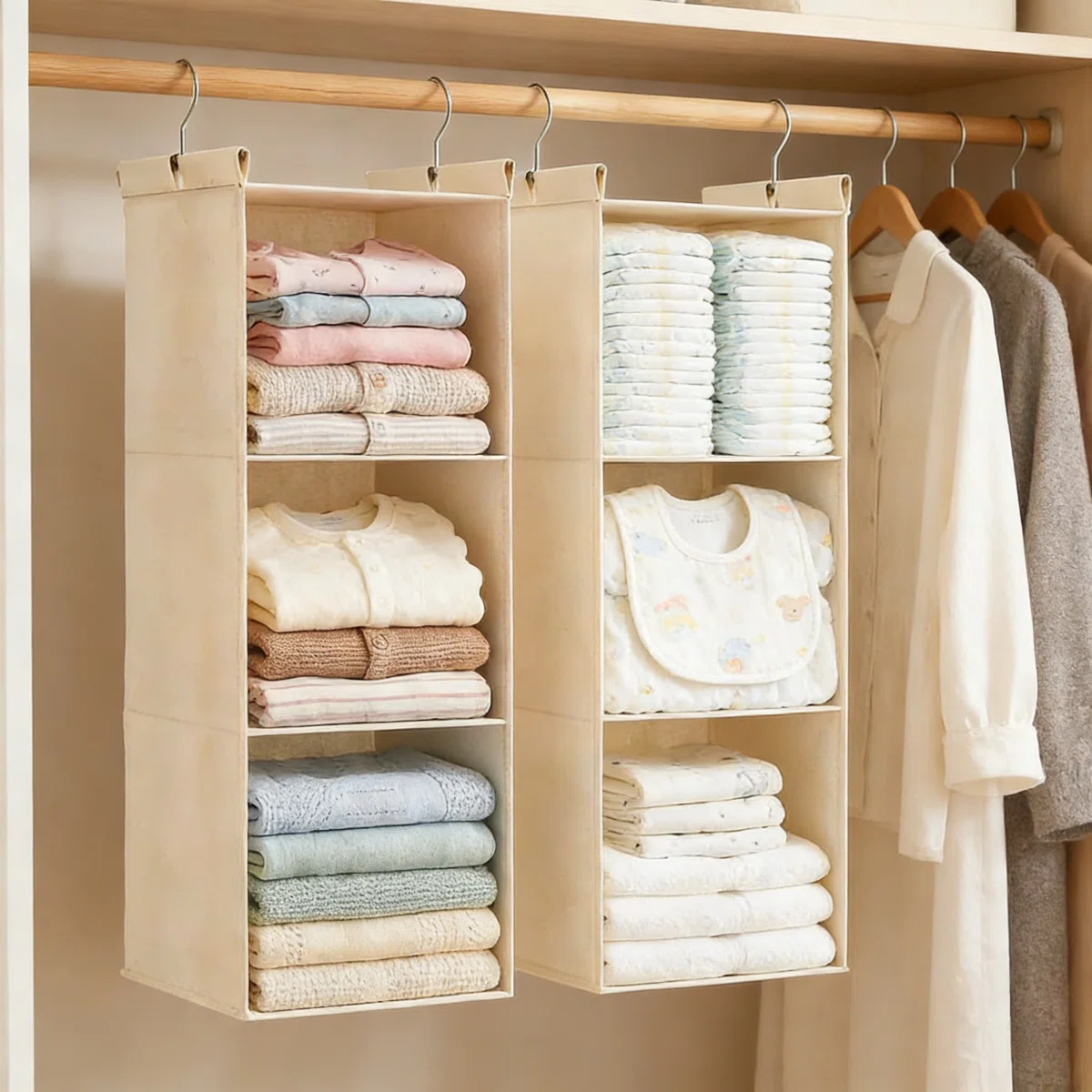
Slim hangers, shelf dividers, hanging organizers, stackable shoe racks, and shallow bins usually work better because they add structure without swallowing large areas. Measure before buying anything, especially around doors and hanging garments.
Where Closet Organization Commonly Fails
One mistake is filling every shelf immediately after decluttering. Empty space isn’t wasted space. It gives you room to remove an item without disturbing everything around it and provides capacity for future needs.
Another problem is buying organizers before sorting possessions. A container may make clutter look neat without reducing it. Organize the contents first, then buy only the pieces that solve a specific storage problem.
Frequently Asked Questions
How can I make a small closet hold more clothes?
Use slim hangers, take advantage of upper shelving, add a second hanging rail where garment length allows, and move rarely used items elsewhere. Creating defined zones usually increases usable capacity more effectively than packing clothes tightly.
Should I fold or hang clothes in a crowded closet?
Hang garments that wrinkle easily or benefit from maintaining shape. Fold sweaters, casual shirts, jeans, and similar items when shelf or drawer space is available. The best choice depends on which storage area has more unused capacity.
Are closet door organizers worth using?
They can be useful for shoes, accessories, scarves, cleaning supplies, or other lightweight items. Check door clearance first. An organizer that prevents the door from closing properly creates more inconvenience than useful storage.
Make Every Closet Zone Earn Its Space
A larger-feeling closet doesn’t require remodeling. Remove low-value clutter, use neglected vertical areas, group similar belongings, and add organizers only where they create measurable capacity. Leave a little open space instead of filling every inch. A closet works best when you can find, remove, and return everyday items without reorganizing everything around them.












Leave a Reply