

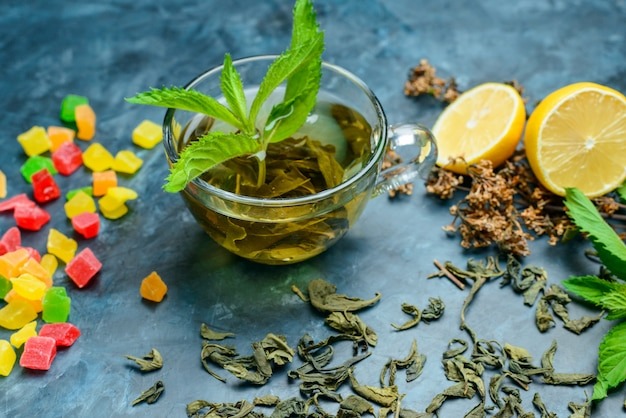
Herbal smoking products are often marketed as alternatives to traditional tobacco products, but understanding their ingredients is important before using them. Green tea herbal smokes may contain a mixture of dried plant materials selected for their aroma, texture, or burning characteristics. Although these products may not contain tobacco or nicotine, burning and inhaling plant material can still produce smoke and potentially harmful substances.
1. Green Tea Leaves
Green tea leaves are one of the main ingredients commonly associated with these products. They come from the Camellia sinensis plant and are traditionally used to prepare beverages. When dried, the leaves can be incorporated into herbal smoking mixtures.
Green tea naturally contains compounds such as caffeine and antioxidants, although the effects of these compounds can differ significantly when plant material is burned rather than consumed as a drink.
2. Other Dried Herbs
Some green tea herbal smokes may contain additional dried herbs to create a particular aroma, taste, or texture. Ingredients can vary between manufacturers and products, so consumers should read the packaging carefully.
Herbs may include different leaves, flowers, or other botanical materials. The presence of a natural ingredient does not automatically mean that inhaling its smoke is harmless.
3. Natural Flavoring Ingredients
Flavoring ingredients may be added to some herbal smoking products to change their smell or taste. These can include botanical extracts, aromatic herbs, or other plant-based ingredients.
However, an ingredient that is suitable for food or beverages is not necessarily safe to inhale after combustion. Consumers should therefore avoid assuming that natural or food-grade labeling guarantees respiratory safety.
4. Binding and Processing Materials
Depending on how a product is manufactured, small amounts of processing or binding materials may be used to help maintain the shape and consistency of the smoking product. The exact ingredients can differ between brands.
Checking the product label is important because ingredient lists provide more useful information than general descriptions such as “natural,” “herbal,” or “tobacco-free.”
5. Understanding Combustion
It is important to understand that the health considerations involve more than the ingredients themselves. When dried plant material is burned, combustion creates smoke containing various chemicals and fine particles.
Green tea herbal smokes can therefore still expose the lungs and airways to substances produced during burning. Removing tobacco or nicotine does not eliminate the potential risks associated with inhaling smoke.
6. Check Labels Carefully
Consumers should review the complete ingredient list before purchasing any herbal smoking product. Look for clear information about the plants used, added flavorings, processing materials, and manufacturer.
If the packaging does not provide adequate ingredient information, it may be difficult to understand exactly what is being inhaled. People with respiratory concerns should also consider discussing exposure to smoke with a qualified healthcare professional.
Final Thoughts
Understanding the ingredients in herbal smoking products is important because “herbal” does not necessarily mean risk-free. Green tea, additional botanicals, flavoring ingredients, and processing materials may all contribute to a product’s composition, while combustion creates additional substances in the smoke. Green tea herbal smokes should therefore not automatically be considered a harmless alternative simply because they are marketed as tobacco-free.














Leave a Reply