

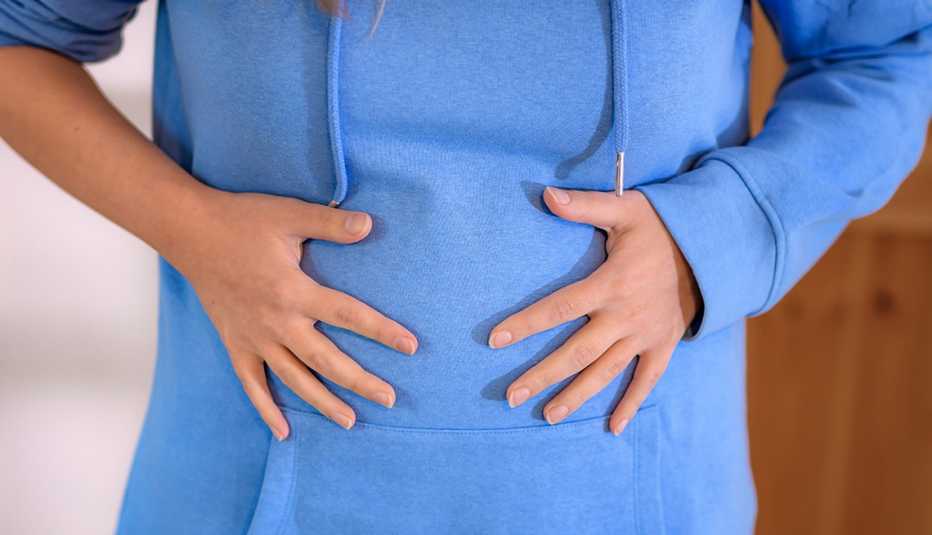
Frequent stomach bloating can make an ordinary meal feel much larger than it was. Eating smaller portions, slowing down, and noticing which foods repeatedly trigger symptoms may reduce discomfort without turning every meal into a restrictive diet.
Bloating often occurs with gas, but the sensation of abdominal fullness does not always mean an unusually large amount of gas is present. NIDDK notes that gas symptoms commonly include bloating, distention, belching, and passing gas.
Why Can Large Portions Increase Bloating?
A large meal puts more food into the digestive tract at one time. For someone already prone to fullness or gas, that extra volume can make abdominal pressure more noticeable.
Eating quickly can add another problem because more air may be swallowed during the meal. NIDDK recommends eating more slowly and notes that smaller, more frequent meals may help some people experiencing excess gas symptoms.
People comparing digestive habits may encounter general wellness reading while trying to understand how portion size, meal pace, and everyday routines affect how they feel. Such material can provide general context, but persistent symptoms deserve evidence-based medical guidance.
Smaller Does Not Mean Tiny
Reducing portion size does not require eating inadequate meals. A practical approach is to start with a moderate amount, eat slowly, and decide later whether you are still hungry.
That strategy gives fullness signals more time to develop. It can also make it easier to identify whether discomfort comes from the amount eaten, a particular food, or something unrelated to the meal itself.
Pay Attention to Food Patterns
Certain carbohydrates can reach the large intestine without being fully digested, where bacteria break them down and produce gas. Lactose intolerance and other carbohydrate-digestion problems can therefore cause bloating in some people.
Keeping brief notes about meals and symptoms can reveal patterns. People also encounter digestive lifestyle topics while reading about everyday food habits, although online material should not be used to diagnose the cause of recurring bloating.
| Pattern | What You May Notice | Useful Response |
|---|---|---|
| Large meals | Tight fullness afterward | Try a smaller serving |
| Fast eating | Burping and pressure | Slow the meal pace |
| Specific foods | Repeated bloating pattern | Record the trigger |
| Fizzy drinks | More gas sensation | Reduce and compare |
Change One Habit at a Time
Changing five foods at once makes it difficult to know what actually helped. A cleaner experiment is to adjust one factor, such as portion size or carbonated drinks, and observe the pattern over several meals.
People browsing general health articles may find many different explanations for digestive discomfort. Treat those as general reading rather than proof that one ingredient or eating style is responsible for your symptoms.
What People Often Misread About Bloating
A swollen or uncomfortable abdomen does not automatically mean you overate. Bloating can occur with gas, constipation, functional digestive disorders, lactose intolerance, and other conditions.
It is also possible to feel significant bloating without obvious visible distention. That is why constantly cutting portion sizes may miss the real issue. Look for timing, associated bowel changes, repeated trigger foods, and whether symptoms continue despite reasonable meal adjustments.
When Should Bloating Be Medically Evaluated?
Talk with a health professional if bloating is frequent, suddenly changes, interferes with daily life, or occurs with abdominal pain, constipation, diarrhea, or unexplained weight loss. NIDDK specifically advises medical discussion when gas symptoms become bothersome or appear with these additional symptoms.
More severe or rapidly worsening symptoms should not be managed only by changing portion sizes. A clinician can consider whether another digestive condition may be contributing.
Frequently Asked Questions
Can eating too quickly cause stomach bloating?
It can contribute. Eating or drinking quickly may increase swallowed air, which can increase gas-related symptoms. Slowing down also gives you more time to notice fullness before you continue eating.
Should I completely avoid foods that make me bloated?
Not automatically. A repeatable pattern matters more than one uncomfortable meal. Removing many foods without guidance can unnecessarily restrict your diet, so consider discussing persistent food-related symptoms with a clinician or dietitian.
Is bloating after every meal normal?
Occasional bloating can happen, particularly around meals. Bloating that repeatedly bothers you, changes suddenly, or appears with other digestive symptoms deserves medical evaluation rather than being dismissed as ordinary gas.
Make Portion Changes Useful
Start with a modest adjustment instead of dramatically reducing how much you eat. Smaller portions, slower eating, and simple symptom tracking can help reveal whether meal size is genuinely part of the problem. If frequent stomach bloating continues, worsens, or appears with other concerning symptoms, use those patterns as information to discuss with a health professional.
This article is for general informational purposes and is not a substitute for professional medical advice, diagnosis, or treatment.








Leave a Reply