

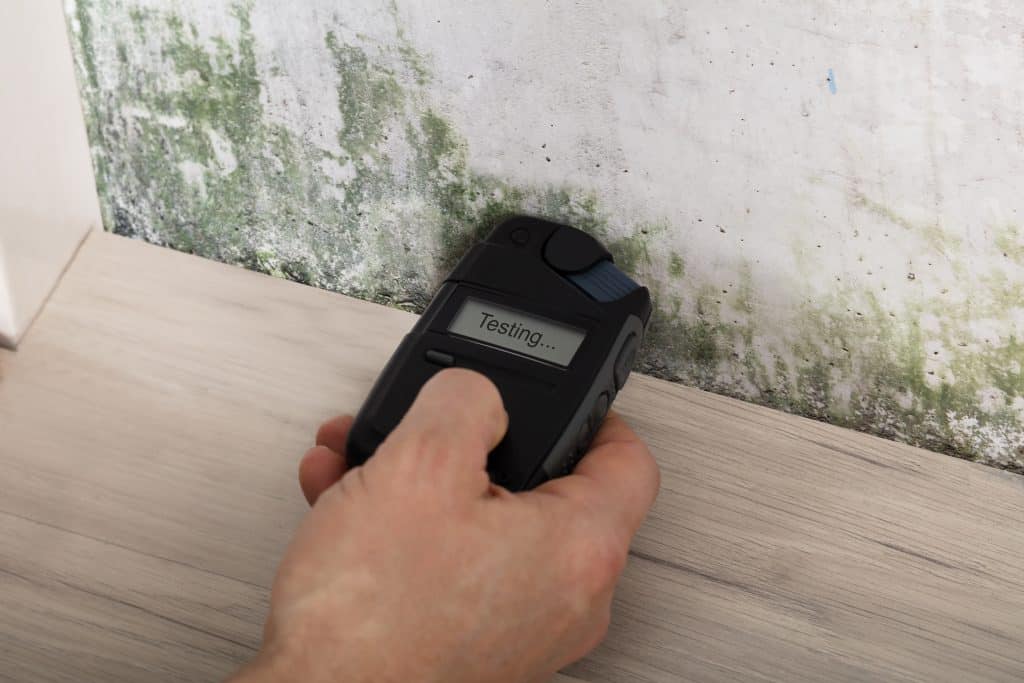
A leaking bathroom pipe can turn a small plumbing problem into damaged drywall, swollen cabinets, stained ceilings, and unwanted moisture surprisingly fast. The smartest response is to stop the water source, dry the affected area, find the exact leak, and repair it before moisture stays trapped inside walls or flooring.
Find the Leak Before It Spreads
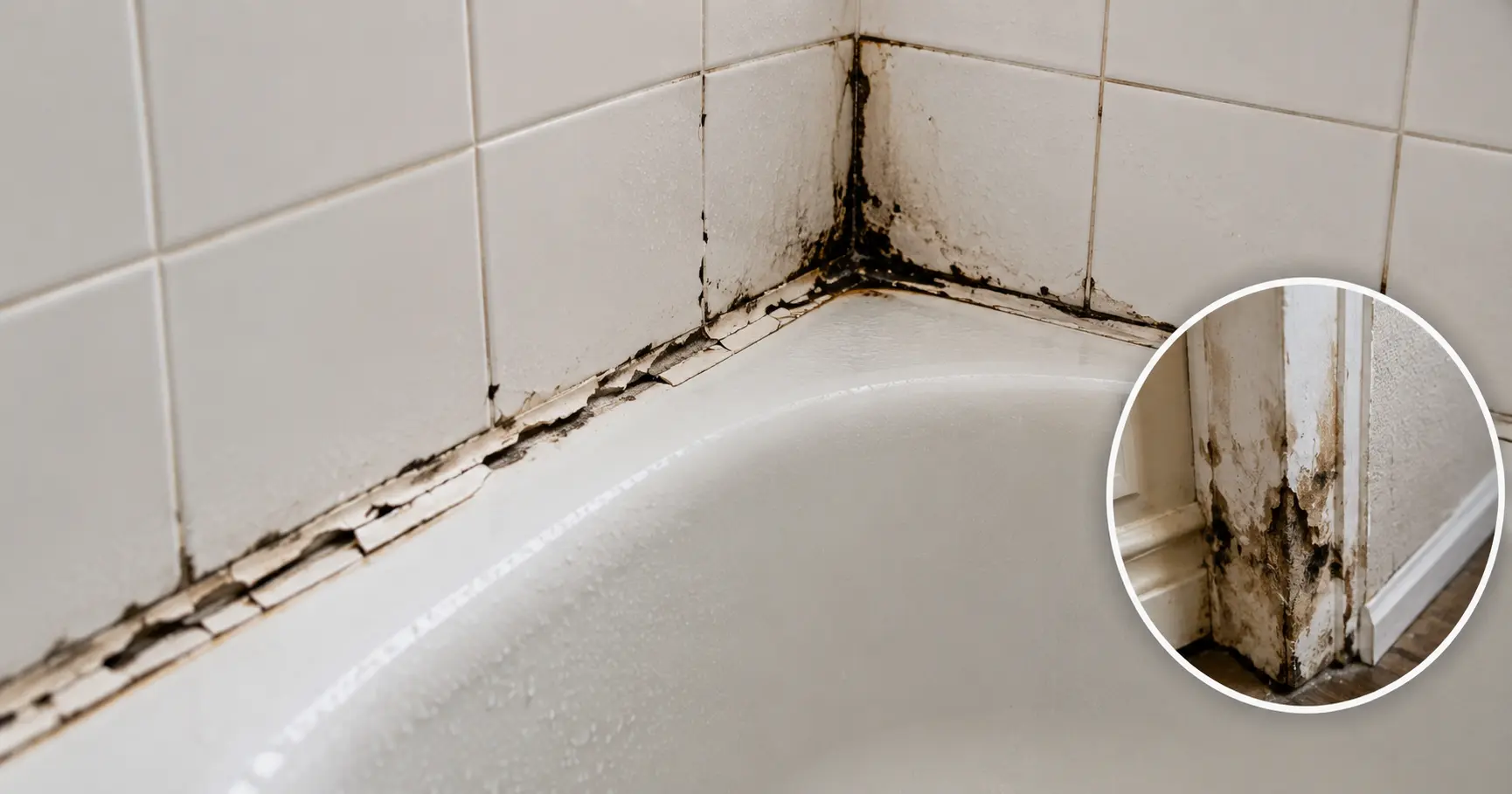
Start by checking visible connections beneath sinks, around toilet supply lines, behind accessible panels, and near shower or tub plumbing. A slow leak may leave only a damp cabinet base, mineral deposits, peeling paint, or a musty smell.
Dry the suspected area completely, then watch for fresh moisture. This simple step helps distinguish an active plumbing leak from old water damage or condensation.
Pay Attention to Hidden Clues
Water doesn’t always appear directly beneath the damaged pipe. It can follow framing, drain lines, or flooring before becoming visible several feet away.
Regularly reviewing home maintenance notes can reinforce a useful habit: treat unexplained moisture as something to investigate rather than something to wipe away and forget.
Stop the Water and Limit Immediate Damage
If water is actively leaking, close the fixture’s local shutoff valve when one is available. For a larger uncontrolled leak, the home’s main water supply may need to be shut off until the damaged connection can be repaired.
Move towels, toiletries, stored paper goods, and wooden items away from the wet area. Standing water should be removed promptly so it doesn’t continue soaking into trim, cabinet materials, flooring, or wallboard.
Discussions across home repair publications may cover many improvement projects, but leak control should come before cosmetic repairs. Painting over a stain won’t fix the source.
| Warning Sign | Possible Issue | Best First Move |
|---|---|---|
| Wet cabinet floor | Supply or drain leak | Dry and inspect connections |
| Ceiling stain | Plumbing above | Trace source before repair |
| Musty odor | Trapped moisture | Check hidden damp areas |
| Peeling paint | Repeated moisture | Find and stop water source |
Dry Materials Instead of Simply Hiding the Stain
Stopping the leak is only half the job. Damp materials need enough airflow and drying time to prevent continuing deterioration.
Open cabinet doors, remove saturated disposable materials, and increase ventilation where practical. A fan or dehumidifier may help in suitable areas, provided electrical equipment can be used safely away from standing water.
Broader practical editorial guides can be useful for household planning, yet bathroom moisture deserves direct attention because enclosed spaces can remain damp long after the visible puddle disappears.
Know When the Repair Is Beyond a Simple Fix
A loose threaded connection or replaceable supply hose may be manageable for someone comfortable with basic household repairs. Problems inside walls, damaged drain assemblies, corroded pipes, recurring leaks, or water reaching electrical components deserve more caution.
If opening a wall or floor is necessary, the visible wet spot shouldn’t determine the entire repair area. Water may have traveled beyond what can be seen from the room.
Mistakes That Allow Small Leaks to Become Bigger Problems
One common mistake is tightening every fitting as hard as possible. Excessive force can damage plastic fittings, deform seals, or create a new crack.
Another mistake is replacing water-damaged finishes before confirming that everything underneath is dry. Fresh paint, new caulk, or a repaired cabinet panel can conceal continuing moisture.
Temporary tape and sealants also have limits. They may slow certain leaks, but they shouldn’t automatically be treated as permanent plumbing repairs.
Frequently Asked Questions
How can I tell if a bathroom pipe is leaking behind a wall?
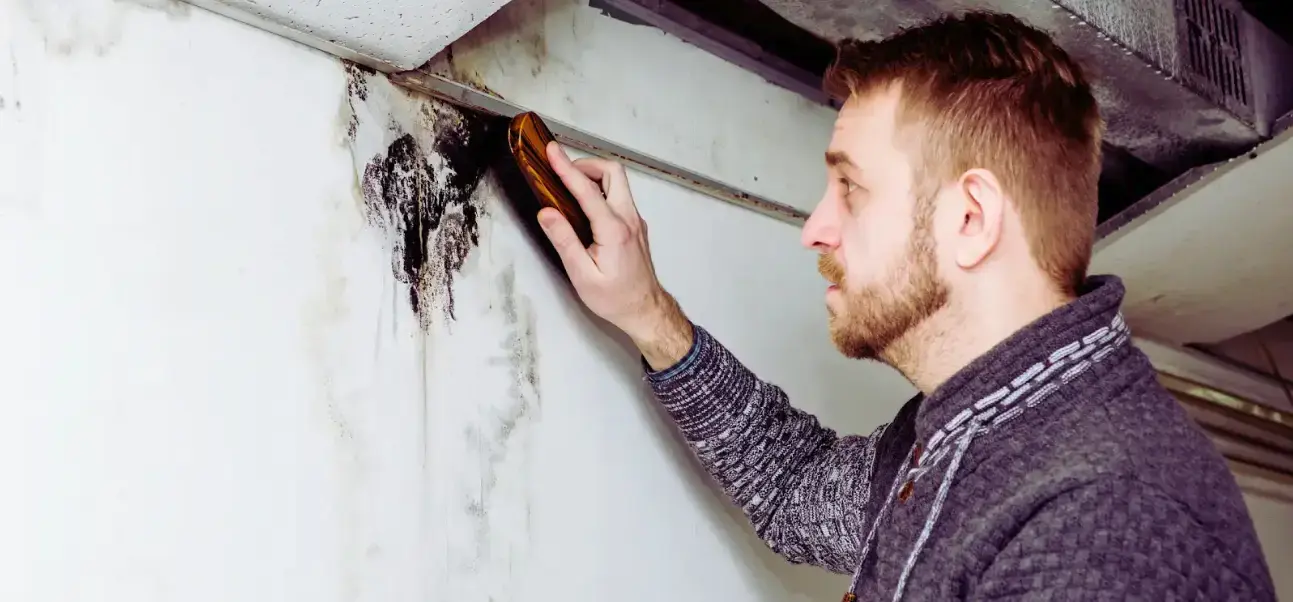
Watch for recurring stains, soft drywall, peeling paint, warped trim, unexplained dampness, or a persistent musty odor. If the signs continue without an obvious surface source, hidden plumbing should be investigated.
Can a small bathroom leak cause major damage?
Yes. A slow leak can repeatedly expose cabinets, drywall, subflooring, or framing to moisture. The amount of water may look minor while the duration of exposure creates the larger problem.
Should I replace drywall after a bathroom pipe leak?
It depends on how wet the drywall became, how long it remained damp, and whether it has softened, deteriorated, or developed contamination. Minor surface moisture may dry successfully, while badly damaged material may require removal.
Fix the Source Before Repairing the Appearance
Treat a bathroom leak as a water-control problem first and a decorating problem second. Stop active flow, identify where the water originates, dry affected materials thoroughly, and replace damaged plumbing rather than repeatedly hiding the symptoms. If the leak is concealed, recurring, or affecting electrical areas or structural materials, bring in a qualified professional before the damage spreads.









Leave a Reply