

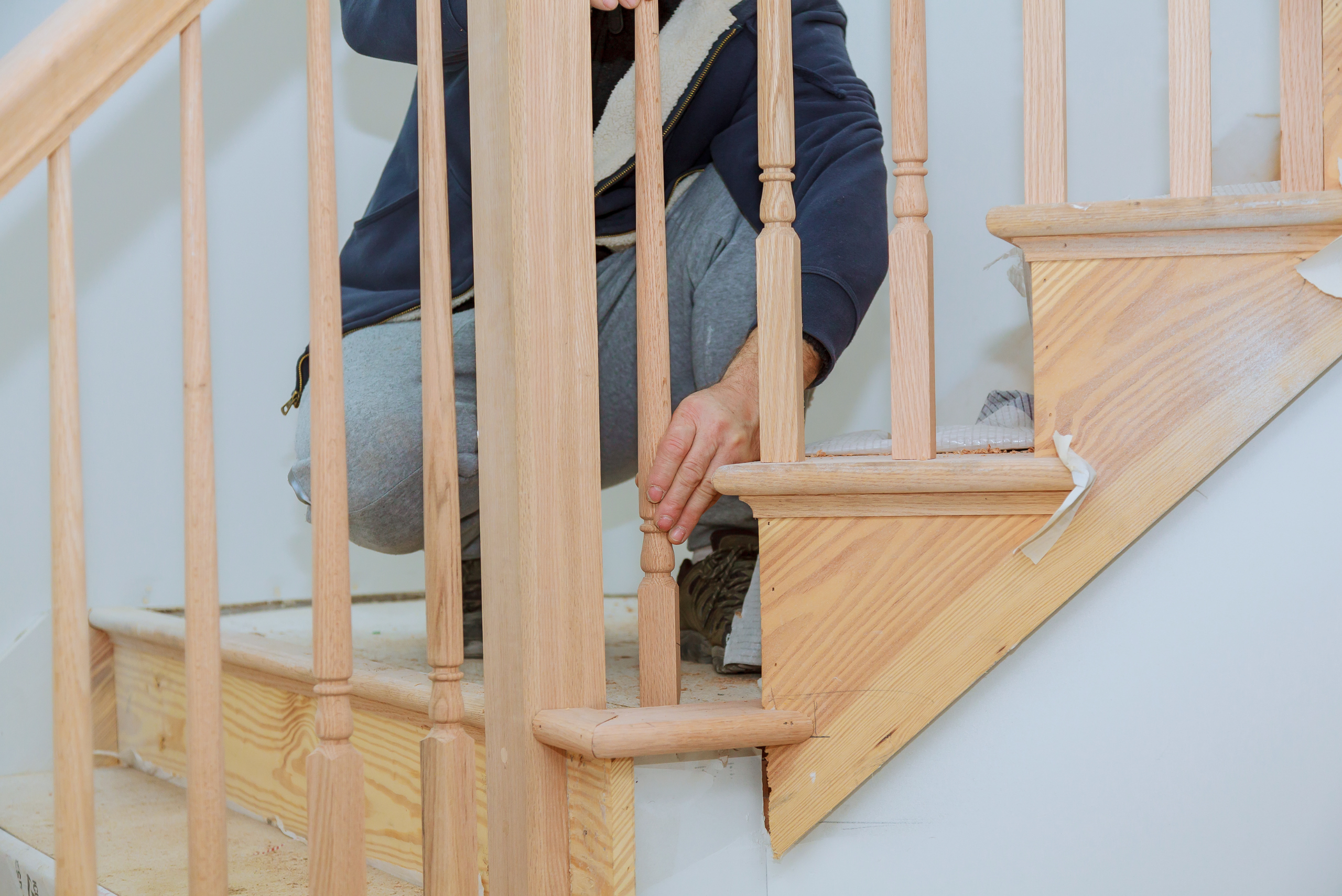
A loose stair rail is more than an annoying household repair. It removes a key point of support exactly where people are already balancing on steps. Tightening visible hardware may solve a minor problem, but movement can also come from damaged brackets, weak wall anchors, cracked wood, or poorly secured posts.
Find Where the Movement Starts
Start by gripping the rail at several points and applying gentle pressure from different directions. Watch the brackets, posts, fasteners, and surrounding material rather than focusing only on where your hand feels movement.
Wooden rails can loosen when screws gradually work free or the material around a fastener becomes damaged. Metal systems may develop movement around brackets, mounting plates, or connections between sections.
People researching household repairs often compare advice across general home safety reading, manufacturer instructions, and building-maintenance references. The important part is identifying what is actually moving before tightening random screws.
Check Fasteners and Supporting Material
A screw that turns easily without tightening may no longer be gripping solid material. Simply replacing it with another screw of the same size may provide only temporary improvement.
Wall-mounted handrails need secure attachment to appropriate structural support. Railings connected to posts also depend on the post itself remaining rigid. Practical maintenance discussions can introduce homeowners to common repair ideas, but the condition of the actual mounting point determines the right fix.
| What Moves | Possible Issue | Better Response |
|---|---|---|
| Wall bracket | Loose fastener | Inspect mounting point |
| Entire post | Weak base connection | Repair structural attachment |
| Rail joint | Loose connector | Tighten or replace hardware |
| Wood around screw | Damaged material | Restore solid fastening area |
Make the Repair Match the Problem
For a simple loose screw that still bites firmly into sound material, careful tightening may restore stability. Avoid overtightening because stripped screw holes or cracked wood can turn a small repair into a larger one.
If the mounting surface is damaged, the fastener repeatedly works loose, or the rail moves despite tightened hardware, the attachment itself needs attention. Broader home repair topics may provide useful background, but rail systems should ultimately be repaired according to their construction and mounting method.
Test the Rail Afterward
Once repairs are complete, apply controlled pressure along the entire length. Check each bracket and connection independently.
A rail that feels solid at one end may still move elsewhere. Repeat the inspection periodically, especially on heavily used stairways.
Common Mistakes That Leave Rails Unsafe
One common mistake is tightening the easiest visible screw and assuming the problem is solved. Movement can travel through a rail, making the loose point feel farther away from its real source.
Another mistake is depending on weak wall anchors where stronger structural attachment is needed. Decorative trim can also hide damaged material. If the rail continues to shift after basic tightening, repeated quick fixes may conceal a larger mounting problem instead of correcting it.
Know When the Repair Needs More Attention
Stop using the rail as dependable support if it moves substantially, separates from the wall, has cracked components, or sits on a visibly unstable post. Limit stair use when practical until the hazard is corrected.
A carpenter, qualified handyman, railing installer, or contractor may be appropriate when structural attachment is unclear. This is especially important for exterior stairs, elevated landings, and railings protecting an open drop.
Frequently Asked Questions
Why does my stair handrail keep becoming loose?
Repeated movement may come from worn fastener holes, weak anchors, movement in the supporting material, or an unstable bracket or post. Tightening the same hardware repeatedly will not correct damaged support.
Can I tighten a loose stair rail myself?
Minor hardware tightening can be a reasonable DIY task when the mounting system is clear and the supporting material is sound. More extensive movement, damaged wood, cracked components, or uncertain structural attachment may require professional repair.
How often should stair rails be checked?
There is no need to follow a complicated inspection schedule. Pay attention whenever movement appears, and occasionally test heavily used rails, especially in homes with children, older adults, exterior stairs, or frequently used staircases.
Fix the Weak Point, Not Just the Symptom
A secure stair rail should feel dependable from one end to the other. Find the exact source of movement, confirm that fasteners connect to sound supporting material, and test every connection after repair. If the rail still shifts or its structural support looks questionable, treat that as a repair problem rather than something to live with.










Leave a Reply