

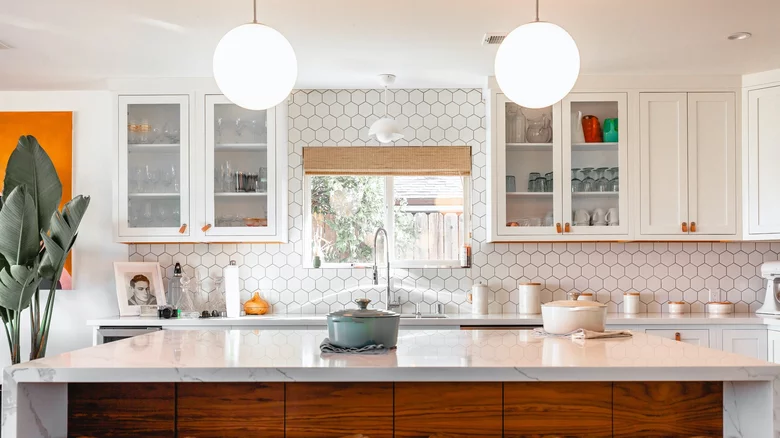
In today’s design and remodeling market, non-porous countertop materials have become a top choice for homeowners, designers, builders, and property developers who want surfaces that combine style, hygiene, and long term value. A countertop is no longer just a place for meal prep or daily tasks. It plays a major role in how a kitchen, bathroom, workspace, or commercial area looks and functions. That is why more decision makers are focusing on materials that can perform well while staying attractive over time.
The growing interest in non-porous surfaces is not just about appearance. It is also about practicality. Busy households, hospitality spaces, healthcare environments, and modern office interiors all need materials that are easier to maintain and better suited for everyday use. A beautiful surface may attract attention at first glance, but real long term satisfaction comes from choosing a material that supports cleanliness, durability, and reliable performance. That is exactly where non-porous countertop materials stand out.
Why Non-Porous Countertop Materials Matter More Today
Material selection has become more strategic than ever. Clients want smart investments, not just trendy finishes. They want surfaces that support cleaner spaces, better maintenance routines, and a polished appearance that does not fade quickly with daily use. In this environment, non-porous countertops have gained a clear advantage.
A porous material can absorb liquids, hold moisture, and become harder to maintain over time. By contrast, non-porous surfaces are designed to resist absorption, making them easier to clean and more suitable for spaces that need dependable hygiene and a neat appearance. This difference may seem small during the buying stage, but it becomes very important once the surface is used every day.
Some of the biggest reasons people choose non-porous materials include:
- Easier cleaning and maintenance
- Better resistance to spills and stains
- More hygienic surface performance
- Consistent appearance over time
- Strong suitability for busy residential and commercial settings
These benefits make non-porous countertops more than a design upgrade. They become a practical solution for modern living.
Non-Porous Countertop Materials Support Cleaner Spaces
One of the most important benefits of non-porous countertop materials is cleanliness. In kitchens, bathrooms, workspaces, and commercial interiors, surfaces are exposed to water, food, oils, cosmetics, and constant touch. A material that resists absorption can help simplify upkeep and create a more dependable user experience.
This is especially valuable in spaces where sanitation matters most, such as:
- Family kitchens
- Bathroom vanities
- Healthcare counters
- Office break rooms
- Hospitality surfaces
- Food service areas
- Retail service counters
A non-porous surface does not easily trap residue beneath the top layer. That can make everyday cleaning faster and more effective. For property owners and facility managers, that means less stress over maintenance and more confidence in the surface over time.
H3: Why Hygiene Is a Design Priority
Modern buyers are paying closer attention to wellness, cleanliness, and practical material performance. This is not limited to healthcare spaces. Even in residential interiors, many people now want surfaces that contribute to a cleaner and more manageable environment.
A countertop that supports easier sanitation can improve the overall appeal of the room. It adds peace of mind while also helping the space feel polished and well considered. In this way, hygiene is no longer separate from design. It has become part of good design.
The Business Value of Choosing the Right Countertop Surface
Countertop materials influence more than visual style. They also affect operating costs, maintenance routines, user satisfaction, and even property appeal. For builders, designers, and investors, surface selection can shape how a finished space is perceived by clients, buyers, and guests.
Non-porous countertop materials often provide better long term value because they combine beauty with practicality. They help reduce maintenance concerns while supporting a high end look that suits many interior styles.
This can be especially useful in:
- Rental properties that need durable finishes
- Hospitality environments with constant guest traffic
- Offices that need clean, modern work surfaces
- Residential remodels where resale value matters
- Commercial spaces where appearance affects brand perception
A surface that looks refined and performs well can strengthen the success of the entire project.
Popular Qualities Found in Non-Porous Countertop Materials
Not all countertop materials perform the same way. When people search for the best surface, they are often comparing appearance first. That makes sense, but performance should carry equal weight. The strongest countertop materials are the ones that support both visual appeal and day to day practicality.
Common qualities buyers look for in non-porous countertops include:
- Smooth, easy to clean finish
- Reliable resistance to moisture penetration
- More consistent stain resistance under normal use
- Better surface hygiene
- Strong fit for both modern and traditional interiors
- A polished and professional appearance
These qualities help explain why non-porous materials continue gaining attention in the design world. They answer real life needs rather than offering beauty alone.
H3: Style and Function No Longer Need to Compete
In the past, some property owners felt forced to choose between a surface that looked elegant and one that was easy to live with. That gap has narrowed. Many non-porous materials now offer a wide range of colors, patterns, and finishes, making it possible to achieve a premium visual effect without taking on unnecessary maintenance challenges.
This balance is one of the biggest reasons these materials remain relevant in 2025 and beyond.
Best Places to Use Non-Porous Countertop Materials
One of the biggest strengths of non-porous surfaces is versatility. They work across many types of spaces because the benefits apply almost everywhere. Any room that sees regular moisture, frequent use, or daily cleaning can benefit from a surface designed to resist absorption.
Popular applications include:
- Kitchen countertops and islands
- Bathroom vanities
- Laundry room worktops
- Office break room counters
- Reception desks
- Food prep and service areas
- Commercial restroom counters
In residential design, these materials help support a cleaner and more manageable lifestyle. In commercial environments, they help maintain professional presentation while reducing upkeep pressure.
A Strong Fit for High-Traffic Environments
High traffic spaces need materials that can handle repeated use without quickly losing their appeal. In places such as hotels, clinics, schools, office buildings, and retail counters, surfaces are used constantly. A non-porous countertop can help maintain a cleaner look even under demanding conditions.
That makes these materials especially attractive to project planners who need a blend of visual value and dependable function.
What to Consider When Selecting a Countertop Material
Choosing a countertop should involve more than finding a nice color. The best material choice depends on how the space will be used, what design direction the room needs, and what maintenance level makes sense for the owner or operator.
Here are a few important things to review before making a decision:
1. Daily Use
Think about how often the countertop will be used and what it will be exposed to. A family kitchen or commercial service counter needs stronger practical performance than a lightly used decorative area.
2. Maintenance Expectations
Some people want a surface that requires as little effort as possible. Non-porous materials are often attractive because they support a simpler care routine.
3. Design Style
The countertop should work with the full room, including cabinets, floors, wall color, and lighting. The best result comes from choosing a surface that supports the overall concept.
4. Long Term Value
A lower maintenance material can save time, preserve appearance, and improve satisfaction over the life of the installation.
5. Application Type
Different spaces need different priorities. A bathroom vanity may focus on moisture resistance and visual softness, while a kitchen island may need a stronger balance of impact and practicality.
A thoughtful choice early in the process can prevent costly regret later.
Why Maintenance Simplicity Matters
A surface may look beautiful in a showroom, but daily life is where its real value is tested. Spills happen. Moisture builds up. Guests visit. Families cook. Employees gather around work surfaces. In these moments, easier maintenance becomes a major benefit, not a small bonus.
Non-porous countertop materials support this by helping property owners reduce the effort needed to keep spaces looking neat and professional. This can be particularly important for:
- Parents managing active households
- Property managers overseeing multiple units
- Business owners maintaining customer facing spaces
- Designers trying to recommend practical solutions
- Builders aiming to deliver long lasting value
A surface that simplifies upkeep can improve the overall experience of the space every single day.
Design Tips for Using Non-Porous Countertop Materials Well
Even the best material needs smart design planning. A countertop should not be chosen in isolation. It should work as part of a full visual strategy that includes lighting, cabinetry, flooring, and the intended mood of the room.
Helpful design tips include:
- View samples in both natural and artificial lighting
- Match undertones with surrounding finishes
- Use bolder patterns in spaces that need a focal point
- Choose softer tones for calm and open interiors
- Balance texture and contrast across the whole room
A well planned surface can make the room feel more complete and more expensive without adding visual clutter. Sometimes the strongest result comes from restraint rather than excess.
Simplicity Often Feels More Premium
Many modern interiors succeed because they avoid unnecessary visual noise. Clean lines, thoughtful contrast, and balanced materials often create a more upscale effect than overly busy design choices. Non-porous countertops work especially well in this kind of environment because they support a neat and polished finish.
That makes them a strong option for projects aiming to feel timeless rather than temporary.
How Non-Porous Surfaces Support Long Term Satisfaction
The best interior materials keep delivering value long after installation day. A countertop should still feel like a good choice months and years later, not just during the first week after a renovation. That is another area where non-porous materials perform well.
Because they are easier to maintain and better suited for everyday routines, these surfaces often create stronger long term satisfaction. They reduce the burden of care while preserving the clean, polished look that made them appealing in the first place.
Long term advantages may include:
- Better day to day usability
- Lower stress around spills and messes
- More confidence in surface cleanliness
- Strong visual appeal that supports lasting design value
- Practical performance for modern lifestyles and commercial needs
When a material helps people enjoy the space more over time, it becomes a smarter investment.
Conclusion
Choosing the right surface can shape the appearance, functionality, and value of an entire room. Non-porous countertop materials continue to grow in demand because they align with what modern buyers truly want: clean aesthetics, easier maintenance, reliable hygiene, and long term practicality. They are not just a stylish choice. They are a strategic one.
For homeowners, builders, designers, and commercial planners, these materials offer a strong mix of beauty and performance. They fit kitchens, bathrooms, workspaces, hospitality settings, and many other interiors where surface quality matters. In a market where people expect more from every design decision, non-porous countertop materials remain one of the smartest options for creating spaces that look refined, feel cleaner, and function better every day.
Visit: Hyundai L&C USA





Leave a Reply