

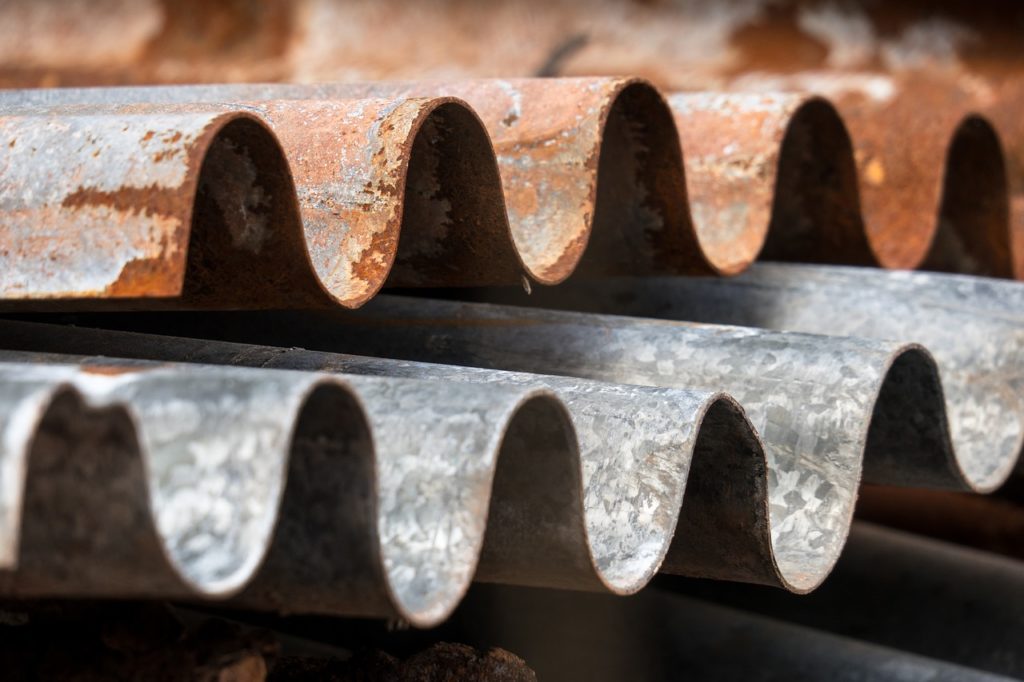
Rust on outdoor fixtures often begins as a cosmetic problem, but leaving it alone can eventually weaken fasteners, brackets, railings, furniture, and other exposed metal. The best response is to remove early corrosion, eliminate trapped moisture, protect bare metal, and fix whatever keeps allowing water to sit on the surface.
Why Outdoor Metal Starts Rusting
Rust develops when iron-containing metal is repeatedly exposed to moisture and oxygen. Rain is an obvious source, but sprinklers, condensation, coastal air, wet leaves, and poorly draining surfaces can keep fixtures damp longer than expected.
Small scratches also matter. Once paint or another protective coating breaks, moisture can reach the metal underneath. Regular inspection is therefore more useful than waiting until orange-brown corrosion becomes impossible to miss.
Remove Surface Rust Before It Spreads
Start by checking whether the rust is superficial or whether the metal has already become deeply pitted, thin, cracked, or unstable. Light surface corrosion can often be cleaned with a wire brush, abrasive pad, or suitable rust-removal product.
Wear eye protection and gloves while brushing loose material. People looking for broader practical maintenance ideas can apply the same principle throughout the property: dealing with small deterioration early is usually easier than repairing structural damage later.
After cleaning, wipe away dust and let the fixture dry completely. Painting damp metal can trap moisture beneath the new coating and shorten the life of the repair.
Protect Bare Metal From More Moisture
Freshly exposed metal needs protection. A corrosion-resistant primer followed by an exterior-rated topcoat creates a barrier between the surface and outdoor moisture.
Preparation affects the result as much as the paint itself. Grease, dirt, loose flakes, and remaining rust can prevent a new coating from bonding correctly. General everyday home care topics often come back to this basic lesson: coatings perform better when the underlying surface is clean and sound.
For movable items such as garden furniture, consider storing them under cover during long wet periods. Even partial shelter can reduce repeated soaking.
| Fixture Condition | Likely Response | Main Goal |
|---|---|---|
| Light orange spotting | Clean and protect | Stop early corrosion |
| Flaking finish | Remove loose coating | Prepare solid surface |
| Deep pitting | Inspect carefully | Check remaining strength |
| Loose connection | Repair or replace | Restore safe support |
Fix the Moisture Source Around the Fixture
A freshly painted fixture can rust again if the surrounding conditions remain unchanged. Look for sprinkler spray hitting metal every morning, gutters dripping onto brackets, soil touching fence hardware, or planters trapping water against decorative supports.
Useful DIY repair reading can help homeowners think beyond the visible stain and identify the condition causing repeated deterioration. Sometimes moving a sprinkler head or improving drainage does more long-term good than applying another coat of paint.
Pay particular attention to bolts, screws, hinges, welds, and joints. Water tends to collect in these areas, while narrow gaps make complete drying difficult.
Common Rust Repair Mistakes to Avoid
Painting directly over loose rust is one of the most common mistakes. The new finish may look better for a short period, but unstable material underneath can continue separating from the fixture.
Another mistake is assuming every rusty component is worth saving. If a railing bracket, stair connection, load-bearing fastener, or similar safety-related part has lost significant thickness, replacement may be more sensible than cosmetic restoration.
Using indoor paint outdoors can also create an early failure. Products exposed to rain, temperature swings, and sunlight need to be suitable for exterior conditions.
Frequently Asked Questions
Can you paint directly over rust on outdoor metal?
Some coatings are designed for prepared rusty surfaces, but loose scale, dirt, and unstable corrosion should still be removed first. Following the coating manufacturer’s preparation instructions usually gives a more durable result.
How often should outdoor metal fixtures be checked?
A quick inspection a few times during the year is useful, especially after wet seasons or harsh weather. Look closely at scratches, joints, fasteners, lower edges, and areas where water regularly collects.
Should badly rusted fixtures be repaired or replaced?
That depends on how much sound metal remains and what the fixture supports. Decorative pieces may tolerate more surface damage, while structural brackets, railings, steps, or safety-related connections deserve a much more cautious approach.
Stop Corrosion While the Repair Is Still Small
The easiest time to deal with outdoor rust is while the metal remains solid underneath. Clean early corrosion, dry the surface, restore its protective finish, and correct persistent moisture around the fixture.
If the metal has become deeply pitted, loose, cracked, or noticeably thinner, treat the problem as more than a paint job. Replacing one weakened part now can prevent a larger repair later.


Leave a Reply