

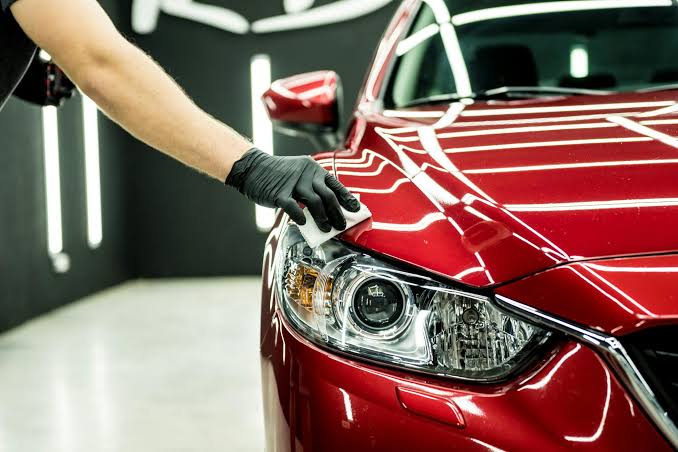
Faded car paint can make an otherwise well-maintained vehicle look years older. Sun exposure, oxidation, harsh washing, and neglected protection gradually reduce gloss and color depth. The right approach depends on whether the problem is surface oxidation or permanent clear-coat damage.
Why Automotive Paint Loses Its Shine
Modern automotive paint normally relies on a clear coat to protect the colored base layer underneath. Ultraviolet exposure, road contamination, bird droppings, and repeated washing slowly wear on that protective surface.
A vehicle parked outdoors every day often fades faster than one kept under cover. Dark colors may also make dullness and swirl marks easier to notice.
Oxidation Versus Clear-Coat Failure
Light oxidation can sometimes be improved through cleaning, polishing, and protection. Clear-coat failure is different. Peeling, flaking, or cloudy patches that appear beneath the surface usually require professional refinishing rather than aggressive polishing.
Start With a Thorough Paint Cleaning
Before polishing anything, wash the vehicle carefully and remove bonded contamination. Dirt trapped against the finish can create additional scratches during correction.
Owners researching paint-maintenance methods may encounter useful automotive care information while comparing washing, polishing, and protection practices. Whatever method you follow, work on a cool surface out of direct sunlight.
A clay treatment or suitable decontamination process may help when the paint feels rough even after washing.
Restore Gloss With Controlled Polishing
Polishing removes a tiny amount of damaged surface material and can reduce oxidation, fine scratches, and haziness. Start with the least aggressive combination capable of producing an improvement.
Broader vehicle maintenance resources can help owners understand how paint care fits alongside routine exterior upkeep. Machine polishers can produce faster results, but poor technique may create haze or remove excessive clear coat.
| Paint Condition | Possible Approach | Main Limitation |
|---|---|---|
| Light dullness | Mild polish | May need repeated passes |
| Surface oxidation | Paint correction | Clear coat must remain healthy |
| Fine swirl marks | Polishing compound | Deep scratches remain |
| Peeling clear coat | Refinishing | Polishing cannot repair it |
Protect the Finish After Correction
Freshly polished paint needs protection because polishing alone does not provide a durable barrier. Wax, synthetic sealant, and ceramic-style coatings offer different levels of longevity, cost, and preparation requirements.
People comparing exterior-care ideas across general online resources should pay attention to product instructions rather than assuming every coating works the same way. Proper preparation often matters as much as the protection product itself.
Parking under cover and removing bird droppings promptly can also slow future deterioration.
Mistakes That Can Make Fading Worse
One common mistake is attacking dull paint immediately with a heavy cutting compound. If the clear coat is already thin or failing, aggressive correction may create permanent damage.
Household detergents and rough towels are another poor choice. They can strip protection or introduce scratches. Polishing also cannot restore paint where the clear coat has peeled away, so identifying the type of damage before correction saves both time and material.
Frequently Asked Questions
Can faded car paint become shiny again?
Light oxidation and surface haze can often improve significantly with proper cleaning and polishing. Severe clear-coat failure, peeling, or deep deterioration usually requires repainting or professional refinishing.
Does waxing restore faded paint?
Wax can deepen gloss temporarily and protect the surface, but it does not remove substantial oxidation. Correcting faded paint usually requires cleaning or polishing before wax is applied.
How can I stop vehicle paint from fading again?
Regular washing, protective wax or sealant, shaded parking, and quick removal of corrosive contamination can reduce deterioration. Protection should be renewed according to the product’s instructions and the vehicle’s exposure.
Keep the Restored Finish Protected
Successful paint restoration starts with judging the condition rather than reaching immediately for the strongest compound. Correct mild oxidation carefully, stop polishing when clear-coat failure is present, and protect any corrected surface afterward. Consistent washing and environmental protection will usually preserve the improvement longer than repeated aggressive correction.











Leave a Reply