

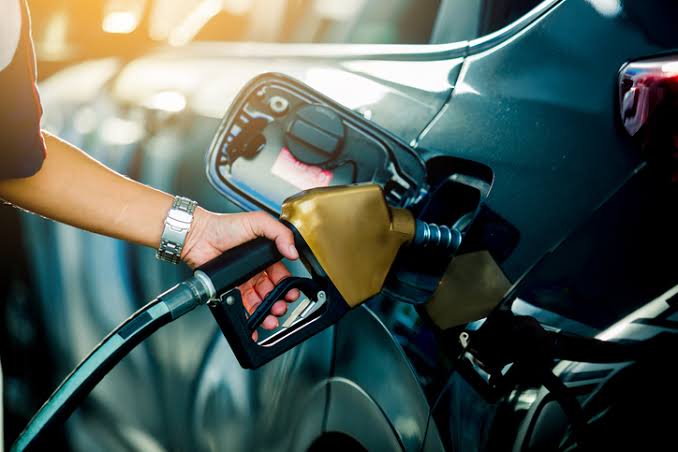
A sudden drop in fuel economy often means your car is working harder than necessary. Poor fuel mileage can come from neglected maintenance, incorrect tire pressure, worn ignition parts, dirty filters, or driving conditions that increase engine load. Finding the cause early can reduce fuel costs while preventing smaller problems from becoming expensive repairs.
Why Fuel Economy Starts Getting Worse
Fuel consumption rarely changes for no reason. An engine needs the correct balance of air, fuel, ignition, temperature, and mechanical resistance to operate efficiently. When one part of that balance changes, more fuel may be required to produce the same performance.
Maintenance intervals matter because many efficiency losses develop gradually. Drivers may adapt to slower acceleration or more frequent fuel stops without realizing their vehicle’s normal operating condition has changed.
Watch for Changes in Normal Driving
Compare mileage over several tanks rather than judging one fill-up. Heavy traffic, cold weather, towing, short trips, or long periods of air-conditioning use can temporarily reduce economy.
Keeping basic maintenance records alongside resources about automotive operating systems can make recurring changes easier to recognize. A consistent decline deserves more attention than one unusually inefficient trip.
Tires and Rolling Resistance Matter
Underinflated tires flex more as they roll. That additional resistance makes the engine work harder, especially during city driving where the vehicle repeatedly accelerates from low speeds.
Check tire pressure when the tires are cold and use the vehicle manufacturer’s recommended pressure. Information about garage maintenance practices can also help owners build simple inspection habits instead of waiting until handling or tire wear becomes obvious.
| Possible Issue | Fuel-Economy Effect | Useful Check |
|---|---|---|
| Low tire pressure | Higher rolling resistance | Check cold pressure |
| Dirty air filter | Restricted airflow on some vehicles | Inspect filter condition |
| Worn spark plugs | Poor combustion or misfires | Follow service schedule |
| Brake drag | Extra mechanical resistance | Check unusual heat or pull |
Engine Maintenance Can Restore Lost Efficiency
Modern engines adjust fuel delivery constantly, but they still depend on healthy sensors, ignition components, filters, and mechanical systems. Worn spark plugs may contribute to weak combustion or misfires, while failing sensors can cause incorrect fuel-management decisions.
Routine service also gives technicians a chance to spot fluid leaks, dragging brakes, worn bearings, or other sources of resistance. Drivers exploring vehicle care fundamentals should focus on maintenance that addresses confirmed conditions rather than replacing parts simply because mileage dropped.
Common Assumptions That Waste Money
One mistake is assuming poor mileage automatically means the engine needs major repairs. Driving habits, tire pressure, weather, traffic, roof racks, heavy cargo, and frequent short trips can all affect fuel consumption.
Another mistake is replacing several components at once. That approach increases cost and makes it difficult to identify the actual cause. Start with basic checks, review recent changes, and investigate warning lights or drivability problems before buying parts.
Frequently Asked Questions
Can an overdue oil change reduce fuel economy?
Old or incorrect engine oil may increase friction in some situations, although the effect varies. Following the manufacturer’s oil specification and service interval supports proper lubrication and helps the engine operate as intended.
Why did my gas mileage suddenly drop?
Sudden changes can come from low tire pressure, engine faults, brake drag, seasonal fuel changes, colder weather, heavier traffic, or altered driving habits. A warning light or noticeable performance change deserves diagnostic attention.
Does carrying extra weight increase fuel consumption?
Yes. Additional weight requires more energy during acceleration and climbing. A few small items usually make little difference, but routinely carrying unnecessary heavy equipment can gradually increase fuel use.
Make Maintenance the First Move
Poor fuel economy is best treated as a symptom rather than a diagnosis. Check tire pressure, service history, driving conditions, warning lights, and obvious mechanical problems before assuming expensive repairs are needed. Consistent maintenance gives the engine and drivetrain the best chance to operate efficiently while making unusual changes easier to identify.











Leave a Reply