

A stain on a car seat can look permanent long before it actually is. The safest way to clean stained car seats is to identify the upholstery material, use as little moisture as possible, and work from the outside of the mark toward the center.
Aggressive scrubbing often creates a bigger problem than the original spill. Fabric can fade, leather can dry out, and foam beneath the upholstery may stay damp for hours.
Identify the Seat Material Before Cleaning
Fabric seats usually tolerate a mild upholstery cleaner and gentle agitation, while leather and vinyl need products made for their surfaces. Alcantara, suede-like materials, and perforated leather deserve even more caution because excess liquid can leave visible marks.
Before applying anything widely, test the cleaner on a hidden area. Broader vehicle maintenance resources can also be useful when developing a routine that treats interior care as part of overall vehicle upkeep rather than an occasional emergency.
Start With Dry Cleaning
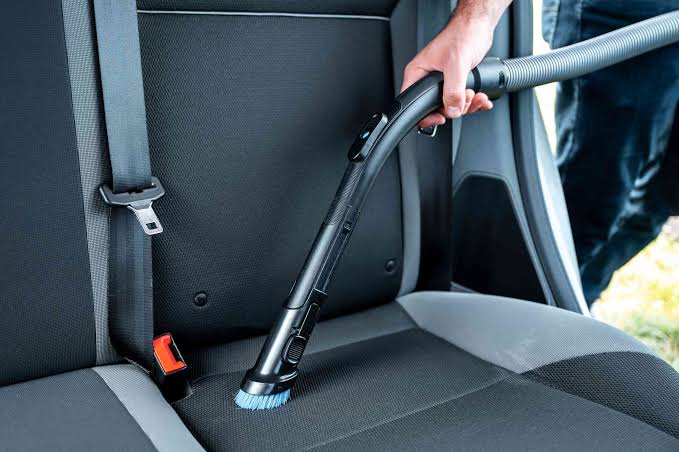
Vacuum loose dirt before introducing moisture. Sand, crumbs, and grit can act like abrasive particles if they’re rubbed across damp upholstery.
A soft brush attachment works well around seams and textured fabric. Removing dry debris also helps the cleaning solution reach the actual stain instead of mixing with surface dirt.
Match the Cleaning Method to the Stain
Water-based spills such as coffee or soft drinks often respond to a diluted upholstery cleaner. Greasy marks may need a cleaner formulated to break down oils without leaving a strong residue.
Blot rather than rub. Automotive owners researching practical car-care guidance will often encounter dozens of cleaning tricks, but the safest approach is usually the least aggressive method that still lifts the contamination.
| Stain Type | Safer First Approach | Main Risk |
|---|---|---|
| Coffee | Blot, then mild upholstery cleaner | Water rings |
| Grease | Upholstery-safe degreaser | Residue |
| Mud | Let dry, vacuum, spot clean | Ground-in dirt |
| Ink | Test specialized cleaner first | Color loss |
Control Moisture and Drying
Saturating the seat is rarely necessary. Upholstery foam absorbs liquid easily, and trapped moisture can create musty odors even after the visible stain disappears.
Use a lightly damp microfiber cloth and repeat small cleaning passes instead of soaking the area. If you’re working around seat controls, wiring, or heated-seat components, general automotive electrical information can reinforce why liquid should be kept away from switches and electrical connections.
Allow the seat to dry with good ventilation. Leaving doors open in a secure location or running the vehicle’s ventilation system can help moisture escape.
Common Mistakes That Make Stains Worse
Scrubbing hard is one of the quickest ways to spread a stain and roughen fabric fibers. Using household bleach, strong solvents, or an unknown all-purpose cleaner can also discolor upholstery.
Another mistake is repeatedly adding cleaner without removing the previous residue. More product isn’t always more effective. Several controlled passes with blotting between them usually give you more control over the final appearance.
Frequently Asked Questions
Can old stains still be removed from car seats?
Many older stains can be reduced, but results depend on the substance, upholstery material, and how long the contamination has remained. Start with a gentle method and repeat gradually rather than using a stronger chemical immediately.
Should I use a steam cleaner on car upholstery?
Steam can help with some durable fabric seats, but excess heat and moisture can damage certain materials or soak the underlying foam. Check the vehicle manufacturer’s upholstery guidance before using steam.
Why does a stain return after the seat dries?
A mark can reappear when contamination or cleaning solution trapped deeper in the seat moves back toward the surface during drying. Using less liquid and extracting or blotting moisture thoroughly can reduce this effect.
Clean Gradually Instead of Aggressively
Successful stain removal is often more about restraint than cleaning power. Identify the material, vacuum first, test your cleaner, and use controlled applications rather than flooding the seat. If the stain involves an unknown chemical, extensive dye transfer, or expensive specialty upholstery, professional detailing may be safer than experimenting with stronger products.









Leave a Reply