

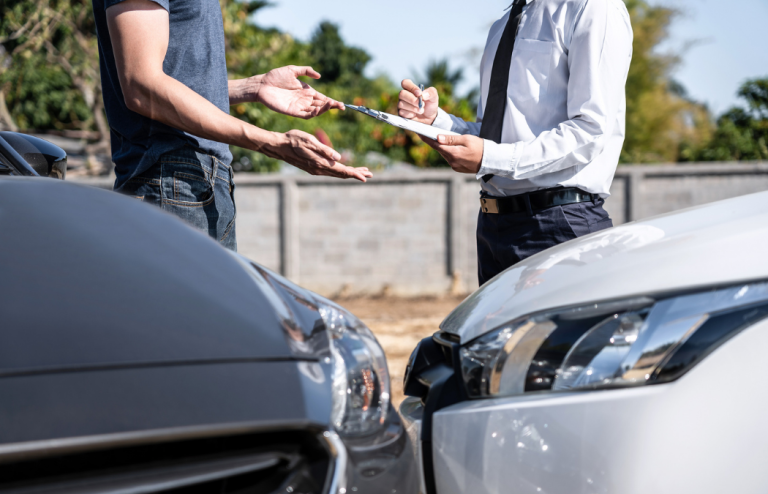
Vehicle repairs can erase details that may matter later in an insurance or injury claim. Before bodywork begins, photograph the vehicle from several angles, record damaged areas closely, and preserve repair estimates, towing paperwork, and crash-related communications. Good documentation doesn’t decide fault by itself, but it can make later disputes easier to evaluate.
Build a Record Before the Vehicle Changes
Start with wide photographs showing the entire vehicle, then take closer images of dents, broken lights, scraped panels, deployed airbags, damaged wheels, and interior impact points. Photograph the other vehicle when it is safe and lawful to do so.
NHTSA crash-investigation materials describe documenting scene evidence and vehicle damage as part of understanding how collisions occurred. That illustrates why physical conditions can become harder to reconstruct after vehicles are repaired or moved.
Keep Repair and Inspection Information Together
A repair estimate can become more useful when it is stored beside photographs, towing invoices, mechanic notes, and insurer correspondence. People sorting through online claim reading should keep general information separate from records that directly document their own collision.
If additional damage is discovered after disassembly, ask the repair facility to document it on a supplemental estimate or other ordinary business record. Don’t alter records or ask anyone to characterize damage in a way they cannot support.
Preserve More Than Photographs
Police reports, witness contact information, medical records, receipts, and insurance messages can all become part of the broader claim file. Organized legal web references may help with general background reading, but contemporaneous records usually carry far more practical value than a person’s later memory of what happened.
Save original digital photographs when possible. Repeated editing, cropping, or adding annotations can make it harder to distinguish the original image from a later working copy.
| Record | What to Preserve | Why It May Matter |
|---|---|---|
| Vehicle photos | Wide and close views | Shows pre-repair condition |
| Estimates | Initial and supplemental versions | Tracks identified damage |
| Communications | Emails, letters, claim messages | Creates a timeline |
| Receipts | Towing, rental, medical costs | Documents claimed expenses |
Keep Liability Questions Separate From Repair Decisions
A repair shop usually focuses on restoring the vehicle, not deciding who was legally responsible for the crash. General liability research material may introduce concepts people encounter during a claim, but fault can depend on evidence, applicable state law, witness accounts, traffic rules, and disputed facts.
Avoid treating one photograph as definitive proof. Damage patterns can be useful, yet they may require context before anyone can draw reliable conclusions from them.
Common Documentation Mistakes
One mistake is waiting until the vehicle has already been repaired before taking detailed photographs. Another is keeping only the final estimate and discarding earlier versions that show how the damage assessment developed.
Don’t post exaggerated descriptions of the collision or your injuries simply because a claim is pending. Statements made in messages or public posts may later be compared with medical records, photographs, testimony, and other evidence.
When Legal Help Should Not Wait
Consider obtaining jurisdiction-specific legal guidance when injuries are significant, fault is disputed, an insurer denies important parts of the claim, multiple vehicles are involved, or a filing deadline may be approaching. Deadlines and notice requirements differ by state and claim type.
USAGov provides information about finding free or lower-cost legal assistance, including help involving civil matters such as personal injury.
Frequently Asked Questions
Should I photograph minor car damage after an accident?
Yes. Minor-looking exterior damage can still become relevant when repair estimates, impact location, or later disputes are reviewed. Take clear photographs before repairs and keep the original files.
Can I repair my car while an insurance claim is open?
Often you can, but practical requirements vary by insurer and circumstances. Make sure the damage has been documented and any required inspection has occurred before repairs begin.
What documents should I keep after a car accident?
Keep photographs, estimates, receipts, police information, medical records, insurer communications, witness information, and any documents showing expenses or changes connected with the collision.
Protect the Evidence Before Moving Forward
Repairs may be necessary quickly, but documentation should come first whenever circumstances allow. Create a clean record of the vehicle, expenses, communications, and supporting paperwork before physical evidence changes. If injuries, disputed fault, or deadlines make the claim complicated, obtain advice based on the law where the crash occurred.
This article provides general legal information and is not a substitute for advice from a qualified attorney about a specific claim.









Leave a Reply