


Buying your first home can feel settled once the seller accepts your offer, but the weeks before closing still carry financial risk. A first home purchase can become more expensive when buyers change their finances, overlook inspection findings, or misunderstand the final cash required.
The safest approach is to treat the closing period as part of the buying decision, not paperwork that happens after it.
Keep Your Finances Stable Until Closing
Mortgage approval depends on the financial picture your lender reviewed. Opening a new credit card, financing furniture, changing jobs, or making a major purchase before closing can alter that picture.
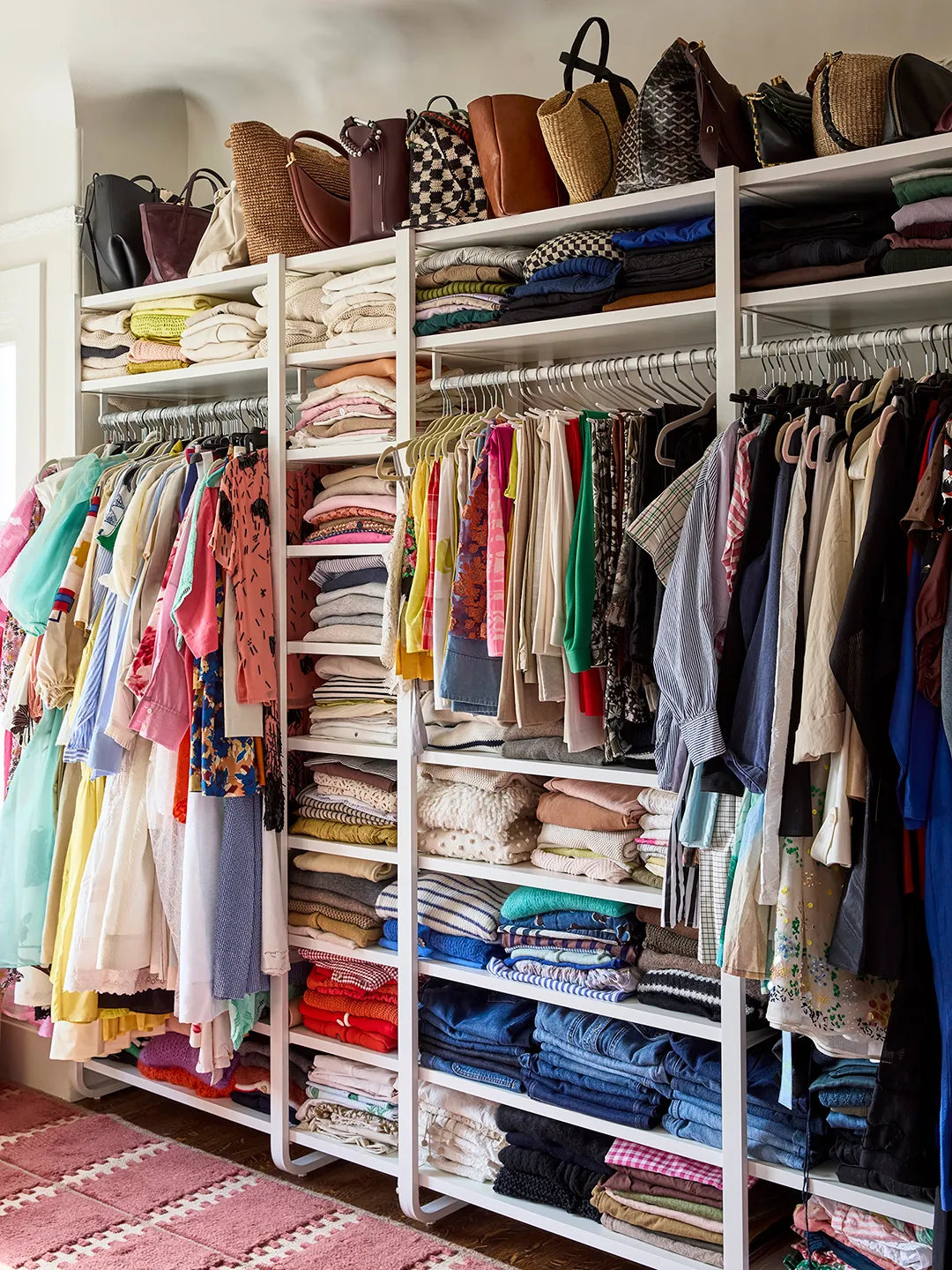
Buyers comparing housing ideas and different home living resources may naturally start planning furnishings early. Planning is harmless, but financing those purchases before the mortgage is finalized can create unnecessary complications.
Keep cash reserves available as well. Closing costs, moving expenses, prepaid insurance, taxes, and immediate household needs can arrive close together.
Review the Property Beyond Its Appearance
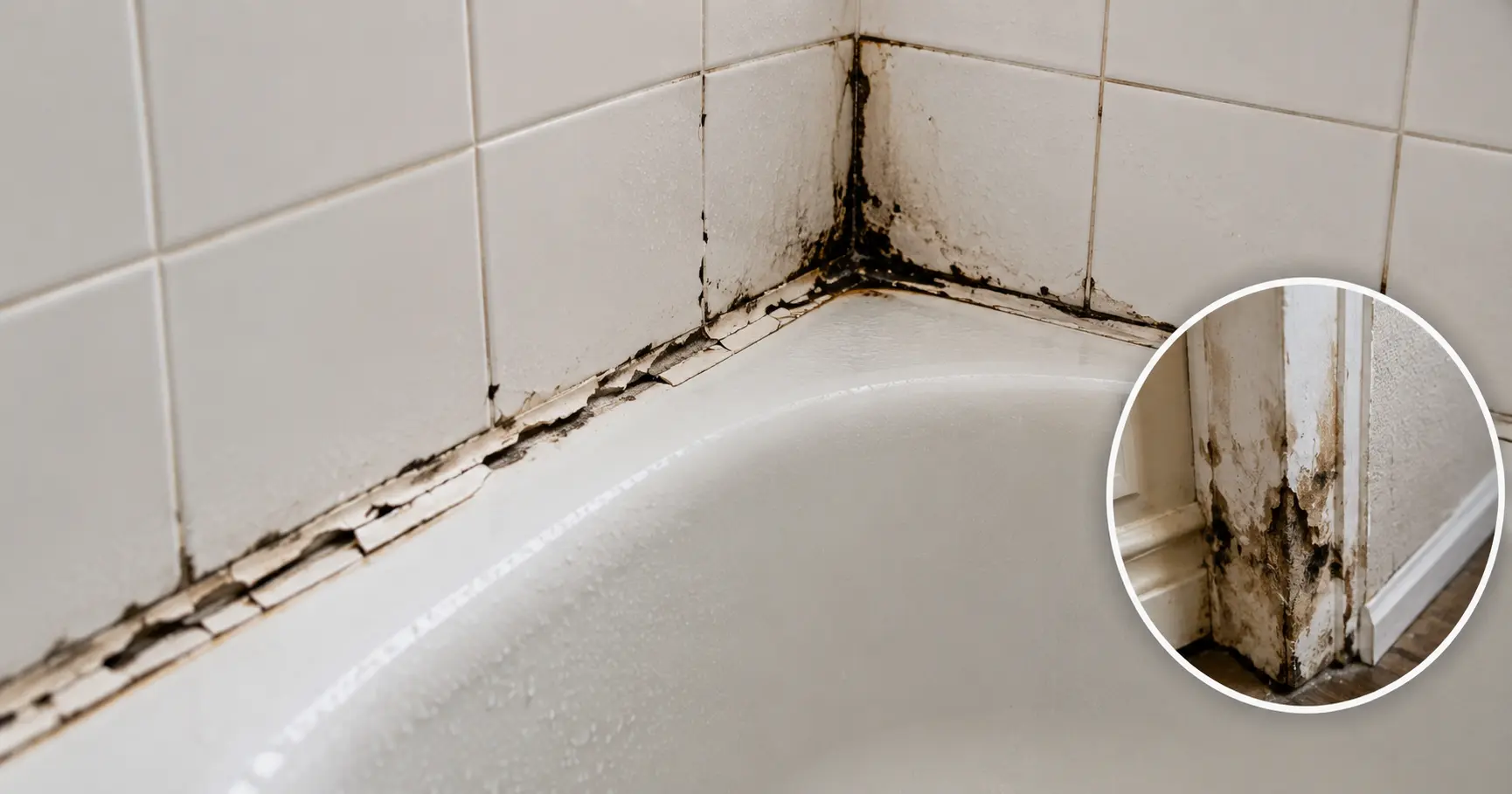
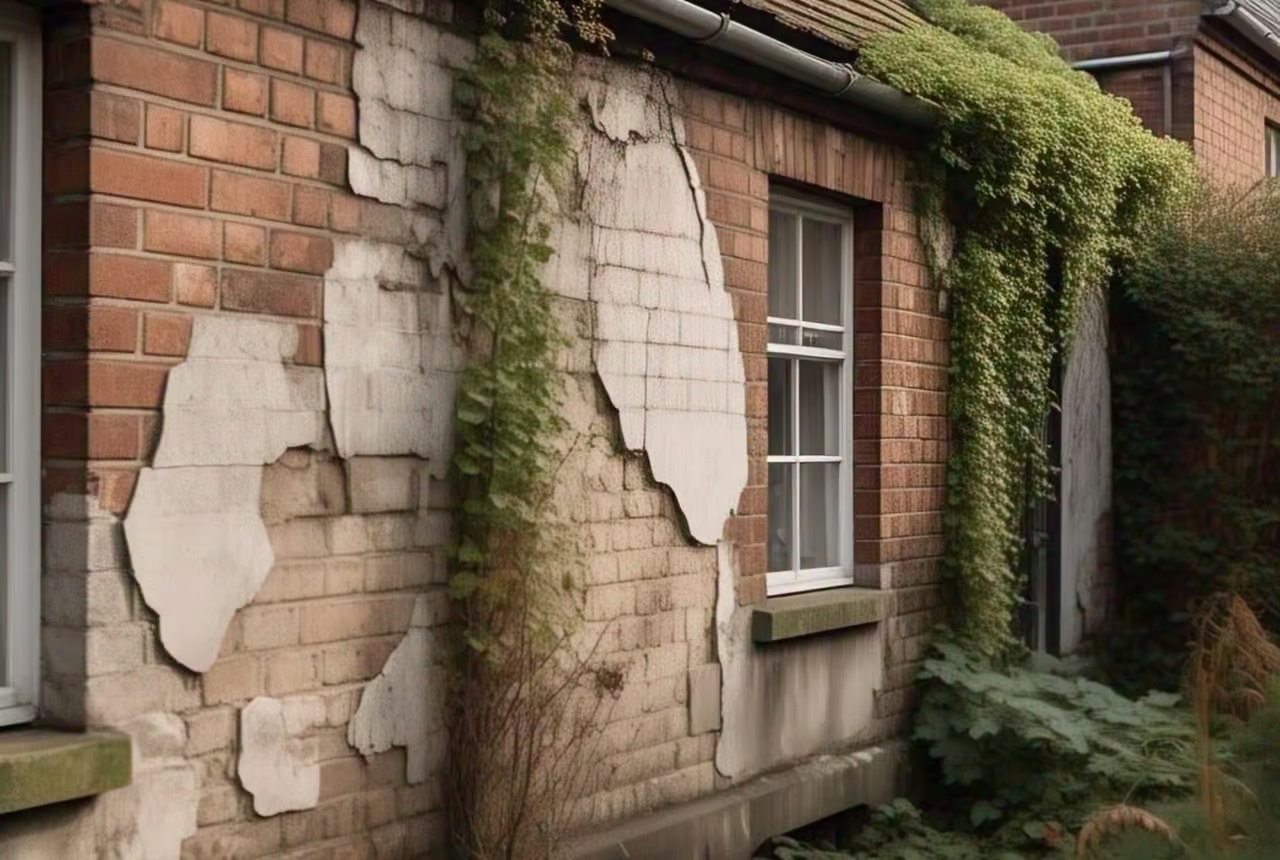
A fresh kitchen or attractive flooring shouldn’t distract you from the home’s larger systems. Roofing, plumbing, electrical work, drainage, heating and cooling equipment, foundations, and moisture problems can carry far greater repair costs.
While researching property ownership information, separate cosmetic improvements from repairs that affect safety, function, or the home’s long-term condition. A dated bathroom may be manageable. Chronic water intrusion deserves much closer attention.
| Closing Risk | Possible Cost | Better Approach |
|---|---|---|
| Major repair | Unexpected expense | Review inspection findings |
| New borrowing | Mortgage complications | Delay large purchases |
| Low reserves | Cash shortage | Keep emergency funds |
| Missing documents | Closing delay | Prepare paperwork early |
Understand Every Number Before Signing
Your lender should provide documents showing the major terms and costs connected with your mortgage. The Consumer Financial Protection Bureau’s home buying resources explain important parts of the mortgage and closing process.
Don’t focus only on the monthly principal and interest payment. Property taxes, homeowners insurance, mortgage insurance when applicable, association fees, maintenance, and utilities can significantly change the real monthly cost.
Broader real estate information can help you think beyond the purchase price, but your lender’s official documents should remain the basis for understanding your specific loan.
Mistakes First-Time Buyers Often Make
One common mistake is assuming the inspection exists only to decide whether to cancel the deal. It can also help you estimate what the property may demand financially during the first few years.
Another mistake is spending nearly every available dollar on the down payment and closing. Owning a home with no financial cushion can make an ordinary repair feel like an emergency.
When Should You Get Professional Help?
Ask questions before signing anything you don’t understand. Your mortgage professional can explain loan terms, while a qualified inspector can clarify property concerns. Depending on the transaction and local rules, a real estate attorney or other appropriate professional may also be useful.
Consider getting additional guidance if costs unexpectedly change, important inspection issues remain unresolved, documents contain unfamiliar terms, or you’re being pressured to sign before receiving clear answers.
Frequently Asked Questions
What should I avoid buying before closing on a house?
Avoid taking on unnecessary new debt, especially financed vehicles, furniture, or large credit-card purchases. Changes in debt or credit can affect mortgage qualification before the loan is finalized.
How much money should remain after buying a first home?
There is no single amount that fits every buyer. Keeping a separate reserve for repairs, moving expenses, routine bills, and unexpected costs can reduce financial pressure after closing.
Can an inspection still matter if I love the house?
Yes. Emotional attachment doesn’t change the condition of the roof, plumbing, structure, electrical system, or other components. Inspection findings can help you evaluate whether the home’s risks fit your budget.
Make the Closing Period Count
An accepted offer isn’t the finish line. Protect your first home purchase by keeping your finances steady, reading the final documents carefully, and treating inspection concerns as future expenses rather than abstract defects.
The goal isn’t to eliminate every risk. It’s to reach closing knowing what you’re buying, what you’re paying, and what financial obligations may begin afterward.
This article is for general informational purposes and is not a substitute for professional financial, legal, mortgage, or real estate advice.









Leave a Reply