

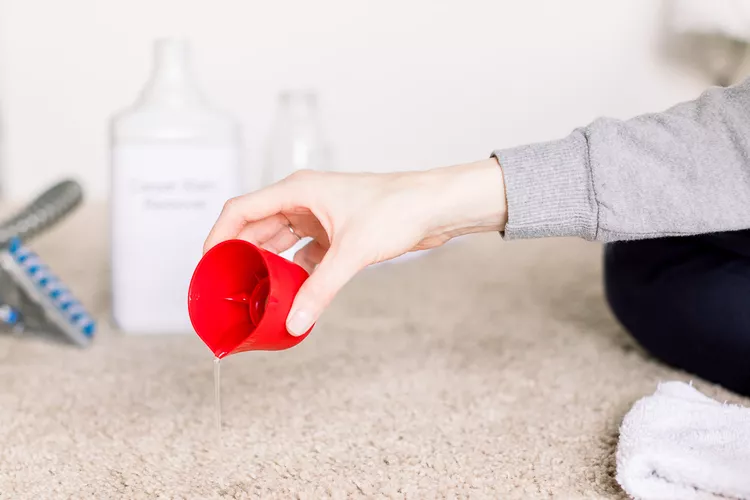
A carpet stain can become harder to remove when aggressive cleaning pushes residue deeper into the pile. The safest approach is usually to identify the spill, absorb as much as possible, and use controlled moisture rather than heavy scrubbing. Carpet stain problems are easier to manage when the fibers stay intact during cleaning.
Check the Carpet Before Treating the Stain
Start by removing loose debris with a spoon, dull scraper, or vacuum. If the spill is still wet, press clean white cloths or plain paper towels onto the area to absorb liquid. Work from the outside toward the center so the mark doesn’t spread.
Before applying any cleaner, test it on a hidden section. Different carpet fibers and dyes react differently to moisture and cleaning products. A small test can reveal color transfer, fading, or texture changes before a larger area is affected.
Room arrangement can also make routine carpet maintenance easier. Practical home layout ideas may help homeowners think about furniture placement and high-traffic areas where spills and soil tend to collect.
Lift the Stain Instead of Scrubbing It
Rubbing is one of the fastest ways to make a stain look worse. Friction can spread pigment, distort the carpet pile, and drive oily material farther into the fibers.
Blot With Controlled Pressure
Dampen a clean white cloth with a carpet-safe solution rather than pouring liquid directly onto the floor. Press the cloth against the mark for several seconds, lift it, and move to a clean part of the cloth.
Repeat slowly. You want the stain transferring into the cloth rather than simply becoming wetter.
For many ordinary water-based spills, mild dish soap heavily diluted in water may be enough. Avoid mixing household chemicals together, especially bleach, ammonia, or strong specialty cleaners.
Rinse Away Cleaning Residue
Once the stain has lifted, blot the area with a second cloth lightly dampened with plain water. Soap left behind can make carpet fibers sticky and attract new dirt.
General interior upkeep inspiration can be useful when building cleaning habits around fabrics, furnishings, and surfaces that require gentler treatment.
| Stain Situation | Better Response | Main Risk |
|---|---|---|
| Fresh liquid spill | Blot immediately | Spreading the liquid |
| Dried residue | Loosen gently first | Damaging the pile |
| Greasy mark | Use minimal cleaner | Leaving oily residue |
| Unknown stain | Test treatment first | Color or fiber damage |
Dry the Area Thoroughly
A carpet may appear clean while still holding moisture underneath. Press dry towels over the treated area and allow good airflow until it is completely dry.
Avoid replacing heavy furniture immediately. Furniture legs placed on damp carpet can compress the pile or transfer color from wood and metal finishes.
People maintaining several surfaces around a room may also find broader home care references useful for organizing routine upkeep without treating every material the same way.
If the carpet develops an obvious ring after drying, lightly dampen the outer edge and blot outward to blend the transition. Don’t soak the backing while trying to correct a small watermark.
Common Carpet Cleaning Mistakes to Avoid
More cleaner doesn’t usually mean a cleaner carpet. Oversaturating the area can leave detergent behind, spread the stain underneath the visible pile, and dramatically increase drying time.
Scrubbing with a stiff brush is another common mistake. Carpet fibers can become fuzzy, flattened, or permanently distorted even after the original stain disappears.
Heat also deserves caution. Hot water or a hair dryer may set certain stains or damage heat-sensitive fibers. When the stain source or carpet material is uncertain, start with the mildest practical method and increase treatment gradually.
Frequently Asked Questions
Should you use hot or cold water on carpet stains?
Cool or lukewarm water is a safer starting point for many unknown stains. Heat can make some proteins, dyes, and residues harder to remove. Always consider the stain type and carpet manufacturer’s care guidance before using hotter water.
Why does a carpet stain come back after cleaning?
A stain can reappear when residue remains deeper in the carpet or when excess detergent attracts soil. Thorough blotting, limited moisture, and proper rinsing can reduce the chance of the mark returning after the area dries.
Can old carpet stains still be removed?
Some older stains can be lightened or removed, but success depends on the substance, fiber type, previous cleaning attempts, and how long the material has remained in the carpet. Testing a gentle method first helps limit additional damage.
Protect the Fibers While Removing the Mark
Successful stain removal isn’t about attacking the carpet harder. It’s about controlling moisture, lifting contamination gradually, rinsing residue, and allowing the area to dry fully. Start with blotting and mild treatment, then increase cleaning strength only when necessary. Protecting the fibers while working often produces a better-looking result than aggressive scrubbing.












Leave a Reply