

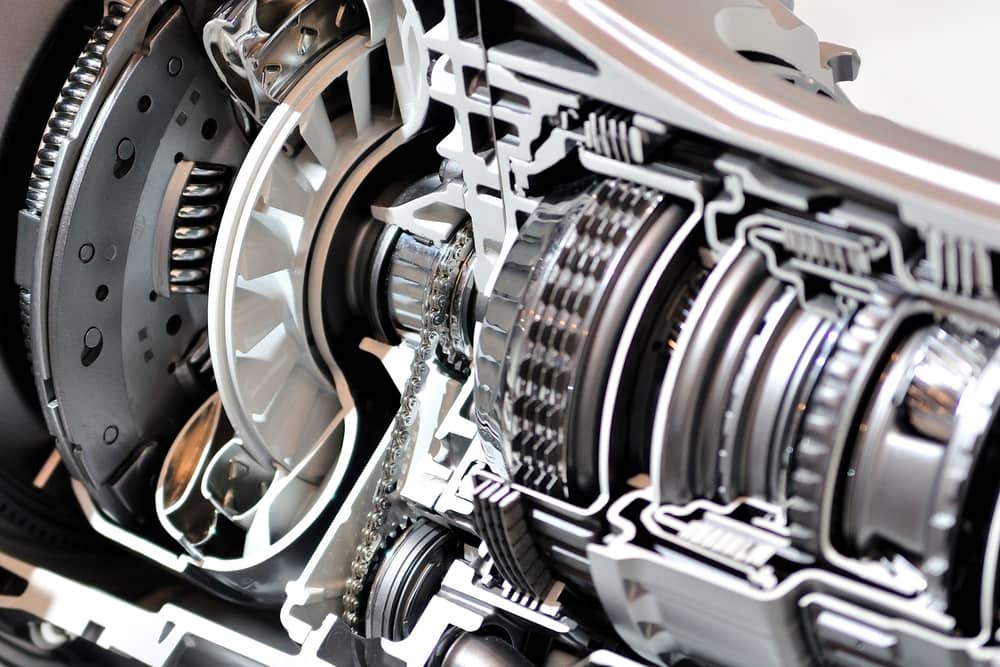
A transmission that suddenly bangs, jerks, or hesitates during a shift is giving you a warning worth investigating. Hard gear shifts can begin with something as simple as aging or low transmission fluid, but continued driving can place extra strain on internal components. Checking the basic causes early may prevent a manageable service issue from becoming a larger repair.
Why Transmission Fluid Should Be Checked First
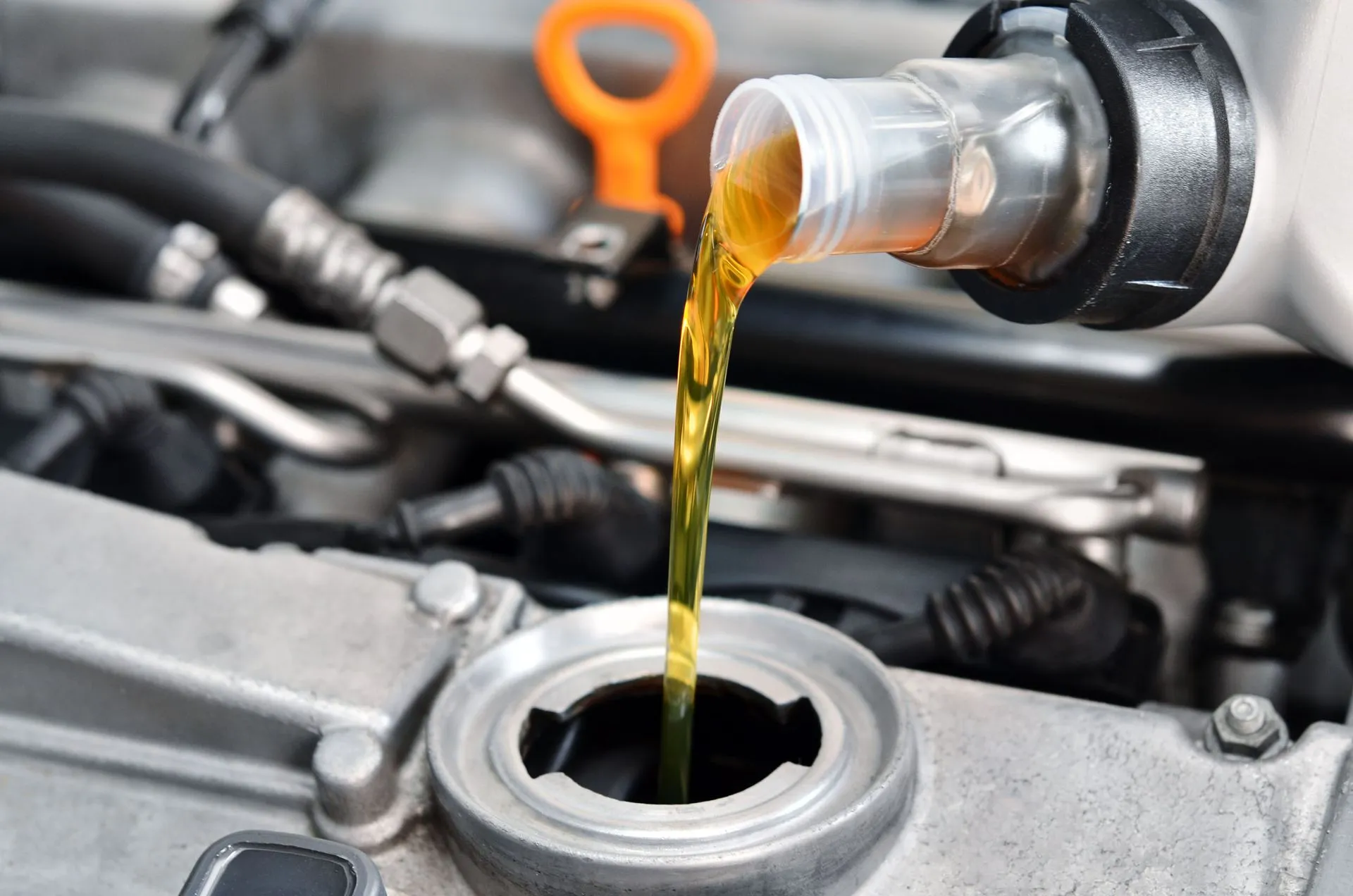
Transmission fluid lubricates moving components while also helping automatic transmissions create the hydraulic pressure needed for smooth gear changes. When the level drops, pressure can become inconsistent, making shifts feel delayed, abrupt, or unusually firm.
Before assuming the transmission itself has failed, inspect the fluid according to the vehicle manufacturer’s procedure. Some newer vehicles have sealed systems and require professional equipment rather than a traditional dipstick.
People researching vehicle maintenance sometimes compare information across fleet maintenance resources before deciding which checks they can handle themselves. The vehicle owner’s manual should still be the primary guide for fluid specifications and inspection procedures.
Pay Attention to Fluid Condition
Healthy transmission fluid commonly looks clean and relatively clear for its specified type. Dark fluid, a burnt odor, or visible contamination can indicate that the fluid has deteriorated or that excessive heat has been present.
Using the wrong replacement fluid can also create shifting problems. Automatic transmission fluids aren’t interchangeable simply because they look similar.
Other Problems That Can Cause Firm Shifting
Fluid isn’t the only possible cause. Electronic controls, shift solenoids, sensors, engine-management problems, worn mounts, or internal transmission wear may change how a vehicle moves between gears.
Modern transmissions rely heavily on information from control modules. Resources covering vehicle service planning can be useful for understanding why routine inspection matters, but diagnostic trouble codes and manufacturer procedures are more valuable when a specific shifting fault needs to be identified.
| Possible Issue | Typical Clue | Useful Check |
|---|---|---|
| Low fluid | Hard or delayed shifts | Verify fluid level |
| Old fluid | Dark color or burnt smell | Inspect fluid condition |
| Control fault | Irregular shifting pattern | Scan for trouble codes |
| Internal wear | Persistent harsh engagement | Professional diagnosis |
Notice When the Problem Happens
The timing of a hard shift can reveal useful information. A problem that happens only when the vehicle is cold may have a different cause from one that appears after an hour of highway driving.
Notice whether the transmission shifts hard during acceleration, deceleration, or engagement from Park into Drive. Keeping track of those details helps prevent vague descriptions when the vehicle reaches a repair shop.
Broader tire and vehicle care topics can also remind drivers that drivability problems aren’t always isolated to one system. Engine faults, damaged mounts, or wheel-related vibration can sometimes make a shifting complaint feel worse than it actually is.
Common Mistakes That Make Diagnosis Harder
One mistake is immediately assuming that a transmission needs replacement. Harsh shifting can certainly accompany serious internal damage, but fluid problems, electronic faults, adaptation issues, or related drivetrain components may produce similar symptoms.
Another mistake is pouring in transmission fluid without confirming the level or specification. Overfilling can cause its own problems, while the wrong fluid may change friction characteristics. Random additives are also a poor substitute for determining why the transmission started shifting differently.
What to Do Before Damage Spreads
Start with safe observations rather than major disassembly. Look underneath the parked vehicle for fresh fluid, note warning lights, and record exactly when the harsh shifts occur.
If checking fluid requires raising the vehicle, running the engine underneath it, or working near hot components, use proper equipment or leave the inspection to a qualified technician. Avoid continued hard acceleration if shifts are becoming increasingly violent, especially when slipping, burning odors, or warning lights appear.
Frequently Asked Questions
Can low transmission fluid cause hard shifting?
Yes. Low fluid can interfere with hydraulic pressure and lubrication, which may lead to delayed or harsh gear changes. The underlying reason for the low level should also be investigated because transmission fluid normally shouldn’t disappear quickly.
Will changing old transmission fluid fix hard shifts?
It may help when degraded fluid contributes to the problem, but it won’t repair damaged clutches, faulty solenoids, or other internal failures. Proper diagnosis is worthwhile when harsh shifting continues after routine service.
Is it safe to drive with hard gear shifts?
Occasional mild firmness may not indicate immediate failure, but increasingly harsh shifts deserve attention. Stop driving and seek professional help if the transmission slips badly, loses gear engagement, overheats, or produces severe mechanical noises.
Deal With the Cause While It Is Manageable
Hard shifting is easier to address when you respond to the first noticeable change rather than waiting for the transmission to stop working. Confirm the fluid level and condition, watch for leaks, record the circumstances surrounding each rough shift, and arrange diagnosis when the problem persists. Early attention gives you the best chance of correcting a smaller fault before additional components are affected.










Leave a Reply