

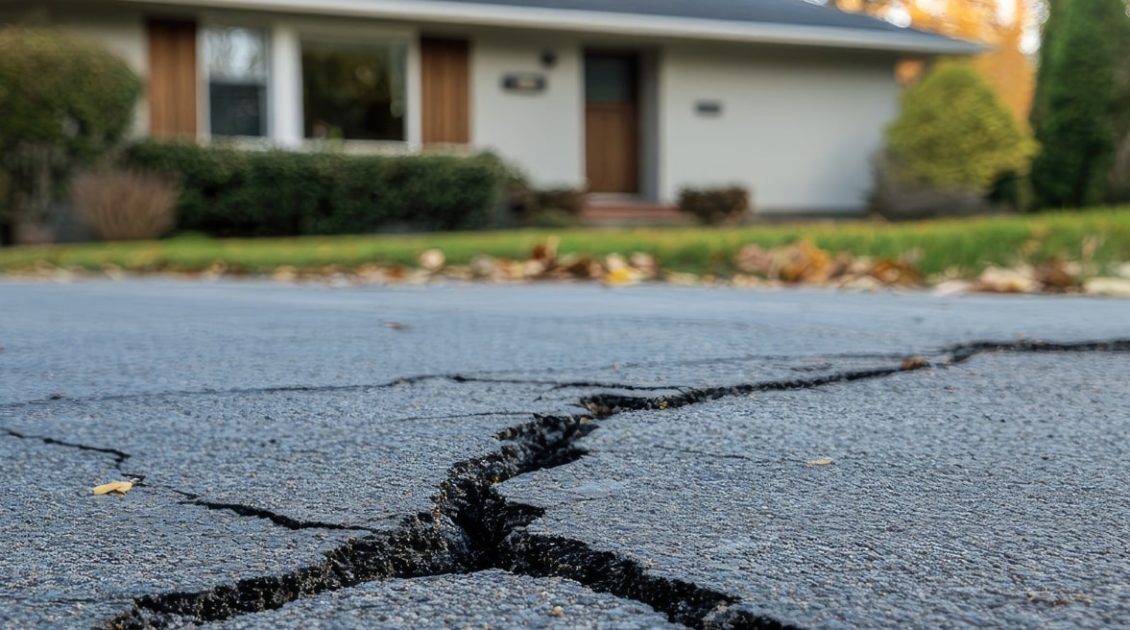
Small driveway cracks are easier and cheaper to manage before cold weather turns them into larger failures. Water can settle inside openings, freeze during cold spells, and place added pressure on already weakened pavement. Early cleaning, sealing, and monitoring can help limit that cycle before winter arrives.
The goal isn’t to make an aging driveway look brand new. It’s to keep manageable damage from becoming a pothole, broken edge, or large section that needs replacement.
Start by Identifying the Type of Damage
Not every crack needs the same repair. Thin surface cracks usually call for a different approach than wide gaps, sunken pavement, crumbling concrete, or areas that move when vehicles pass over them.
Walk the entire driveway rather than focusing on the most obvious spot. People gathering ideas from contractors, neighbors, and general home-related reading can easily overlook smaller connected cracks that reveal a broader drainage or base problem.
Look Beyond the Visible Opening
Check whether nearby pavement slopes toward the crack. Standing water, soil erosion along an edge, or repeated weeds growing from the same gap may indicate that filling the surface alone won’t solve the underlying issue.
Large height differences between adjoining sections deserve extra attention. A filler can close a gap, but it cannot reliably correct significant settlement.
Clean Cracks Before Applying Repair Material
Repair products work best when they can bond to solid material. Remove loose gravel, dirt, weeds, leaves, and deteriorated pieces before filling a crack.
A stiff brush and careful cleaning are often enough for minor maintenance. Broader everyday web content may offer endless repair shortcuts, but skipping surface preparation is one of the quickest ways to end up repeating the job.
Allow washed areas to dry as required by the repair product. Filling a dirty or improperly prepared opening may create a neat surface that separates again once temperatures change.
Match the Repair to the Driveway
Asphalt crack filler, concrete repair material, patching compounds, and joint sealants serve different purposes. The driveway material and the width and depth of the damage should guide the choice.
| Damage Pattern | Likely Approach | Main Concern |
|---|---|---|
| Hairline cracking | Compatible crack repair | Water entry |
| Wider isolated crack | Fill or patch | Continued spreading |
| Broken edge | Rebuild damaged area | Weak support |
| Sunken section | Further evaluation | Base movement |
Follow the manufacturer’s preparation and temperature instructions. Some products need mild, dry conditions to cure properly, making a late-autumn emergency repair less reliable than work completed earlier.
Control Water Around the Driveway
Water is often the quiet factor behind repeated pavement trouble. Roof runoff, poorly positioned downspouts, low soil beside the driveway, or clogged drainage paths can keep the same section wet long after rain ends.
While reviewing general online material alongside local maintenance advice, keep the repair goal simple: move water away from vulnerable pavement whenever practical. Constant moisture can undermine even a carefully repaired surface.
Check driveway edges after a heavy rain. Seeing where water actually travels is more useful than guessing based on how the pavement looks when dry.
Where Quick Repairs Can Go Wrong
A common mistake is treating every crack as a cosmetic defect. Filling an opening won’t correct washed-out soil, major settlement, tree-root movement, or widespread pavement failure underneath it.
Another mistake is covering loose material without removing it first. The patch may bond to debris rather than the driveway itself and eventually pull away. Applying too much repair material can also create a raised ridge that catches snow shovels or makes water drainage worse.
Frequently Asked Questions
Should driveway cracks be repaired before winter?
Repairing suitable minor cracks before freezing weather can reduce opportunities for water to enter them. Timing matters because many fillers and sealants have minimum temperature and moisture requirements.
Can I repair a cracked driveway myself?
Minor isolated cracks may be reasonable DIY maintenance when the pavement remains stable. Large sunken areas, extensive crumbling, drainage failures, or rapidly widening cracks may justify professional evaluation.
Does sealing a driveway fix existing cracks?
A general surface sealer is not necessarily a substitute for proper crack repair. Existing openings often need cleaning and compatible filling or patching before broader sealing work is considered.
Deal With Small Damage While It’s Manageable
Inspect the driveway while weather still allows repair materials to cure correctly. Clean manageable cracks, choose products designed for the pavement, and correct obvious water problems instead of hiding them.
The biggest savings often come from catching the transition between ordinary wear and structural deterioration. Address that stage early, then inspect repaired areas again after winter to see what changed.













Leave a Reply