

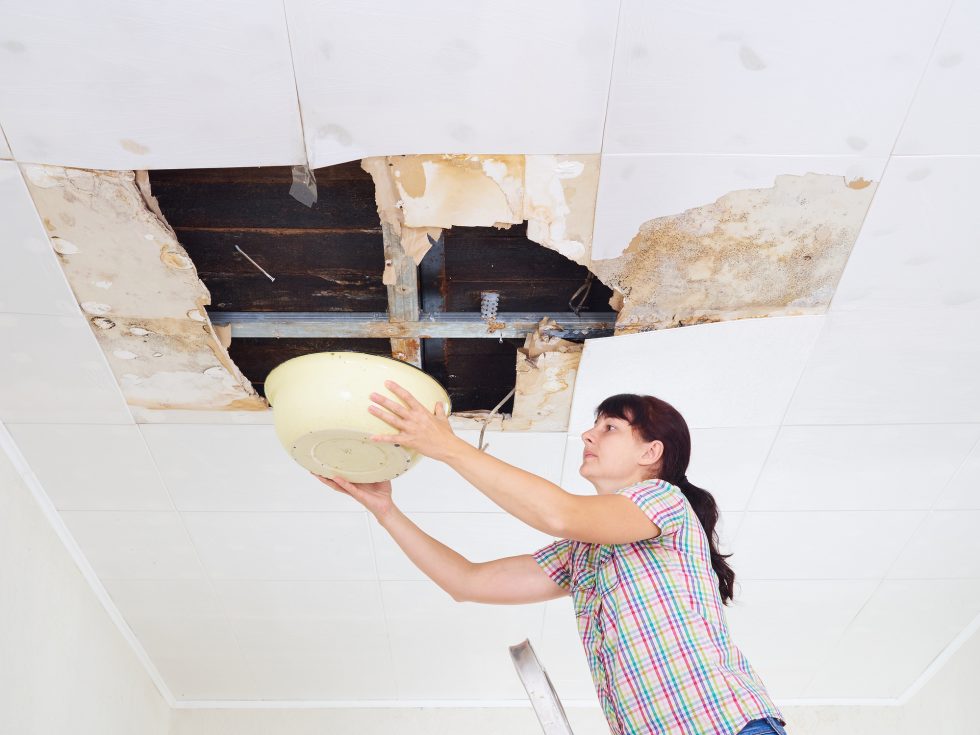
A roof leak rarely stays confined to one small spot. Water can travel along rafters, insulation, and ceiling materials before the visible stain appears, which means the actual entry point may be several feet away. Leaky roof problems should be investigated promptly so moisture does not reach framing, drywall, electrical fixtures, or stored belongings.
Find the Water Entry Point First
Start indoors during or shortly after rainfall. Look for damp insulation, darkened wood, water trails, peeling paint, or ceiling stains. An attic flashlight inspection is often safer and more useful than immediately climbing onto the roof.
Remember that the highest visible wet point usually deserves attention first. Water often runs downward along framing before dripping into the room below.
Check Common Trouble Areas
Roof penetrations are frequent leak locations. Plumbing vents, chimneys, skylights, flashing joints, roof valleys, and damaged shingles should all be considered.
People researching wider home-repair topics may also come across interior repair ideas while deciding how to address ceiling or wall damage caused by incoming moisture.
Protect the Interior Before Making Repairs
Move furniture, electronics, and valuables away from the wet area. Place a container beneath active drips and wipe up standing water before it spreads across flooring.
If water is collecting behind a sagging ceiling, avoid standing underneath it. Saturated drywall can become heavy enough to fall unexpectedly.
Broader exterior home maintenance information can also be useful when roof leaks appear alongside damaged gutters, aging siding, or other weather-related exterior problems.
Choose the Repair Based on the Cause
Different leak sources require different fixes.
| Problem Area | Possible Issue | Typical Response |
|---|---|---|
| Missing shingle | Wind or age damage | Replace damaged material |
| Flashing joint | Loose or failed seal | Repair or replace flashing |
| Roof valley | Debris or deterioration | Clear and inspect |
| Vent boot | Cracking around pipe | Replace damaged boot |
A missing shingle may require a relatively small repair, while deteriorated flashing can involve removing nearby roofing material. Avoid coating every suspected area with sealant. Excess sealant can hide the real problem and make later repairs harder.
Make Temporary Repairs Carefully
Temporary protection can reduce water entry until permanent work is possible. A correctly secured tarp may help cover storm damage, but working on a roof can be dangerous.
Do not climb onto a wet, icy, steep, or unstable roof. Use binoculars from the ground when possible, and leave elevated work to a qualified roofer when safe access is uncertain.
Homeowners exploring related outdoor projects may encounter outdoor upkeep ideas, but roof work requires more caution than ordinary ground-level maintenance.
Common Roof-Leak Mistakes to Avoid
One mistake is assuming the ceiling stain sits directly below the roof opening. Water frequently travels before becoming visible.
Another is repeatedly applying roofing cement without checking damaged flashing, shingles, fasteners, or underlayment. Quick patches may stop water briefly while allowing hidden moisture damage to continue. Also avoid replacing interior drywall before confirming that the roof itself is dry and repaired.
Frequently Asked Questions
Can a small roof leak cause major damage?
Yes. Even a slow leak can repeatedly wet insulation, ceiling materials, and framing. The longer moisture remains unnoticed, the greater the chance of staining, material deterioration, mold growth, or more expensive interior repairs.
Should I inspect my roof during rain?
Inspecting from inside the attic can help identify water movement during rain. Walking on a wet roof is risky and should be avoided. Ground-level observation or professional inspection is the safer choice.
Can roof sealant permanently stop a leak?
Sometimes sealant is part of a proper repair, but it is not a universal solution. Damaged shingles, flashing, vent boots, or roofing materials may need replacement rather than another surface coating.
Stop the Moisture Before Repairing the Damage
Deal with the water source before repainting ceilings or replacing damaged drywall. Trace the leak carefully, protect the interior, and match the repair to the actual failure rather than the nearest stain. If the roof is steep, extensively damaged, or unsafe to access, professional inspection is the sensible next step.
═══













Leave a Reply