

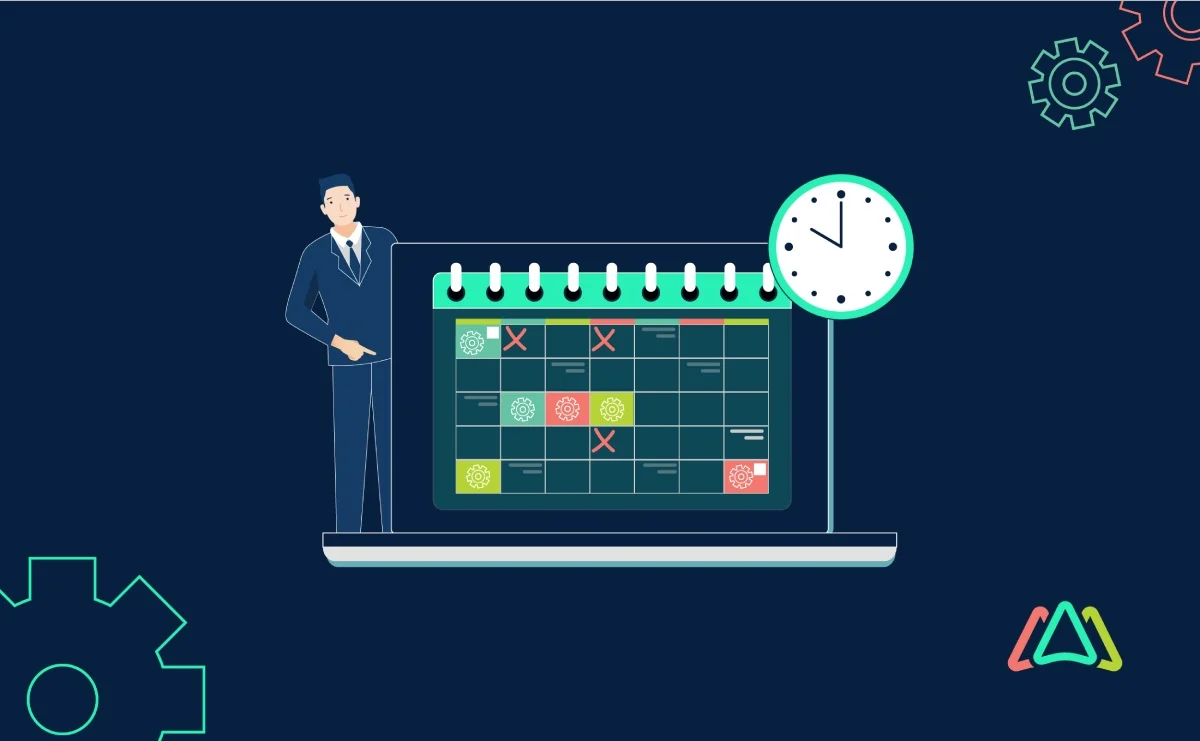
Maintenance problems become more expensive when every task starts with something already broken. A preventive plan gives property managers time to inspect equipment, schedule routine service, order parts, and coordinate access before small problems turn into emergencies. Good scheduling doesn’t eliminate repairs, but it makes them easier to predict and control.
Why Reactive Maintenance Creates Ongoing Problems
Reactive maintenance puts the property team in permanent catch-up mode. A leaking valve, failing air-conditioning unit, damaged door, or blocked drain suddenly becomes the day’s priority, pushing planned work further behind.
Repeated emergencies also make budgeting harder. Managers may know annual maintenance expenses in general, yet unpredictable breakdowns create sudden labor charges, expedited parts orders, and overtime costs.
Small Delays Can Compound
A minor problem isn’t always urgent on day one. But postponing an inspection can allow wear, moisture, corrosion, or mechanical stress to spread into surrounding components.
That is why scheduled inspections matter even when equipment appears to be operating normally.
Build a Preventive Maintenance Calendar
Start with the assets that have predictable service needs. HVAC systems, elevators, pumps, fire-safety equipment, plumbing components, roofs, common-area lighting, and access systems may all require recurring checks at different intervals.
Managers researching broader property planning resources may encounter different approaches to organizing property responsibilities. Whatever system is chosen, each recurring task should have a due date, responsible person, and completion record.
Maintenance frequency should reflect equipment age, manufacturer guidance, property conditions, past problems, and local requirements rather than using the same schedule for everything.
Track Work Before It Disappears From View
A maintenance calendar only helps when completed and overdue work can be identified quickly. Tasks should move through clear stages such as scheduled, assigned, in progress, completed, or rescheduled.
General housing management resources can sit alongside internal operating documents when teams are developing better property-management habits. The important part is keeping the actual maintenance record centralized instead of relying on scattered emails, text messages, and personal reminders.
| Maintenance Item | Preventive Action | Possible Benefit |
|---|---|---|
| HVAC equipment | Routine inspection | Fewer unexpected failures |
| Plumbing fixtures | Check for leaks | Earlier water-damage prevention |
| Roof and drainage | Seasonal review | Problems found before major leaks |
| Common-area lighting | Scheduled checks | Faster replacement planning |
Include Exterior Areas in the Plan
Preventive maintenance shouldn’t stop at mechanical rooms and interior spaces. Decks, walkways, railings, drainage areas, exterior finishes, landscaping features, and other exposed components face weather and daily wear.
While reviewing general exterior maintenance considerations, managers can also evaluate which outdoor areas on their own properties deserve scheduled inspections. Exterior deterioration can be easy to overlook because gradual changes may not produce an immediate complaint.
Photographs taken during inspections can make it easier to compare conditions over time.
Where Maintenance Scheduling Often Fails
One common mistake is creating an ambitious maintenance calendar and then treating every item as equally important. Teams become overloaded, routine tasks are postponed, and eventually the schedule loses credibility.
Another problem is failing to update the plan after repeated repairs. If one piece of equipment fails twice within a short period, continuing the old inspection frequency may not make sense. Preventive schedules should change as the property ages and new patterns appear.
Managers also need room for unplanned work. Filling every available hour with scheduled maintenance leaves no capacity for legitimate unexpected problems.
Frequently Asked Questions
How often should a preventive maintenance schedule be reviewed?
A practical schedule should be reviewed periodically and whenever equipment conditions, vendor arrangements, building use, or recurring repair patterns change. Older systems may need closer monitoring than newer components.
What should be included in a maintenance log?
Useful records normally include the asset, inspection or repair date, problem found, work completed, responsible person or vendor, parts used when relevant, and the next planned service date.
Can preventive maintenance eliminate emergency repairs?
No. Unexpected failures can still happen. Preventive maintenance is designed to reduce avoidable breakdowns, reveal developing problems earlier, and give managers more control over repair timing and costs.
Make Maintenance Predictable Where Possible
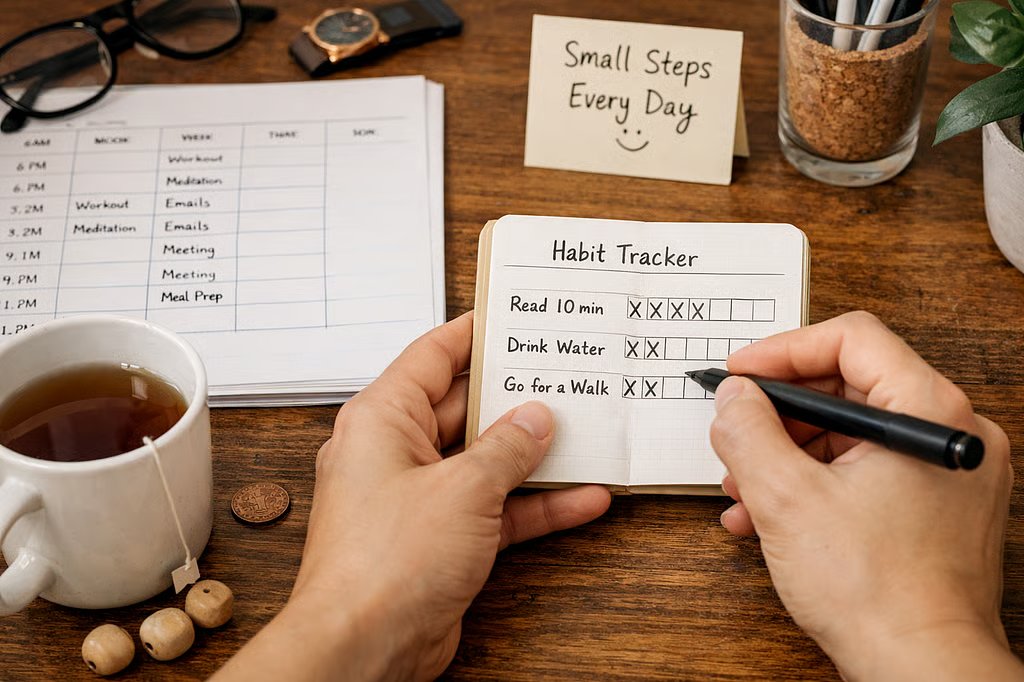
The strongest maintenance program isn’t the one with the longest checklist. It is the one the team can actually follow. Identify important assets, assign realistic inspection intervals, record completed work, and adjust schedules when patterns change. A manageable preventive plan can turn maintenance from a constant series of surprises into a more organized operating responsibility.











Leave a Reply