

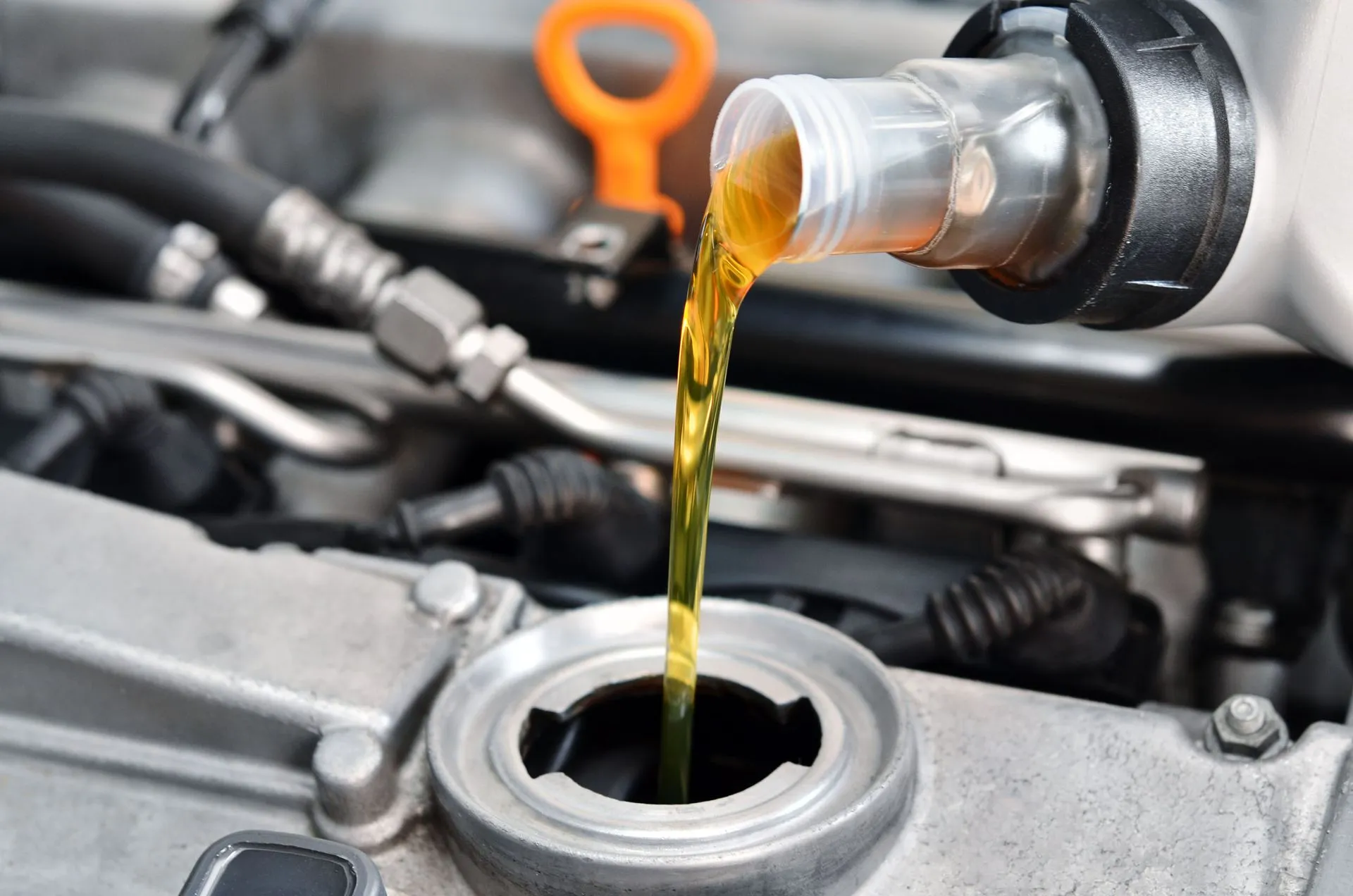
Engine oil does far more than reduce friction. It also carries heat away from moving parts, suspends contaminants, and helps protect internal surfaces from wear. Routine oil changes keep that protection working as intended instead of allowing aged, contaminated oil to circulate through the engine.
The correct schedule depends on the vehicle, oil specification, driving conditions, and manufacturer guidance. Following the owner’s manual is usually more reliable than relying on a universal mileage rule.
Why Fresh Engine Oil Matters
Inside a running engine, metal components move thousands of times each minute while exposed to heat and combustion byproducts. Oil creates a protective film between those surfaces so they don’t rub directly against one another.
Over time, heat and contamination change the oil’s condition. Drivers exploring broader vehicle maintenance resources should still make the manufacturer’s required oil grade and service interval their starting point.
Lubrication Protects High-Wear Components
Bearings, camshafts, pistons, and other moving parts depend on consistent lubrication. If oil becomes badly degraded or the level falls too low, friction and heat can increase.
Fresh oil also helps carry small particles toward the filter instead of allowing deposits to remain around sensitive components.
What Happens When Oil Changes Are Delayed?
Delaying service doesn’t normally destroy an engine immediately. The problem is cumulative. Old oil may gradually become contaminated, lose some protective qualities, and contribute to sludge or deposits.
People comparing automotive ownership information may encounter fixed mileage recommendations, but modern maintenance schedules can vary considerably by engine design and operating conditions.
| Oil Condition | Possible Effect | Better Response |
|---|---|---|
| Fresh, correct grade | Stable lubrication | Follow normal schedule |
| Low oil level | Reduced protection | Check for loss or leaks |
| Heavily contaminated oil | More deposits and wear risk | Arrange service |
| Wrong specification | Possible performance issues | Use approved oil |
Driving Conditions Can Change Service Needs
Short trips can be harder on oil than many drivers expect because the engine may not remain fully warmed for long. Frequent stop-and-go traffic, towing, extreme temperatures, dusty roads, and extended idling can also affect maintenance needs.
For that reason, drivers looking through everyday car care topics shouldn’t assume that another owner’s schedule automatically applies to their vehicle.
Check the Level Between Services
An oil change interval and an oil-level check are two different things. Some engines consume a small amount of oil between services, while leaks can also lower the level unexpectedly.
Check the dipstick according to the vehicle manufacturer’s procedure when applicable. If the level repeatedly drops, the cause deserves attention rather than repeated topping-off alone.
Common Oil Change Mistakes
One common mistake is assuming darker oil automatically means the lubricant has failed. Oil often darkens as it collects contaminants, so color alone isn’t a reliable service indicator.
Another mistake is choosing oil only by viscosity without checking the required specification. Modern engines may require particular formulations for emissions equipment, turbochargers, variable valve timing systems, or extended service intervals.
The opposite mistake also occurs: changing oil far more often than the manufacturer requires without any operating-condition reason. More frequent service isn’t automatically better if the vehicle is already being maintained correctly.
Frequently Asked Questions
How often should engine oil normally be changed?
Use the maintenance interval specified in the owner’s manual or vehicle maintenance system. The correct interval can change with oil type, engine design, driving conditions, and whether the manufacturer specifies a severe-service schedule.
Can old oil make an engine run poorly?
Severely degraded, contaminated, or insufficient oil can contribute to increased friction, deposits, noise, and poor internal lubrication. Many performance problems have other causes, so unusual engine behavior should not automatically be blamed on oil.
Should the oil filter be changed with the oil?
In most routine services, the oil filter is replaced along with the engine oil. The filter collects contaminants, so installing fresh oil while retaining an overdue filter may reduce the benefit of the service.
Make Oil Maintenance Routine
Oil changes are inexpensive compared with repairing worn internal engine parts. Follow the vehicle’s specified interval, use the correct oil and filter, and check the level periodically between services.
Treat routine oil changes as preventive maintenance rather than something to postpone until the engine sounds different. Consistent care gives the lubrication system the best chance to protect the engine over years of driving.












Leave a Reply